




Do Daily Dog Supplements Really Help?
Your dog’s routine is already full of small decisions that add up - what goes in the bowl, how active the day is, whether that bad breath is just annoying or a sign to pay attention. That is exactly why daily dog supplements appeal to so many pet parents. They offer a simple way to support common wellness needs without turning everyday care into a complicated project.
The key word, though, is support. Supplements are not a shortcut for poor nutrition, and they are not all equally useful for every dog. The best ones fit a real need, work easily with your feeding routine, and make sense for your dog’s age, size, and lifestyle.
What daily dog supplements are meant to do
Most dog owners are not looking for a medicine cabinet in treat form. They want practical help with things they notice every day: stiffness after naps, tartar buildup, picky eating, or meals that feel a little less complete than they should. Daily dog supplements are designed to fill that gap.
Some target mobility with ingredients like glucosamine, chondroitin, MSM, and collagen. Others focus on oral care by helping reduce tartar and freshen breath. Some are more about everyday nutrition and meal enjoyment, like a bone broth powder topper that adds flavor and encourages better eating habits.
That matters because preventive care is usually easier than catch-up care. If your dog is starting to slow down, has chronic breath issues, or could use better mealtime support, adding the right supplement early may be more useful than waiting until the issue feels bigger.
Which dogs benefit most from daily dog supplements
Not every dog needs the same kind of support, and that is where a lot of confusion starts. A young, active dog with a balanced diet may not need much beyond consistent care and regular checkups. An older dog, a small dog with dental buildup, or a picky eater may benefit more from a daily add-on.
Joint support tends to make the most sense for senior dogs, large breeds, highly active dogs, or any dog showing signs of wear and tear. If your dog hesitates on stairs, rises more slowly, or seems less eager after rest, a daily mobility chew may fit naturally into the routine.
Dental support is a different category. Many dogs deal with bad breath and tartar long before owners realize how quickly plaque can build. A daily dental powder can be appealing because it works with food and does not rely on you winning a nightly toothbrushing battle.
Meal toppers and broth powders often help dogs that are picky, recovering from appetite dips, or simply bored with their usual kibble. These are not magic fixes for every feeding issue, but they can make meals more appealing while adding functional nutritional value.
How to tell if a supplement is worth adding
A good supplement should answer a very simple question: what job is it doing for your dog? If the benefit is vague, the product usually is too.
Look for a clear purpose first. Joint support should name the active ingredients and explain the intended outcome. Dental products should be straightforward about oral hygiene benefits like tartar control or breath support. Meal enhancers should make it obvious whether they are there for flavor, hydration support, added nutrients, or all three.
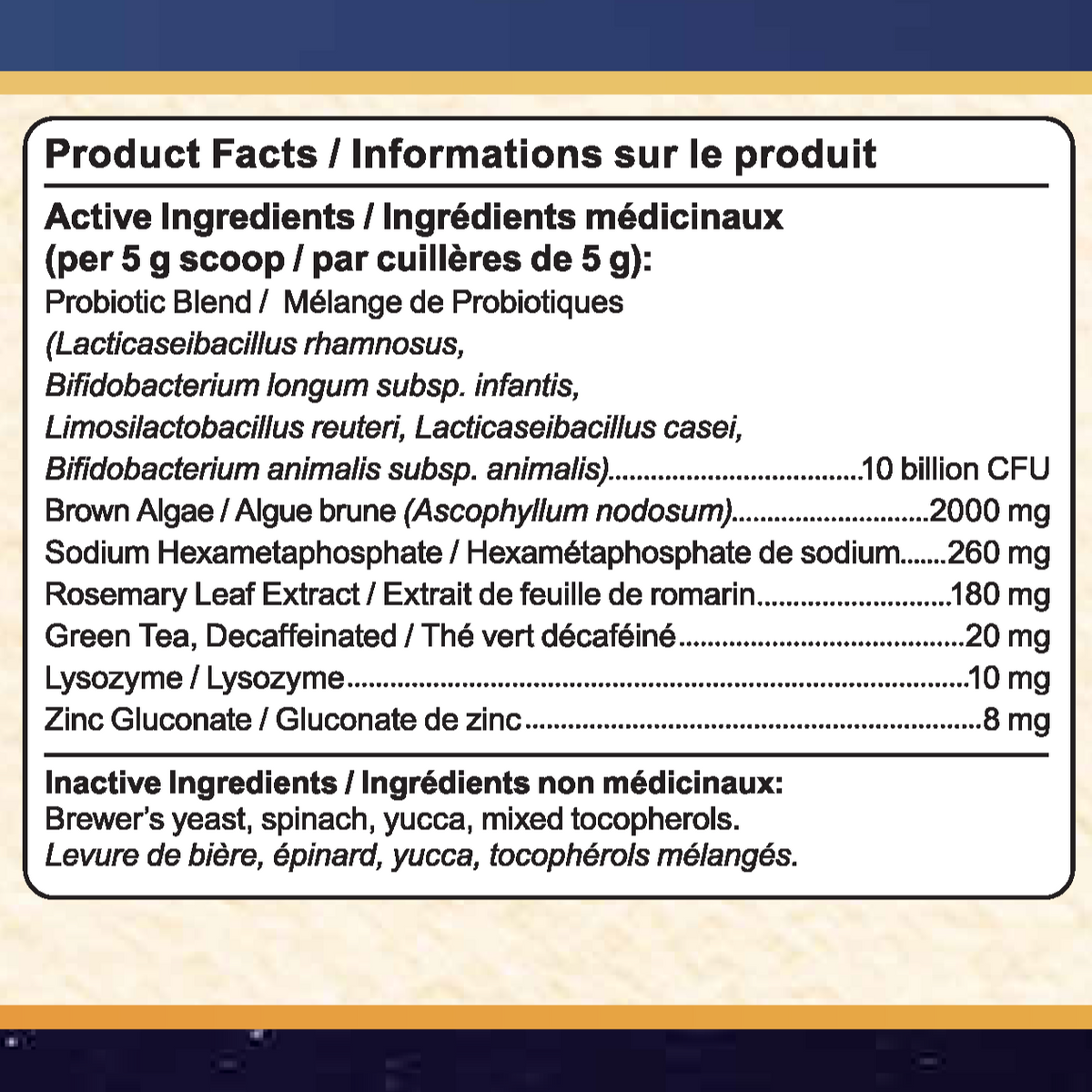
Ingredient familiarity also helps. Pet parents should not need a science degree to understand why a formula exists. Recognizable functional ingredients make the decision easier and more trustworthy.
Ease of use matters just as much. Even the best product is not very helpful if it turns into a daily struggle. Powders that mix into food and chews that feel like a treat are often easier to stick with than anything that adds stress to mealtime.
The biggest mistake pet parents make
The most common mistake is stacking too many products without a plan. It comes from a good place. You want to do right by your dog, so adding more can feel like better care. But more is not always better.
If your dog has mild stiffness, bad breath, and picky eating, that does not mean you need a shelf full of random extras. It means you should choose targeted support and introduce it thoughtfully. Start with the most obvious need, keep the routine manageable, and give it time.
Consistency is where supplements tend to earn their place. A joint chew given occasionally is less likely to support long-term mobility than one used daily as directed. The same goes for dental powders and meal toppers. A simple routine you can actually maintain beats an ambitious one that fades out after a week.
How to build a simple daily routine
The best daily routine is one that fits the life you already have with your dog. If mornings are rushed, put the supplement with breakfast. If your dog gets excited for dinner, make that the anchor point. The easier it is to remember, the more likely it becomes part of real care instead of a good intention.
For joint support, daily chews often work well because they feel rewarding and familiar. For oral care, a powder added to food can be less stressful than brushing for dogs that resist handling around the mouth. For meal support, a beef bone broth powder topper can turn ordinary food into something more appealing while keeping the process simple.
This is where focused products tend to stand out. Instead of trying to be everything at once, they solve one clear problem well. That is usually what busy pet parents need most.
What results are realistic
Supplements can help, but expectations should stay grounded. You may notice fresher breath, better mealtime enthusiasm, or improved comfort with movement over time. You should not expect overnight transformation.
Joint support usually requires patience and consistency. Dental support can help with daily maintenance, but it does not replace professional cleanings when there is significant buildup. Meal toppers can improve interest in food, but they will not solve every appetite issue if an underlying health concern is involved.
That does not make supplements less valuable. It just means the best results often look like steady, practical improvement rather than dramatic change. For most pet parents, that is exactly the goal.
When daily supplements may not be the right answer
There are times when a supplement is not the first move. If your dog suddenly stops eating, has major mobility changes, shows mouth pain, or develops severe digestive issues, it is smart to talk with your veterinarian before adding anything new.
Supplements work best as part of everyday wellness, not as a replacement for diagnosis or treatment. They are a support tool, not a guessing game.
It is also worth paying attention to your dog’s preferences. Some dogs love chews but hate powders. Others will eat anything mixed with broth but turn down tablets every time. A product can be well formulated and still be the wrong fit if your dog refuses it consistently.
Choosing daily dog supplements with confidence
If you are shopping for daily dog supplements, think less about hype and more about fit. What is the specific issue you want to support? How easy will this be to use every day? Are the ingredients clearly tied to the benefit you care about?
That approach helps cut through a crowded market fast. It also keeps your buying decisions centered on your dog’s real routine instead of broad promises.
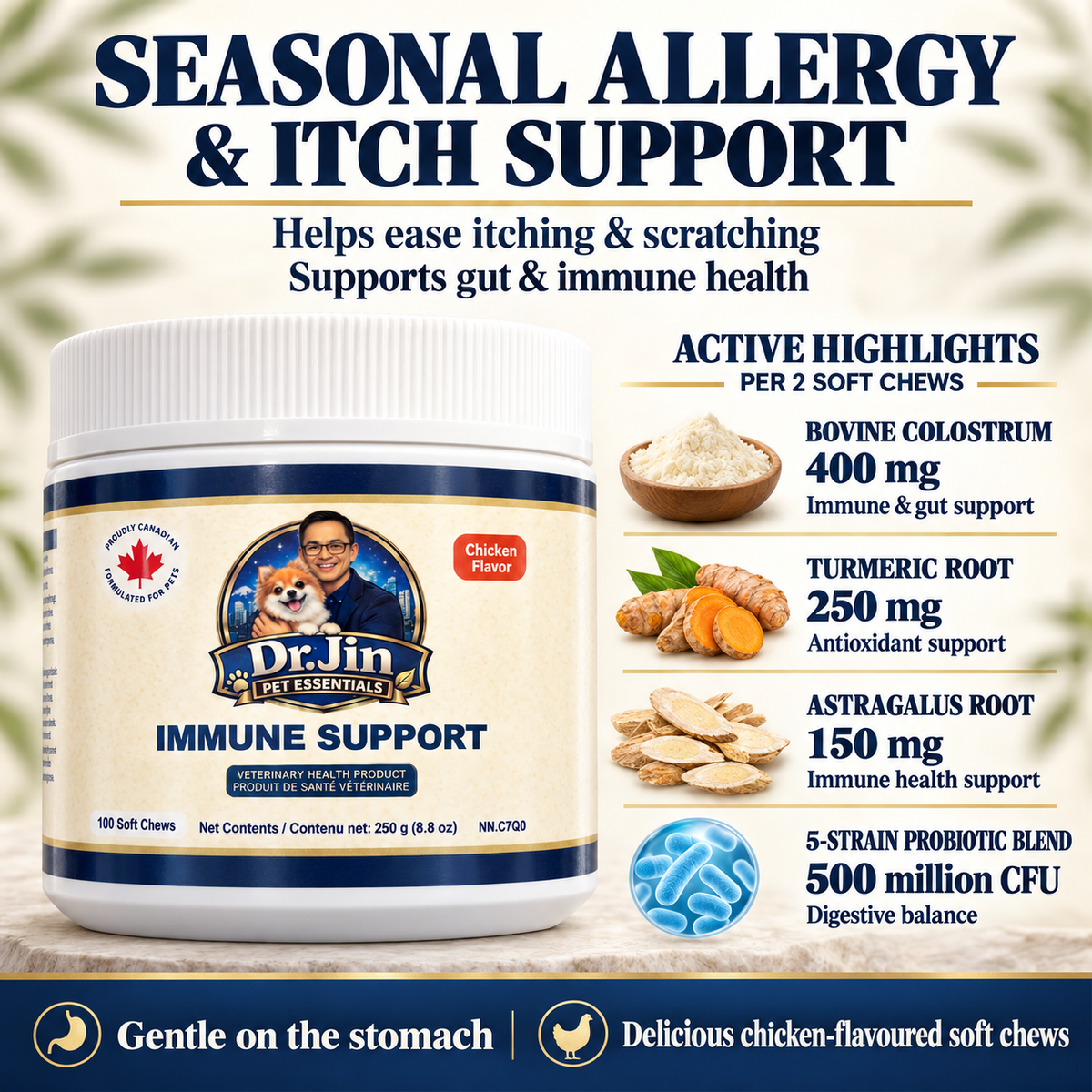
At Dr. Jin Pet Essentials, that kind of simplicity is the point. A joint chew should clearly support mobility. A dental powder should clearly support cleaner mouths and fresher breath. A bone broth topper should clearly make daily feeding easier and more enjoyable.
Daily care does not need to feel complicated to be meaningful. When the supplement matches the need and the routine feels easy enough to keep, you are much more likely to stay consistent - and your dog is much more likely to benefit from that steady care.