




How to Freshen Dog Breath Naturally
Bad dog breath usually shows up close - during a cuddle, a yawn in the car, or that happy face planted right in yours. If you are wondering how to freshen dog breath naturally, the good news is that small daily habits often make a real difference. The less fun news is that bad breath is not always just a breath problem. Sometimes it is a clue that your dog needs better oral care, a diet adjustment, or a vet check.
Why dog breath gets bad in the first place
A lot of pet parents assume bad breath is normal. A little "dog breath" can be expected, but strong, sour, fishy, or rotten-smelling breath usually points to buildup in the mouth. The most common cause is plaque and tartar. As bacteria collect on the teeth and along the gumline, the smell gets worse.
Food can play a role too. Dogs that eat fast, lick everything outdoors, raid the trash, or have food packed around their back teeth may have temporary breath issues that are more about residue than disease. Dry mouth can also make odor stronger because saliva helps wash away bacteria.
Then there is the bigger issue - sometimes breath changes are tied to health problems. Gum inflammation, infected teeth, digestive upset, and even some metabolic conditions can change how a dog's breath smells. If the odor is sudden, unusually strong, or comes with drooling, pawing at the mouth, bleeding gums, or trouble eating, natural breath freshening is not the first step. A veterinary exam is.
How to freshen dog breath naturally at home
The best natural approach is usually not one magical ingredient. It is a routine that lowers odor at the source. That means cleaning the mouth, reducing bacteria, and supporting healthier eating habits.
Start with mechanical cleaning
If you want the biggest payoff, brushing your dog's teeth matters more than almost any home remedy. It physically removes plaque before it hardens into tartar. That is what helps breath stay fresher longer, not just for an hour after a chew.
Use a dog-safe toothpaste only. Human toothpaste can contain ingredients that are not safe for dogs to swallow. If your dog resists brushing, start small. Let them lick a little toothpaste from your finger, then work up to rubbing the outer teeth and gums with a finger brush or soft dog toothbrush. Even a few short sessions a week can help.
This is one of those areas where consistency beats intensity. A perfect 10-minute brushing session once a month will not do much. A quick, calm routine done several times a week usually works better.
Add dental chews with a purpose
Chewing can help reduce surface buildup, especially when the texture encourages scraping against the teeth. Not every chew does this equally well. Soft treats that disappear in seconds may be fun, but they do not give much cleaning benefit.
Look for chews that are sized for your dog and intended for oral care. Supervision matters, especially for aggressive chewers or smaller dogs. The trade-off here is simple - some natural chews can support fresher breath, but they are still treats, so calories add up. If your dog is on a weight-management plan, a daily chew may need to replace other extras.
Use dog-safe dental powders or meal toppers
For pet parents who want the easiest routine, adding oral care support directly to meals can be a practical option. Dental powders are designed to fit into everyday feeding without turning oral care into a wrestling match. Depending on the formula, they may help reduce tartar buildup and support breath freshening over time.
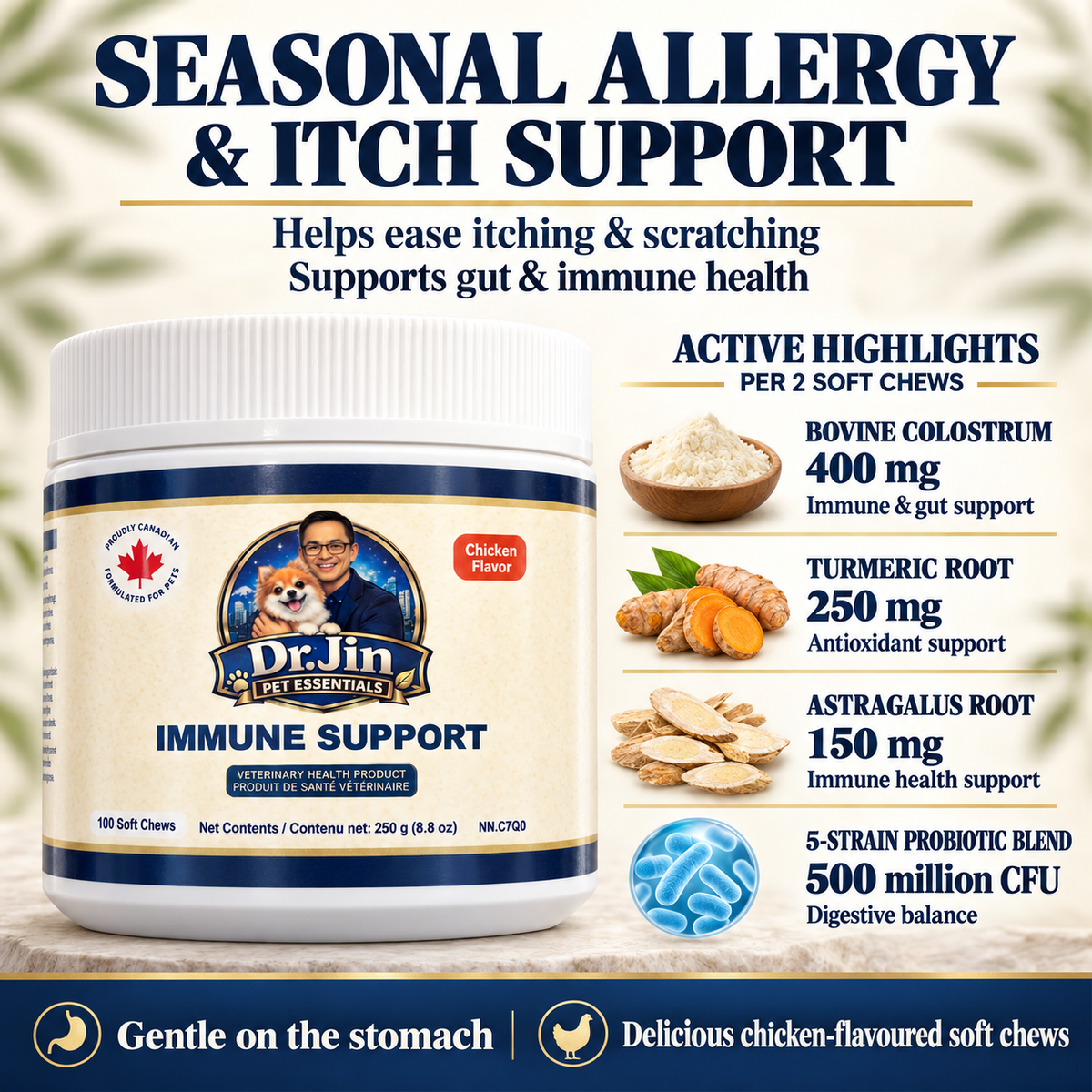
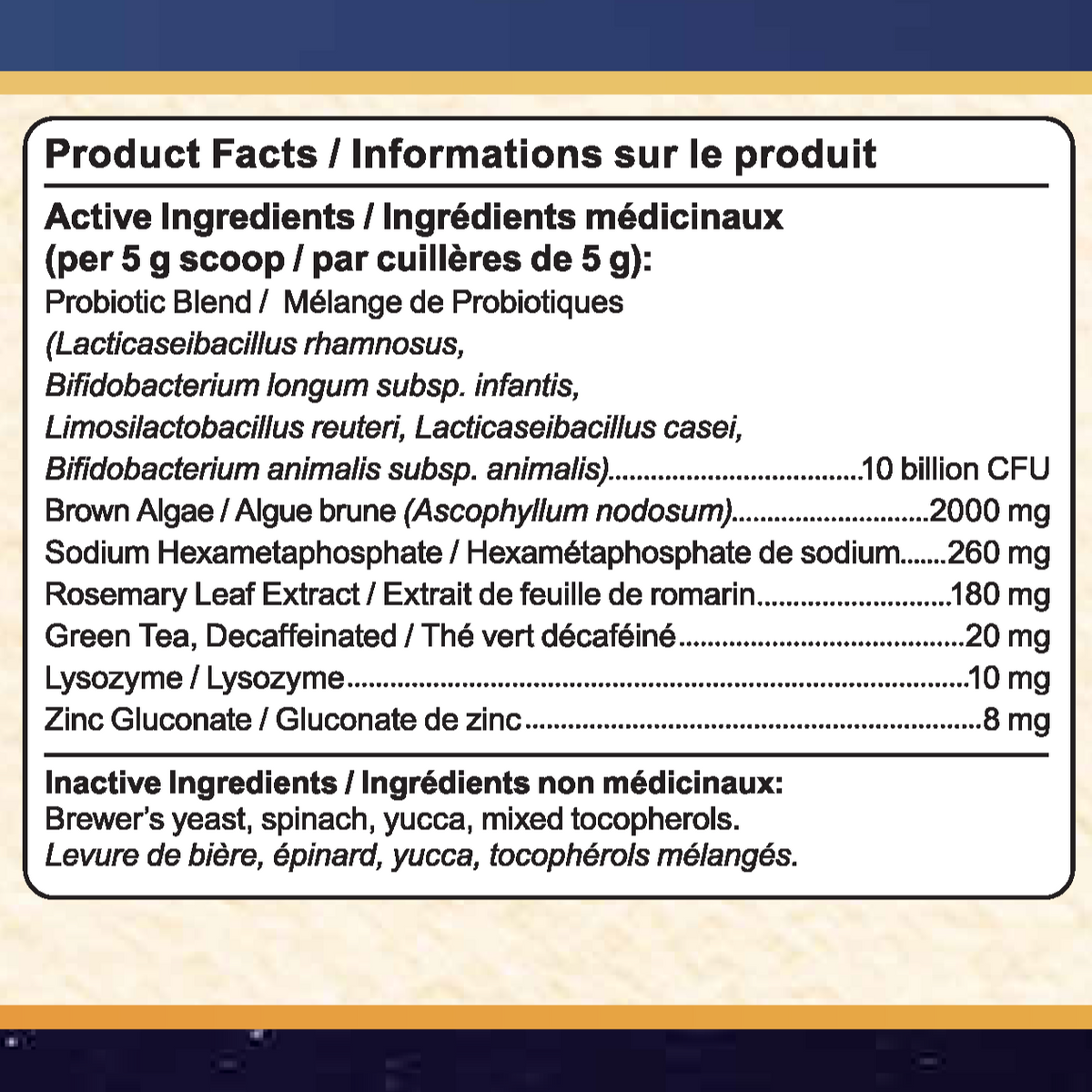
This approach is especially helpful for dogs who hate brushing or for busy owners who want something simple and repeatable. It is not a full substitute for professional dental care when a dog already has advanced tartar, but it can be a smart maintenance step. Brands like Dr. Jin Pet Essentials focus on this kind of easy daily support because the routine is what most owners can actually stick with.
Natural ingredients that may help freshen breath
There is a difference between safe natural support and random internet advice. Some ingredients are commonly used in dog wellness, while others can upset the stomach or be unsafe in the wrong amount.
Parsley is one of the better-known breath-freshening herbs for dogs. In small amounts, curly parsley is generally used to help with odor. It is not a cure for dental disease, but it may help temporarily when added to food or offered in a dog-safe treat. Skip large amounts, and avoid essential oils or concentrated herbal drops unless your vet recommends them.
Mint gets mentioned a lot, but this is where caution matters. Fresh mint in tiny amounts may be tolerated by some dogs, yet many mint products made for humans contain sweeteners or additives that are unsafe. Xylitol is a serious risk. So while mint sounds fresh, dog-specific products are safer than improvising with people food.
Coconut oil is another common suggestion. Some owners like rubbing a small amount on a toothbrush or adding a little to food. It may help with mouth feel and offers an easy texture for brushing, but it is calorie-dense and can upset some dogs' digestion. It is more of a supporting tool than a proven fix.
Fresh, crunchy dog-safe vegetables like carrots can also help a little by encouraging chewing and reducing food debris. The effect is modest, but for dogs that enjoy them, they can be a helpful add-on. Think of carrots as support, not dental treatment.
Feeding habits that can improve breath
Sometimes fresher breath starts with what happens at mealtime. Dogs with sticky food around their molars, frequent table scraps, or low-interest chewing habits may develop more odor simply because residue sits in the mouth longer.
Offering clean water at all times helps more than people think. Hydration supports saliva production, and saliva naturally helps clean the mouth. If your dog is not drinking much, try washing bowls more often, refreshing the water more frequently, or using a second bowl in another room.
Meal toppers can be useful when they improve consistency in feeding and support better daily wellness habits. The key is choosing products with a clear function instead of adding random extras. A focused oral care powder is often more helpful than cycling through homemade ideas that are hard to measure or maintain.
It can also help to limit odor-driving treats. Dried fish snacks, greasy table scraps, and anything that lingers in the mouth can make breath worse fast. That does not mean your dog can never enjoy treats. It just means the everyday routine should support oral health instead of working against it.
When natural breath freshening is not enough
How to freshen dog breath naturally - and when to call the vet
Natural support works best for mild odor and routine maintenance. If your dog already has heavy tartar, red gums, loose teeth, facial swelling, or obvious pain, you are dealing with more than breath. Home care can help prevent future buildup, but it will not reverse serious dental disease.
You should also pay attention to the type of smell. Sweet or fruity breath, ammonia-like breath, or a metallic odor can signal issues beyond the mouth. Digestive trouble, kidney concerns, or blood sugar problems are not things to guess at with herbs and chews.
A professional dental cleaning may be the reset your dog needs. After that, natural maintenance makes much more sense because you are working with a cleaner baseline. This is often the sweet spot - use veterinary care for established problems, then use daily habits to help keep breath fresher between visits.
A simple routine most dog owners can maintain
The best natural breath routine is the one that fits real life. For one dog, that might mean brushing three times a week and using a dental powder daily. For another, it might be a dental chew after dinner, fresh water habits, and regular mouth checks because brushing is a struggle.
You do not need a complicated checklist. What helps most is combining one direct cleaning habit with one easy daily support. That gives you both immediate action and a routine that is easier to keep going.
If your dog's breath has been mildly unpleasant but otherwise stable, start there. Brush when you can. Use dog-safe products. Keep water fresh. Choose oral care options that are simple enough to become part of feeding, not another task you dread.
A fresher mouth usually starts with less buildup, less guesswork, and a routine your dog will actually tolerate. That is what makes the natural approach work.