




How to Support Senior Dog Joints Daily
The change usually starts small. Your dog hesitates before jumping on the couch, takes longer to stand after a nap, or seems less excited about stairs. If you are wondering how to support senior dog joints, the good news is that daily habits can make a real difference - and they do not have to be complicated.
Aging joints need consistency more than intensity. Most older dogs do best with a routine that supports mobility from a few angles at once: healthy weight, steady movement, supportive nutrition, and a home setup that is easier on the body. You do not need a perfect plan. You need one your dog can stick with.
How to Support Senior Dog Joints at Home
Joint support starts with noticing what has changed. Some senior dogs slow down because of normal age-related wear. Others are dealing with stiffness, inflammation, muscle loss, or reduced confidence after slipping or struggling to get up. The same symptom - moving slower - can come from different causes, which is why a one-size-fits-all fix rarely works.
At home, the goal is to lower strain and build comfort into your dogs day. That might mean swapping high-impact play for gentler walks, adding traction to slick floors, or making mealtime more supportive with targeted supplements and nutrient-rich toppers. Small adjustments add up because your dog feels them every day.
One of the most effective changes is reducing unnecessary jumping. Beds, couches, and car rides can be hard on aging hips and knees, especially for smaller dogs who leap up and down often. A ramp or low step can help, but only if your dog will actually use it. Some dogs take to ramps right away, while others need a little practice and encouragement.
Flooring matters more than many owners realize. Hardwood and tile can make senior dogs tense up because they do not trust their footing. When a dog slips, even once, they may start moving more cautiously, which can lead to less activity and weaker muscles over time. Rugs, runners, or traction mats in the spots they use most often can help them move more naturally.
Weight Management Is Joint Support
If there is one area that delivers outsized results, it is weight. Even a few extra pounds can put added pressure on aging joints. For a senior dog, that extra load shows up in the everyday moments - standing, turning, climbing, and settling down.
This is also where many loving pet parents get tripped up. When a dog seems slower or achier, treats often become a comfort habit. There is nothing wrong with wanting to spoil your dog, but calories still count. Supporting joints sometimes means giving a little less, not a little more.
A lean senior dog usually moves more easily than an overweight one, even when both have similar age-related joint changes. That does not mean your dog needs to be thin or underfed. It means keeping body condition in a healthy range so the joints are not carrying more than they need to. If you cannot easily feel your dogs ribs under a light layer of tissue, it may be worth taking a closer look at portion size and snack frequency.
Food can help here in two ways. First, a measured feeding routine prevents gradual overfeeding. Second, functional add-ons can support wellness without making daily care feel complicated. A simple meal topper or joint chew is often easier for owners to stay consistent with than a more involved regimen.
Movement Helps - But the Right Kind
Senior dogs still need exercise. In fact, avoiding movement altogether can make stiffness worse. Joints benefit from regular use, and muscles play a major role in supporting the body around them. The trick is choosing exercise that keeps your dog active without pushing them into soreness.
For most older dogs, shorter and more frequent walks work better than one long outing. A brisk 45-minute walk may be too much, while two or three gentle 10- to 15-minute walks can feel great. You are looking for steady motion, not exhaustion.
Watch how your dog moves later the same day and the next morning. If they seem unusually tired, reluctant to rise, or more stiff after activity, scale back. If they loosen up during the walk and settle comfortably afterward, you are probably in a good range.
Play may need adjusting too. Chasing balls with sudden stops and sharp turns can be tough on senior joints. Sniff walks, slower games, light tug, and controlled fetch on soft ground are often better options. Swimming can be helpful for some dogs, but it depends on confidence, access, and overall health. Not every senior dog enjoys water, and that is fine.
Nutrition That Supports Aging Joints
When people ask how to support senior dog joints, nutrition is usually high on the list - and for good reason. Food and supplements cannot reverse aging, but they can support comfort, mobility, and joint function as part of a daily routine.
Look for ingredients with a clear purpose. Glucosamine and chondroitin are widely used for joint support. MSM is often included to support connective tissue and comfort. Collagen can be a useful addition for dogs who benefit from extra structural support. These are familiar ingredients because they fit the goal: helping maintain healthy joints and mobility over time.
Bone broth can also be a practical add-on, especially for dogs who need a little encouragement at mealtime. It is an easy way to make food more appealing while adding a wellness-focused boost to the bowl. For picky senior dogs or dogs who eat less enthusiastically than they used to, convenience matters. If a product is easy to sprinkle, mix, or serve daily, you are more likely to keep using it.
That consistency is what really counts. A joint chew given once in a while will not do much. A daily routine built around targeted support is more realistic and more useful. This is one area where a focused, benefit-driven product can help simplify care rather than add another task.
How to Support Senior Dog Joints With Better Daily Routines
Senior dogs thrive on predictability, especially when their bodies feel less flexible than they once did. Getting up at the same times, walking on a familiar schedule, and eating meals consistently can reduce stress and make movement easier to manage.
Comfort is part of the routine too. An orthopedic bed or supportive resting spot helps reduce pressure on hips, elbows, and shoulders. Some dogs prefer a firmer surface that is easier to rise from, while others love deep cushioning. It depends on the dog, which is why watching what they choose matters.
Temperature can make a difference as well. Many older dogs seem stiffer in cold weather or after sleeping in a drafty area. Keeping their sleeping space warm and away from cold floors may help them feel better, especially in the morning.
Grooming deserves a mention here because overgrown nails can quietly change how a dog stands and walks. When nails get too long, they affect posture and traction, which can add strain to joints. Keeping nails trimmed is simple, but it supports movement more than many owners expect.
When to Talk to Your Vet
Some slowing down is common with age, but some signs deserve prompt attention. If your dog suddenly refuses stairs, cries out, limps, stops putting weight on a leg, or seems significantly less active than usual, it is time for a veterinary check. A noticeable change in mobility is not something to just wait out.
Even milder stiffness is worth discussing at your dogs regular visit. Your vet can help identify whether the issue looks like joint aging, an injury, or another health concern that affects movement. That matters because the best support plan depends on the cause. What helps a mildly stiff senior may not be enough for a dog with more advanced discomfort.
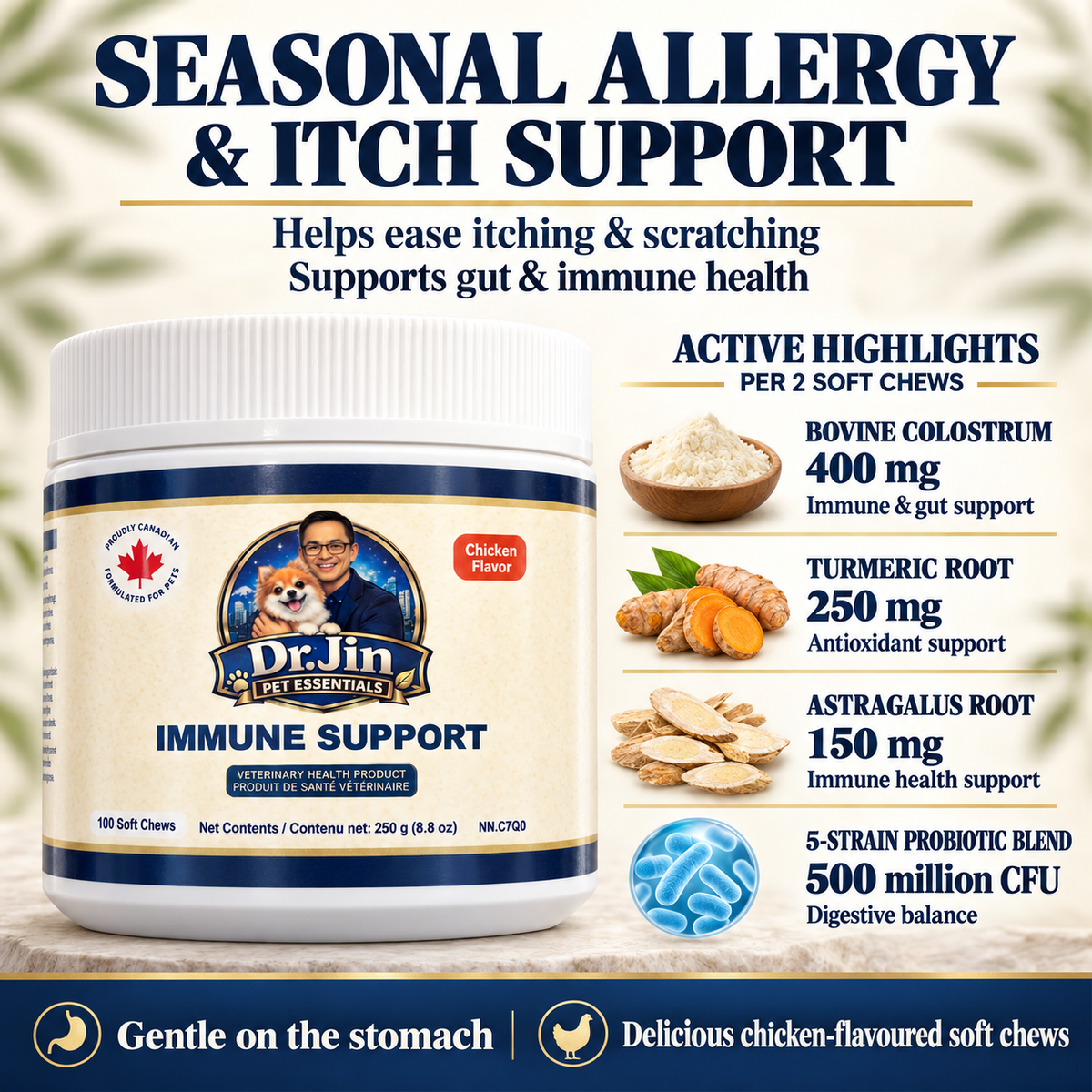
A good plan often combines veterinary guidance with practical home support. That is where simple products and routines can really shine. For many pet parents, the easiest way to stay on track is to build joint support into everyday feeding rather than treating it like a separate project. That is the idea behind wellness-focused routines from brands like Dr. Jin Pet Essentials - support that feels easy to keep up with.
There is no single perfect answer for every dog. Some seniors need mostly weight support and traction. Others benefit from daily joint ingredients, gentler exercise, and a few smart changes around the house. Start with what your dog shows you, stay consistent, and give the little things time to work. Your dog does not need a complicated routine to feel more comfortable - just thoughtful care that meets them where they are now.