




How to Use Dog Toppers the Right Way
Some dogs inhale dinner. Others stare at the bowl like you served them a personal insult. If you have a picky eater, a senior dog with a fading appetite, or a dog who could use a little extra daily support, learning how to use dog toppers can make mealtime easier without turning feeding into a daily negotiation.
Dog toppers are meant to improve what is already in the bowl. They can add flavor, encourage better eating, and in some cases provide functional benefits like joint support, digestive support, or better hydration appeal. The key is using them with a clear purpose instead of treating them like a random extra.
What dog toppers actually do
A dog topper is any add-on mixed into or sprinkled over your dog's food to make the meal more appealing or more functional. Some are mostly about taste, like broth powders or freeze-dried proteins. Others are designed with a health goal in mind, such as added collagen, joint-support ingredients, or oral care support.
That distinction matters. If your dog is healthy and simply bored with kibble, a flavor-forward topper may be enough. If your dog is aging, slowing down, or needs support in a specific area, a functional topper may make more sense. The best choice depends on what problem you are trying to solve.
How to use dog toppers without overdoing it
The simplest way to use a topper is to start small and mix it thoroughly into your dog's regular food. A light sprinkle or a small measured amount is usually better than a heavy layer on day one. That gives your dog time to adjust to the smell, taste, and texture.
If the topper is powder-based, mixing it into dry food works for some dogs, but many respond better when you add a little warm water first. This helps distribute the topper evenly and creates a more appetizing coating. Bone broth powders are especially useful this way because they can turn a plain bowl of kibble into something much more aromatic.
Portion control is where many owners get tripped up. A topper should support the meal, not quietly double it. If the product adds meaningful calories, account for that in the daily feeding amount. If it is concentrated and functional, follow the serving guidance instead of assuming more is better. Dogs do best with consistency, not excess.
Start with one reason
Before you add anything to the bowl, decide what you want the topper to do. You might want your dog to finish meals more consistently. You might want to add a little excitement to dry food. Or you may be trying to build a simple wellness routine around mobility, nutrition, or dental care.
When you start with one reason, shopping gets easier and results are easier to notice. If you introduce three different meal add-ons at once, it becomes hard to tell what your dog likes and what is actually helping.
Match the topper to your dog's routine
A topper needs to fit your real life. If you want something you can use every day, convenience matters. Powders and dry toppers are often easier to measure, store, and serve than refrigerated add-ons, especially if you are feeding on a tight morning schedule.
This is one reason many pet parents prefer wellness products that fold directly into mealtime. A simple scoop, sprinkle, or stir is easier to stick with than a complicated routine. And when better care feels manageable, you are more likely to keep doing it.
When to use dog toppers
Dog toppers can be helpful during appetite dips, transitions to a new food, seasonal routine changes, or as part of a long-term wellness plan. They are especially useful for dogs who need a little encouragement at mealtime but do not need a full diet overhaul.
They can also help with life stage changes. Older dogs often become more selective about food, and some small dogs are famously particular. A flavorful topper can make meals more enticing without requiring you to switch foods every few weeks.
There is a trade-off, though. If your dog starts refusing meals unless a topper is added, you may have trained them to hold out for the upgrade. That does not mean toppers are a bad idea. It just means they should be part of a feeding plan, not a bargaining chip you bring in only after a standoff.
Choosing the right type of topper
Not all toppers work the same way, and that is where a little label reading pays off.
Flavor toppers are best for picky eating and meal excitement. These are often made from broth, meat, or dehydrated ingredients that improve aroma and taste quickly. They are useful if your dog eats inconsistently but otherwise does well.
Functional toppers are built around a benefit. You might see ingredients aimed at joint support, skin and coat health, digestive balance, or oral wellness. These can be a smart fit if you want a daily add-on that does more than make food smell better.
Multi-use meal enhancers sit somewhere in the middle. A bone broth powder, for example, can boost flavor while adding a more nourishing feel to the bowl. For many households, that balance is ideal because it supports better eating without overcomplicating the routine.
Look for straightforward benefits
The best topper is not the one with the longest ingredient panel or the loudest claims. It is the one that clearly matches your dog's need and tells you how to use it. Clear serving directions, recognizable ingredients, and an easy feeding format matter more than trendy packaging.
For a lot of pet parents, this is where focused wellness products stand out. If a topper is positioned around meal enhancement, mobility support, or another specific outcome, it is easier to decide whether it belongs in your dog's bowl.
How to introduce a topper safely
Any time you add something new to your dog's diet, go gradually. Start with less than the full suggested amount for the first few days and watch for changes in stool, appetite, or enthusiasm. Even a good product can be too much too fast if your dog has a sensitive stomach.
Consistency helps here. Use the topper the same way for several meals before deciding whether it is working. One serving rarely tells you much. Some dogs need a few days to warm up to a new smell or texture, while others love it right away.
If your dog has medical conditions, severe food sensitivities, or is on a prescribed diet, it is smart to check with your veterinarian before adding anything new. That is not about making feeding complicated. It is about making sure your dog's routine stays supportive and appropriate.
Common mistakes to avoid
The biggest mistake is using toppers to cover up a bigger issue. If your dog suddenly stops eating, loses weight, vomits, or seems lethargic, a tastier bowl is not the first fix. Appetite changes can signal health concerns that need attention.
Another common issue is rotating too many toppers too often. Variety sounds fun, but frequent switching can make it harder to know what your dog tolerates best. It can also create an expectation that every meal should be different.
And then there is overfeeding by accident. A little extra here and there adds up, especially for small dogs. If your dog is gaining weight, look beyond treats. Toppers, chews, and meal add-ons all count toward the daily total.
Making toppers part of a simple wellness routine
The most effective feeding routines are the ones you can repeat without thinking too hard. That is why dog toppers work best when they solve one clear problem and fit naturally into the bowl you are already serving.
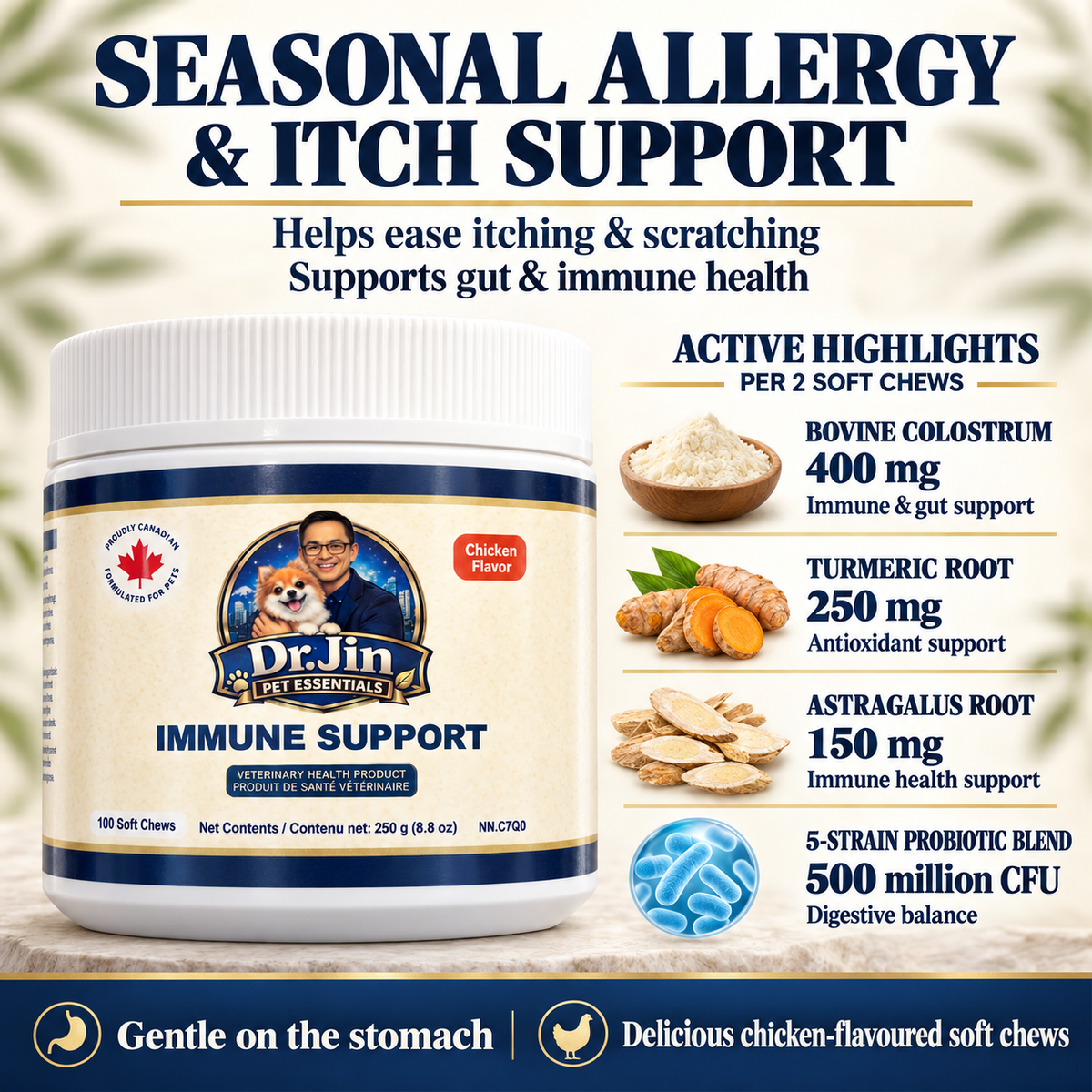
If your goal is better meal enthusiasm, choose a topper with strong flavor appeal. If your goal is everyday support, look for one with a direct functional benefit and easy serving instructions. Brands like Dr. Jin Pet Essentials build around that kind of simplicity, which is exactly what many busy pet parents want - products that make daily care easier to follow through on.
A good topper should make feeding feel more doable, not more complicated. Start small, stay consistent, and pay attention to how your dog responds. Sometimes the best improvement to your dog's routine is not a full reset. It is one smart addition that makes the bowl easier to love.