




Best Dog Supplements for Bad Breath
If your dog’s breath has gone from normal dog smell to clear-the-room bad, a minty treat usually is not the fix. The best dog supplements for bad breath are the ones that address what is actually causing the odor - usually plaque, tartar, bacteria, or food debris sitting on the teeth and gums day after day.
That is why breath support works best when it is part of a simple daily routine, not a one-time freshening trick. A good supplement should fit easily into feeding, target oral buildup, and make it realistic for pet parents to stay consistent.
What causes bad breath in dogs?
Bad breath in dogs is often a dental hygiene problem first. As plaque builds up, bacteria feed on it and create the unpleasant odor you notice during kisses, yawns, or close cuddle time. If that buildup hardens into tartar, the smell usually gets worse and can be harder to manage with basic brushing alone.
Food can also play a role. Dogs that eat quickly, lick everything in sight, or leave bits of wet food around the mouth can end up with lingering odor that keeps returning. Some dogs are simply more prone to dental buildup, especially smaller breeds and dogs that are not thrilled about toothbrushes.
There is also an important line to draw here. Mild to moderate bad breath often points to oral hygiene needs, but very strong, sudden, or unusual breath can be a sign of something bigger. If your dog also has drooling, bleeding gums, trouble eating, vomiting, or a major change in appetite, it makes sense to check with your veterinarian instead of relying on supplements alone.
What makes the best dog supplements for bad breath work?
The most useful supplements do more than cover odor. They help reduce the source of the smell by supporting a cleaner mouth over time. That usually means ingredients aimed at tartar control, plaque reduction, and oral bacteria balance.
Dental powders are one of the easiest formats because they can be added directly to food. For many busy dog owners, that matters. If a product turns oral care into a daily feeding habit, it is much more likely to get used consistently than a complicated routine with multiple steps.
Chews can also help, especially if the dog enjoys them and the texture encourages mechanical cleaning. The trade-off is that some chews are really closer to treats than targeted oral supplements. If the ingredient panel is vague or the main promise is just fresh breath, the results may be short-lived.
Water additives are another option, but they depend on your dog tolerating the taste. Some dogs drink less when their water smells different, which defeats the purpose. Powders and chews are often more reliable because you can pair them with meals your dog already looks forward to.
Ingredients worth looking for
When comparing the best dog supplements for bad breath, look for formulas that are clear about their purpose and practical about daily use. Ingredient quality matters, but so does whether the product actually matches the problem.
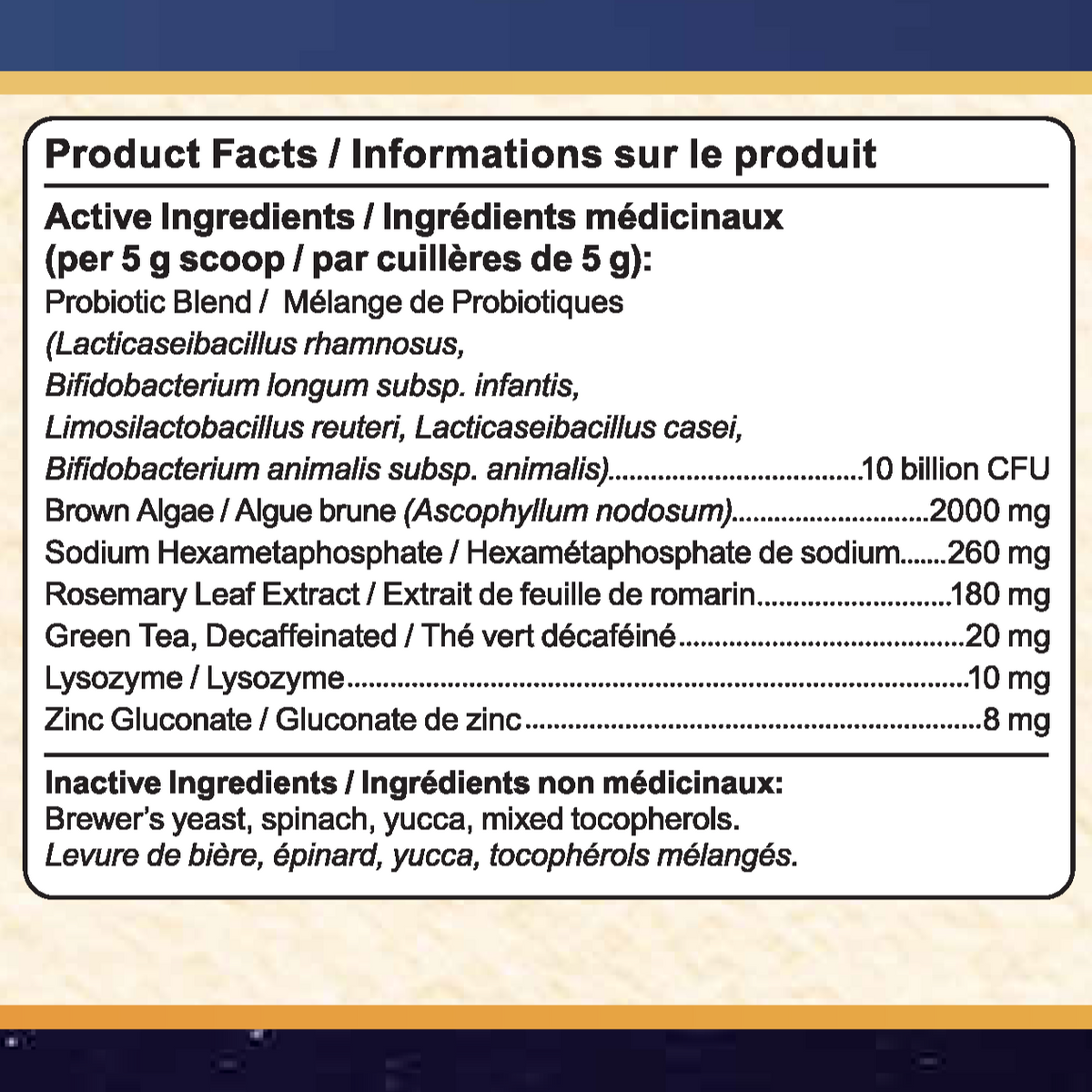
Seaweed-based dental ingredients are popular in oral care because they are often used to help soften tartar buildup and support cleaner teeth over time. These are especially appealing for dogs that resist brushing, since the supplement can work through daily feeding rather than direct brushing alone.
Enzymes can also be helpful in some formulas. They support the breakdown of debris and may help create a less friendly environment for odor-causing buildup. If your dog’s breath seems tied to lingering food residue, enzyme support can be a smart addition.
Herbs and breath-freshening ingredients have their place, but they should not be the whole strategy. Parsley or mint may make a formula smell nice, yet they do not solve tartar on their own. Think of them as a bonus, not the main reason to buy.
The best products are also easy to identify by benefit. If the label clearly says it is designed for tartar and bad breath support, that is more useful than a general wellness blend that only mentions dental care in passing.
How to choose the right supplement for your dog
Start with your dog’s routine, not just the ingredient list. A technically good product still will not help much if your dog refuses it or if using it feels like a chore every day.
For picky dogs, a meal-topper format is often the easiest entry point. A powder that mixes into food can be more convenient than trying to negotiate with a chew your dog may reject. This is especially true for small dogs, seniors, and dogs that do better with softer food routines.
If your dog loves chews and already has a treat routine, a dental chew supplement may fit naturally. Just check the calories, texture, and ingredient purpose. You want oral support, not just a snack with a dental-looking label.
It also helps to think about severity. If your dog has mild bad breath but otherwise healthy-looking teeth, a daily supplement may be enough to improve things over time. If there is visible tartar, red gums, or long-standing odor, supplements can still help, but they may work best alongside a professional dental cleaning plan.
Signs a supplement is actually helping
Bad breath support is usually gradual. You are not always looking for an overnight minty effect. A better sign is that your dog’s mouth smells less intense after a couple of weeks of consistent use and that the odor does not bounce right back after meals.
You may also notice less visible buildup along the gumline, cleaner-looking teeth, or less morning breath. These changes tend to happen with steady use, not random use. If you skip days often, it becomes harder to tell whether the formula is doing its job.
It is worth setting realistic expectations too. Supplements can support cleaner breath and better daily oral hygiene, but they are not a substitute for veterinary care when there is advanced dental disease. The goal is support, maintenance, and making prevention easier.
Common mistakes when shopping for bad breath supplements
One common mistake is choosing based only on flavor or marketing words like fresh. Breath odor is usually linked to buildup, so products should focus on oral health outcomes, not just scent.
Another is buying a formula that is difficult to use every day. The best supplement on paper can become the wrong supplement in real life if it adds friction to feeding. Convenience matters because consistency matters.
Pet parents also sometimes expect one product to fix every cause of bad breath. But it depends on the dog. If the issue is mostly plaque and tartar, a targeted dental powder can make sense. If there are gum issues, digestive problems, or an underlying health concern, you may need a broader care plan.
A simple daily approach tends to work best
For most households, oral care improves when it becomes part of something you already do every day. That is why many pet owners prefer a supplement that can be sprinkled onto meals instead of adding another separate task to remember.
A focused dental powder can be a strong fit here because it keeps the routine simple while targeting tartar and bad breath at the same time. Brands like Dr. Jin Pet Essentials build around that kind of practical use case - straightforward support, clear purpose, and an easy fit with everyday feeding.
That simplicity is not just convenient. It is often what makes preventive care stick. And when a routine is easy to keep up with, your dog is more likely to get the steady support that leads to fresher breath over time.
When supplements are a good fit
Supplements are a smart option when your dog has mild to moderate bad breath, struggles with brushing, or needs extra support between cleanings. They are also useful for pet parents who want to stay ahead of tartar buildup before it turns into a bigger issue.
They are less of a standalone solution when breath is suddenly much worse, the gums look inflamed, or your dog seems uncomfortable eating. In those cases, the right next step is not a stronger supplement. It is getting clarity on what is happening in the mouth first.
Fresh breath is nice, but the bigger win is a cleaner, healthier oral care routine that feels manageable every day. Choose a supplement that matches your dog’s needs, fits your feeding habits, and focuses on the source of the smell - because the easiest routine to stick with is usually the one that makes the biggest difference.