




How to Add Supplements to Dog Food
The easiest way to get a dog to refuse a supplement is to make mealtime feel suspicious. If you're wondering how to add supplements to dog food without turning dinner into a standoff, the goal is simple: keep it easy, keep it consistent, and match the supplement to your dog's routine.
Some dogs will eat anything you put in the bowl. Others notice one new grain of powder and walk away. That is why the best approach is not just about what you add, but how you add it. Texture, smell, portion size, and timing all matter.
How to add supplements to dog food without upsetting the routine
Start with your dog's normal meal. That sounds obvious, but it matters. Dogs do best when the base meal stays familiar and the supplement becomes a small, predictable part of it.
If you're using a powder, sprinkle it evenly over the food instead of dumping it into one spot. A concentrated pile can create a strong smell or taste in the first bite, which is often enough for a picky dog to back off. If the food is dry, adding a small amount of warm water or bone broth can help the powder cling to the kibble and improve palatability.
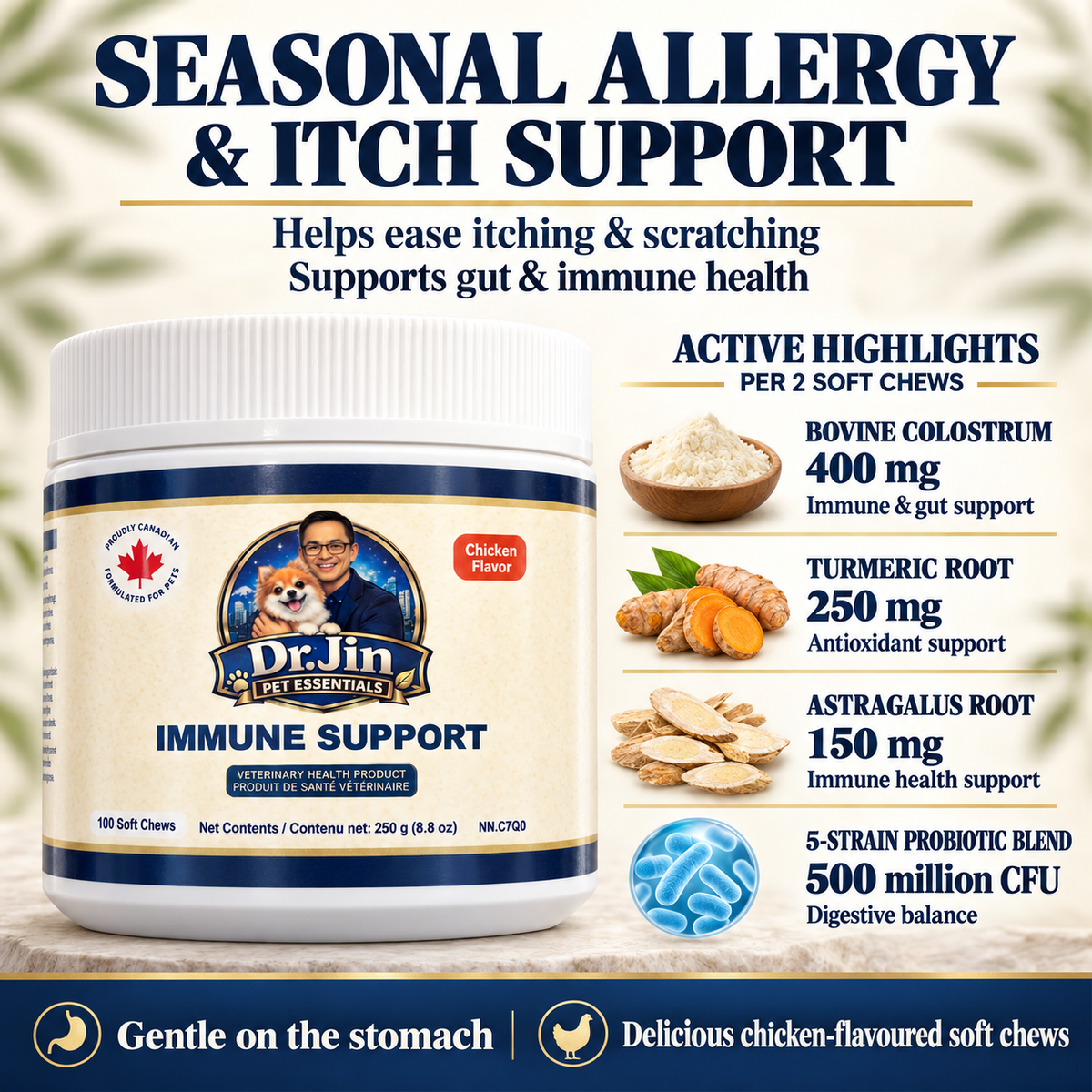
If you're using a chew, you have more flexibility. Some dogs treat it like a reward and happily eat it on its own. Others do better when the chew is given right before or right after meals as part of the same routine. The main thing is consistency. A supplement works best when it becomes a habit, not an occasional extra.
Start with a small amount if your dog is sensitive or cautious with new flavors. Even when a product is designed for daily use, easing in can help avoid digestive upset and reduce the chance that your dog rejects the food because the change feels too sudden.
Pick the supplement format that fits your dog
Not every dog responds the same way to powders, chews, and meal toppers. A lot of frustration disappears when the format actually matches the dog's eating style.
Powders are great for dogs who already finish their bowls and do not mind a little extra smell or flavor. They can be especially convenient for dental support or nutritional add-ons because they disappear into the meal with very little effort. They also make it easy to support a daily routine without adding a separate treat.
Meal toppers work well for dogs who need a little excitement at mealtime. If your dog is bored with plain kibble, a flavorful topper can make dinner more appealing while also adding a specific benefit, such as nutritional enhancement or hydration support.
Chews are often the easiest choice for joint support or daily functional wellness because they feel familiar to pet parents. They are pre-portioned, easy to store, and simple to offer at the same time every day. That said, some dogs are selective about texture, especially senior dogs or extra-small breeds, so the easiest format on paper is not always the easiest one in practice.
Match the supplement to the benefit you want
It helps to be clear about why you're adding something in the first place. If the goal is mobility, look for ingredients commonly associated with joint support, such as glucosamine, chondroitin, MSM, and collagen. If the issue is bad breath or visible tartar, a dental powder may fit more naturally into the feeding routine than a brushing battle your dog hates. If your dog needs a boost in meal appeal, a bone broth powder topper can support better enthusiasm at the bowl while also adding flavor.
This matters because adding too many products at once can create confusion. If your dog suddenly seems less interested in food or has a loose stool, you will not know what caused it. A more practical approach is to introduce one new supplement at a time, give it a fair trial, and see how your dog responds.
Benefits can take time, especially with joint support. A fresher-smelling mouth may be noticed fairly quickly, but mobility products often need steady daily use before you can judge the difference. That does not mean the product is not working. It means expectations should match the category.
Best ways to mix supplements into meals
For dry kibble, moisture is your friend. A little warm water softens the surface and helps powders stick instead of settling at the bottom of the bowl. Bone broth powder mixed with water can also create a light gravy effect that makes the whole meal smell more inviting.
For wet food, mixing is easier, but thoroughness still matters. Stir the supplement through the full portion so your dog does not hit an intense pocket of flavor. If you only spread it across the top, many dogs will eat around the altered section.
For small dogs, precise mixing is especially important. A tiny bowl gives you less room to hide texture changes, and extra-small dogs can be more sensitive to strong flavors. In those cases, less is usually better at first. Start small, mix well, and build up to the full serving as directed.
If your dog free-feeds, supplements become trickier. Products that sit in the bowl for hours may lose appeal, and moisture-based mixing methods are less practical. For those dogs, a chew or a measured serving offered during a defined meal window may be the easier choice.
What to avoid when adding supplements
One common mistake is changing everything at once. New food, new treats, new supplement, new feeding schedule - that is a lot for a dog's stomach and a lot for you to track. Keep the rest of the routine stable when introducing something new.
Another issue is over-supplementing. More is not better. If a product has a clearly labeled serving amount, follow it. Doubling up because you want faster results can backfire, especially with digestive tolerance. This is also why combining several supplements with overlapping ingredients deserves a closer look.
You also want to watch for hidden refusal. Some dogs do not outright reject the bowl. They eat half, lick around the edges, or leave sediment behind. If that keeps happening, the supplement may need better mixing, a smaller starting amount, or a different format.
Finally, do not force the issue if your dog strongly dislikes the delivery method. A wellness routine only works when it is realistic to maintain. If powder in food creates daily friction, a chew may be the better answer. If your dog is suspicious of chews but loves dinner, a topper may be the smoother fit.
How to add supplements to dog food for picky eaters
Picky eaters need a softer introduction. Start with a partial serving mixed into a favorite meal, not a brand-new food. Familiarity helps. If your dog already likes savory flavors, a beefy topper or broth-style addition usually goes over better than a bland powder with a chalky texture.
Temperature can help too. Slightly warming the food releases aroma, which often makes the meal more appealing. Just keep it mild, not hot. The goal is to enhance smell, not cook the supplement or make the bowl unpleasant.
For very cautious dogs, let them investigate the new smell before expecting a full serving. One or two transition meals can make a real difference. You are trying to build trust, not win one meal.
When to ask your vet first
For a healthy adult dog using a well-made daily wellness product as directed, adding a supplement is usually straightforward. Still, there are cases where it makes sense to check with your vet first.
If your dog has a medical condition, takes prescription medication, has a history of digestive sensitivity, or is on a specialized diet, get professional guidance before introducing something new. The same goes for puppies, pregnant dogs, or seniors with more complex health needs. Preventive care should feel simple, but simple does not mean one-size-fits-all.
A good rule is this: if your goal is general support, routine integration matters most. If your goal is managing a diagnosed issue, your vet should help guide the plan.
Make daily use feel easy
The best supplement routine is the one you can keep up with on ordinary days. Not just when you have extra time. Keep the product near the food area, use the same scoop or serving routine each day, and tie it to a meal your dog rarely skips.
That is why practical formats tend to work best. A dental powder that blends into breakfast, a joint chew given after dinner, or a bone broth topper that makes kibble more appealing can feel less like a project and more like normal care. Dr. Jin Pet Essentials builds around that idea - targeted support that fits into the routine you already have.
If your dog eats well, tolerates the product, and you can stay consistent, you are doing it right. Better wellness does not need to be complicated. Sometimes it just starts with making the bowl a little smarter.