





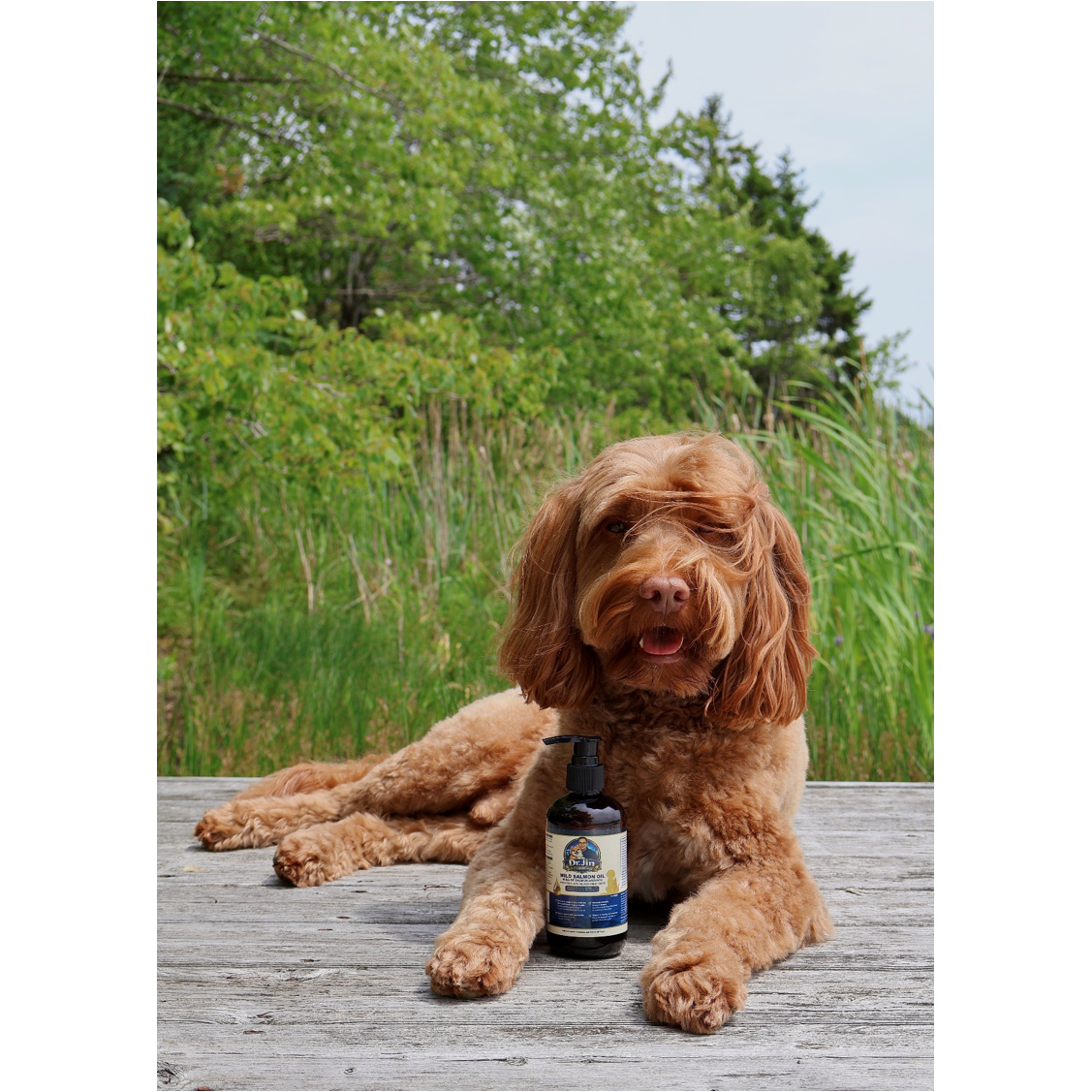

Small Dog Joint Support That Fits Daily Life
When a small dog hesitates before jumping onto the couch, takes the stairs one at a time, or seems stiff after a nap, most pet parents notice right away. Small dog joint support matters because these changes can show up earlier than expected, and they can affect comfort, movement, and confidence in everyday life.
For small breeds, joint care is not just an issue for senior years. Plenty of little dogs stay active well into adulthood, but their bodies still deal with daily wear from jumping off furniture, running on hard floors, and carrying extra weight even by a pound or two. The goal is simple - support mobility before those small slowdowns become bigger limitations.
Why small dogs still need joint support
There is a common assumption that joint concerns are mostly a large-breed problem. Bigger dogs do put more stress on their joints, but small dogs are not exempt. In fact, extra-small and toy breeds often spend years doing repetitive, high-impact movements that add up over time.
Think about how many times a small dog launches off a bed or sofa in a week. Add zoomies across slippery floors, awkward landings, and the natural aging process, and it becomes easier to see why mobility support can make sense even for dogs under 20 pounds. Small dogs also tend to live longer, which means their joints may need support for more years.
That does not mean every little dog needs the same routine. A young, lean, active terrier has different needs than a senior dachshund or a tiny companion breed that has started moving more carefully. The right plan depends on age, breed tendencies, activity level, weight, and how early you want to be with preventive care.
Signs your dog may benefit from small dog joint support
Joint changes are not always dramatic. Sometimes they look like personality changes at first. A dog who used to race to the door may start walking instead. A pup who loved being picked up might tense up when touched near the hips or shoulders.
You may also notice stiffness after resting, reluctance to jump, slower walks, trouble with stairs, less interest in play, or slipping more often on smooth surfaces. None of these signs automatically point to one issue, but they are good reasons to pay closer attention.
Subtle shifts matter. Dogs are good at adapting, and small dogs especially can hide discomfort while still trying to keep up with their routines. If movement looks different, it is worth taking seriously.
What actually helps support healthy joints
The best small dog joint support is usually not one big fix. It is a combination of daily habits that reduce strain and help maintain comfortable movement over time.
Weight management is one of the biggest pieces. On a small frame, even a little extra body weight can add noticeable stress to joints. Keeping meals consistent, using functional add-ons thoughtfully, and avoiding too many treats can make a real difference.
Daily movement helps too, but the type of movement matters. Short, steady walks are often better than occasional bursts of intense activity. Gentle play, controlled exercise, and traction on slippery floors can all support more comfortable mobility. Ramps or steps for furniture can also reduce repeated impact, especially for dogs that jump often.
Then there is supplementation. This is where many pet parents look for an easy routine, and for good reason. A well-made joint chew or meal topper can fit naturally into feeding time without making care feel complicated.
Ingredients worth looking for in joint supplements
If you are comparing products, focus on ingredients with a clear purpose. Glucosamine is one of the most recognized options for supporting cartilage and joint function. Chondroitin is often paired with it because the two are commonly used together in mobility formulas.
MSM is another ingredient many dog owners look for when they want daily joint support. Collagen can also be helpful, especially in formulas designed to support connective tissues and overall joint comfort. These are familiar functional ingredients because they are straightforward and practical, which is exactly what most pet parents want.
The bigger question is not just what is included, but whether the formula makes sense for a small dog. Serving size, chew size, palatability, and ease of use all matter. A supplement only helps if your dog will actually take it consistently.
That is why convenience counts. Soft chews and easy meal add-ons can work well because they fold into routines you already have. At Dr. Jin Pet Essentials, that same benefits-first approach is what makes wellness products easier to use every day rather than easier to forget.
When to start joint support
A lot of people wait until their dog is visibly slowing down. Sometimes that is appropriate, but earlier support can be a smart move, especially for breeds with known mobility concerns or dogs entering middle age.
Preventive care does not need to be dramatic. It can be as simple as choosing a daily supplement, keeping your dog at a healthy weight, and making a few small changes at home. Starting before major stiffness shows up may help support a more active, comfortable routine over time.
That said, there is a difference between general support and responding to clear pain or sudden changes. If your dog limps, cries out, stops bearing weight, or has a fast shift in mobility, that is not the time to rely on a chew alone. Those situations need veterinary attention.
How to choose the right routine for your dog
The most useful routine is the one you can keep up with. For some dogs, that means a daily hip and joint chew given with breakfast. For others, a topper mixed into dinner feels easier. If your dog is picky, flavor and texture can matter as much as ingredients.
It also helps to be realistic about goals. Joint support may help maintain mobility, support comfort, and encourage easier daily movement, but it is not an overnight transformation. Some dogs show improvement in enthusiasm and ease of motion fairly quickly, while others need more time and consistency.
Age is part of the decision, but it is not the only factor. A younger dog with high-impact habits may benefit from support just as much as an older lap dog with stiffness. And if your dog already has trouble with stairs or jumping, home setup matters too. Rugs, ramps, lower-impact play, and supportive supplementation can work better together than any single change on its own.
Small dog joint support at home
Home routines can either help joints or quietly make them work harder. Hard, slick floors often lead to slipping and awkward movement, which can put more strain on the body. Adding rugs or traction runners in common pathways is a simple fix that often helps right away.
Furniture is another factor. Many small dogs spend their day hopping on and off beds, chairs, and couches. Those jumps may look harmless, but repeated impact adds up. Pet stairs or a small ramp can reduce that daily stress without taking away the freedom your dog enjoys.
Nail care matters more than people think. Overgrown nails can change the way a dog stands and walks, which can affect movement patterns over time. Keeping nails trimmed and paw pads in good condition supports steadier footing.
What to expect from a joint supplement
A quality supplement is meant to support the body, not replace good care habits. You are looking for gradual support - easier movement after rest, more willingness to walk, better confidence with stairs, or less hesitation during normal activities.
Results vary, and that is where honesty matters. Some dogs respond well to a daily mobility formula, especially when it is paired with healthy weight and lower-impact routines. Others may still need more hands-on evaluation if mobility issues are more advanced. It depends on what is driving the change.
Consistency usually matters more than chasing the strongest-sounding product. A simple formula with recognizable ingredients, given regularly, often fits real life better than a complicated plan that falls apart after a week.
Small dogs bring a lot of energy, personality, and closeness into a home. Supporting their joints does not have to be complicated to be meaningful. A few smart daily choices now can help keep those little legs moving comfortably for the moments that matter most.