





A good dog probiotics review should do more than promise a happier belly. It should help you decide whether a product makes sense for your dog, what the label actually tells you, and when digestive changes call for a veterinarian instead of another scoop of supplement.
Probiotics can be a practical daily wellness add-on for some dogs, especially when occasional digestive upset, stress, diet changes, or antibiotic use has disrupted their usual routine. But not every probiotic is formulated the same way, and the biggest number on the front of the package is not always the best reason to buy.
Dog Probiotics Review: What Makes a Product Worth Trying?
Probiotics are beneficial live microorganisms that may support balance in the digestive tract. In plain language, they are intended to support the helpful microbes that play a role in digestion, stool quality, nutrient use, and normal immune function.
A quality product starts with specificity. Look for clearly identified strains, not just a vague statement that a formula contains probiotics. A strain name usually includes three parts: the genus, species, and strain designation. For example, Lactobacillus and Bifidobacterium are common genera used in canine supplements, but the specific strain matters because different strains may perform differently.
The best choice also depends on your goal. A dog that gets loose stools during travel may need a different approach than a dog transitioning to a new food. For everyday support, a simple formula with transparent labeling can be a better fit than an overstuffed blend with a long list of ingredients that do not clearly serve your dog’s needs.
CFUs Matter, but Context Matters More
CFU means colony-forming units, which estimates the number of viable microorganisms in a serving. It is useful information, but it is not a shortcut to quality.
A higher CFU count does not automatically mean better results. The right serving depends on the strains used, the product’s stability, your dog’s size, and why you are using it. A tiny dog does not necessarily need the same serving as a large-breed dog, and more powder is not always more helpful.
What you want to see is a label that states the number of CFUs guaranteed through the expiration date, rather than only at the time of manufacturing. Probiotics are living organisms, so heat, moisture, and time can affect potency. A product that is carefully packaged and clearly stored may be more dependable than one that makes a huge CFU claim without explaining how freshness is protected.
Ingredients to Look for on a Probiotic Label
A clean label makes shopping easier. Beyond probiotic strains and a guaranteed CFU count, check the inactive ingredients. Some powders and chews include flavoring, prebiotics, digestive enzymes, or binders. None of these are automatically a problem, but they should fit your dog’s diet and sensitivities.
Prebiotics deserve a closer look. These are fibers that help nourish beneficial gut bacteria. Ingredients such as inulin or fructooligosaccharides may be included alongside probiotics, creating a synbiotic formula. For many dogs, that pairing can be useful. For dogs with very sensitive digestion, however, adding a lot of fiber too quickly may lead to extra gas or softer stools at first.
When comparing options, look for these practical label details:
- Named probiotic strains, rather than an unspecified proprietary blend
- A CFU guarantee through the expiration date
- Clear feeding directions based on body weight or daily serving size
- Storage guidance, including whether refrigeration is required
- A full ingredient list that works with your dog’s known food sensitivities
Powder, Chew, Liquid, or Food Topper?
The best probiotic format is often the one your dog will take consistently. If your dog refuses pills, a capsule with excellent ingredients may not be the practical winner. Think about your feeding routine before choosing.
Powders are easy to mix into wet food, kibble with a little moisture, or a flavorful meal topper. They can be especially convenient for dogs that already enjoy a food-based routine. The trade-off is that powder needs to be measured, and it should not be mixed into very hot food, which can affect live cultures.
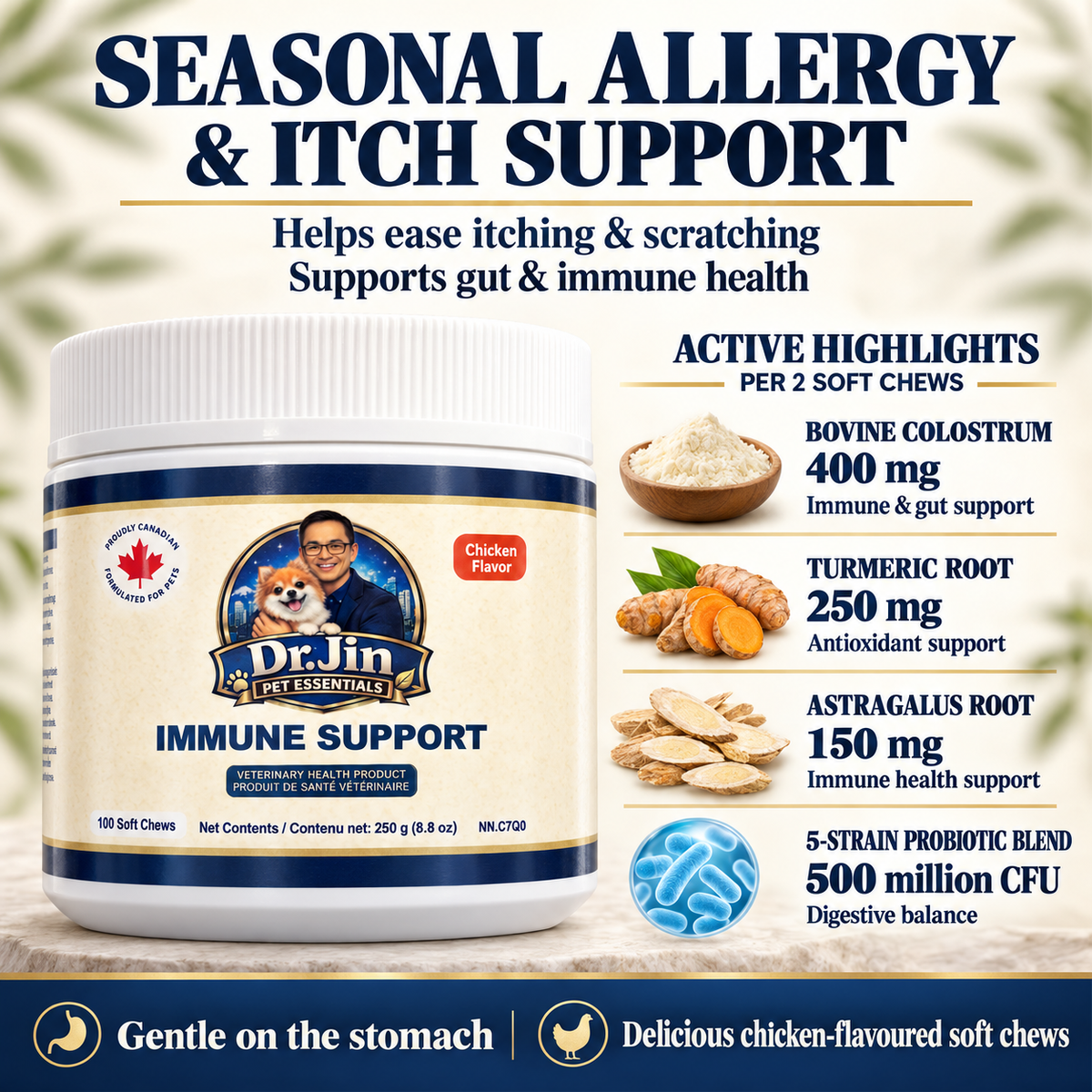
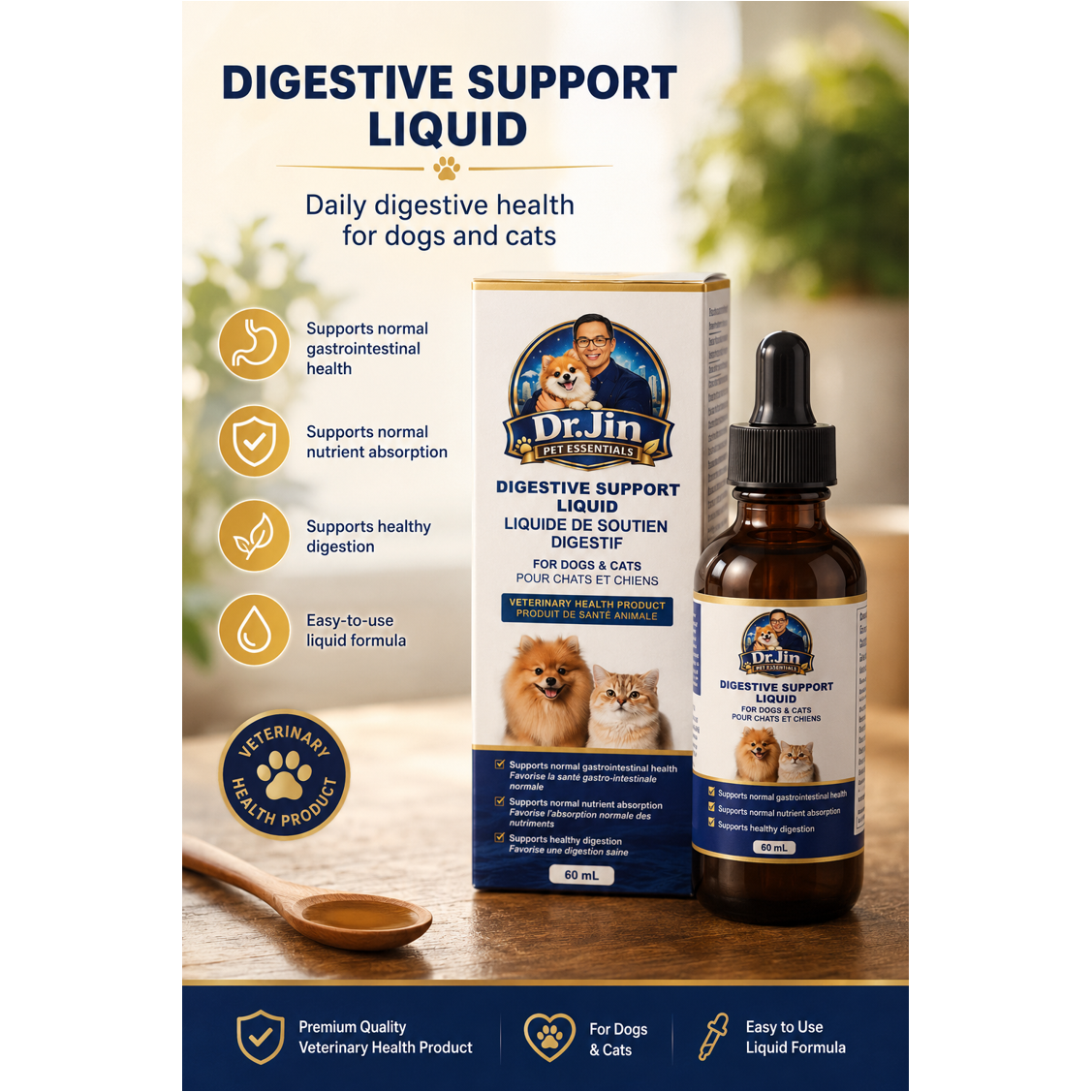
Soft chews are simple for travel and can feel like a treat, but check calorie counts and added ingredients if your dog is on a restricted diet. Liquid Probiotics offer Liquid probiotic drops for dogs deliver live, beneficial bacteria directly into food or water, offering the main benefit of precise, weight-based dosing without requiring a capsule shell or chew matrix to break down first.
Refrigerated products may appeal to pet parents looking for fresh live cultures, while shelf-stable products can be easier to store and travel with. Neither format wins automatically. The deciding factor is whether the manufacturer provides a reliable potency guarantee and appropriate storage instructions.
How to Introduce Probiotics Without Upsetting the Routine
A slow start is usually the most comfortable approach, particularly for dogs with sensitive stomachs. Begin with a partial serving for several days, then work toward the labeled daily amount if your dog is doing well. This gives you a better chance to notice how your dog responds.
Keep the rest of the routine steady while you test a probiotic. Do not introduce a new food, new treats, and a new supplement all in the same week. If stool changes, itching, vomiting, or reduced appetite appear, you will have a much harder time identifying the cause.
Give a daily probiotic a fair trial before judging it. Some dogs show changes quickly, while others need a few weeks of consistent use. Watch for simple, useful signals: stool consistency, frequency, gas, appetite, and comfort after meals. A brief note on your phone can be more useful than trying to remember what happened two weeks ago.
When a Probiotic Is Not the Right Next Step
Supplements can support wellness, but they cannot diagnose or treat the cause of ongoing digestive problems. Call your veterinarian promptly if your dog has repeated vomiting, diarrhea lasting more than a day or two, blood in the stool, significant lethargy, pain, dehydration, sudden weight loss, or refuses food.
Puppies, senior dogs, dogs with chronic illness, and dogs taking medications may need more individualized guidance. The same is true for dogs with a history of pancreatitis, severe food allergies, or immune system concerns. Your veterinarian can help you decide whether a probiotic is appropriate and what to prioritize.
A Smarter Way to Compare Dog Probiotics
Instead of searching for one universally best product, match the formula to your dog and your household. A simple daily powder may be ideal for a healthy dog who eats meals reliably. A portable chew could suit a dog who gets stressed during road trips. A veterinarian-recommended option may be the better route when digestive issues are recurring or complicated.
Price deserves a practical review, too. Compare cost per daily serving, not just the price of the container. A lower-priced product that lasts two weeks may not offer the value of a slightly higher-priced formula designed for a full month. Also consider whether the product includes ingredients you genuinely want, rather than paying for a long feature list that does not match your dog’s needs.
The most useful dog probiotic is one with transparent strains, dependable handling, an easy daily format, and a purpose that fits your dog. Start small, stay consistent, and let your dog’s everyday comfort guide the decision.