






A joint supplement only helps if it makes it into your dog’s routine consistently. That is the real question behind joint chews vs tablets for dogs: not which format looks more impressive on the label, but which one your dog will willingly take and you can reliably give every day.
For many pet parents, a soft chew feels like the easy answer. It can be offered like a treat, tucked into a daily ritual, and enjoyed without a struggle. Tablets can be a smart choice too, especially when your dog is comfortable taking them with food or needs a more compact serving. The best fit depends on your dog’s size, preferences, diet, and your own household routine.
Joint chews vs tablets for dogs: the everyday difference
Chews and tablets can both deliver familiar mobility-supporting ingredients, including glucosamine, chondroitin, MSM, and collagen. The format does not automatically tell you whether a formula is better. What changes is the experience of giving it.
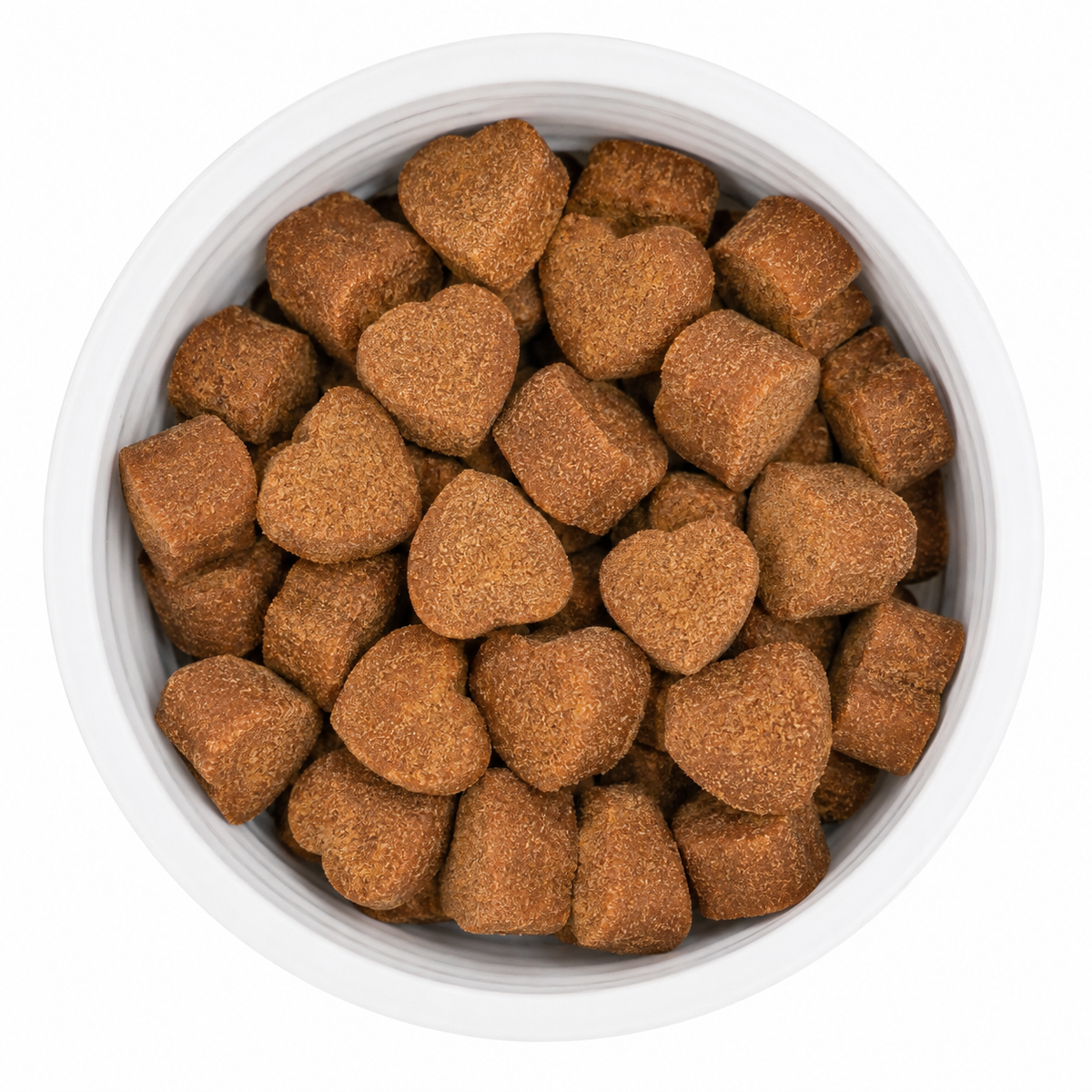
Soft chews are made to be palatable and easy to eat. They are often a natural fit for dogs that see supplements as suspicious but rarely turn down a tasty reward. For busy mornings, a chew can be a simple grab-and-give step before a walk or alongside breakfast.
Tablets are typically firmer, more concentrated, and less treat-like. Some dogs take them directly, while others need the tablet hidden in food or placed in the back of the mouth. If your dog is already used to medication or eats nearly anything in the bowl, this may not be a problem at all.
The practical winner is the format that avoids daily negotiation. A supplement schedule is most useful when it is sustainable for months, not just for the first enthusiastic week after opening the container.
When joint chews make more sense
Joint chews are often a strong choice for dogs who are selective eaters, dislike pills, or respond well to food rewards. The soft texture can also be easier for older dogs with sensitive mouths or dental discomfort, although any ongoing dental concern deserves attention from your veterinarian.
They are especially convenient when you want mobility support to feel like part of a positive wellness routine. Give the chew after the morning potty break, during your dog’s after-dinner routine, or as a reward after a gentle walk. Linking it to an existing habit makes it much easier to remember.
For pet parents with small dogs, check the serving directions carefully. Smaller dogs may need only a portion of a chew or a lower daily serving, depending on the formula. A product designed with clear weight-based guidance takes the guesswork out of daily use.
Palatability does come with a trade-off. Chews may include flavoring and other ingredients needed to create a soft, appealing texture. That is not necessarily a drawback, but owners of dogs with food sensitivities should always read the full ingredient panel rather than focusing only on the active ingredients.
A chew is a good fit if your dog...
Your dog may do best with a chew if they eagerly accept treats, turn away from pills, need a little encouragement at supplement time, or benefit from a gentler, softer format. Chews can also make it easier for multiple family members to stay consistent, since there is less technique involved.
Just store them securely. A dog who thinks the container holds treats may try to help themselves, and even a wellness supplement should only be given in the recommended amount.
When tablets may be the better option
Tablets can work well for dogs who are easy to medicate or eat a regular meal without picking around additions. They may be a convenient choice if your dog needs a compact format, particularly when traveling or when you prefer to add supplements directly to a bowl.
Some tablet formulas also allow for straightforward dose adjustments, depending on the product’s instructions. That can be useful in multi-dog homes where each dog has a different weight and serving size. Still, never assume that a human-style pill splitter or dosing approach is appropriate. Follow the product directions and ask your veterinarian if you are unsure.
Tablets can be less appealing for picky dogs. Hiding one in cheese, peanut butter, or a pill pocket may work at first, but some clever dogs learn to eat around the tablet. If your dog consistently spits it out, the format is creating more friction than it is worth.
For dogs on prescription medication, tablets may also look deceptively similar to medicine. That is not a health concern by itself, but it can make routines feel stressful for dogs that already dislike medication time. A chew may help separate daily wellness support from an unpleasant pill experience.
Compare the formula, not just the format
Once you know which format your dog is most likely to take, look beyond chew versus tablet. The ingredient list, daily serving, quality standards, and intended benefit matter more than the shape of the supplement.
For joint support, many dog owners recognize glucosamine, chondroitin, MSM, and collagen. These ingredients are commonly used in canine mobility formulas because they support the structures involved in comfortable movement. A thoughtful formula should clearly identify what is included and provide simple serving guidance based on your dog’s weight.
Avoid choosing based on the largest number printed on the front of the package alone. More is not always better, especially for smaller dogs. What matters is whether the formula is made for dogs, appropriate for your dog’s size, and easy to use as directed.
It also helps to set realistic expectations. Joint supplements are wellness tools, not overnight fixes. A dog may still have good days and slower days, especially as they age, recover from heavy activity, or manage an existing condition. Consistency, a healthy body weight, appropriate movement, supportive flooring, and veterinary care all play a role in everyday mobility.
Consider your dog’s life stage and routine
An active adult dog may benefit from a simple daily joint-support routine before stiffness becomes part of the conversation. A senior dog who takes longer to rise after a nap, hesitates on stairs, or seems less interested in favorite activities may also be a candidate for a mobility-focused discussion with a veterinarian.
However, sudden limping, crying out, swelling, weakness, or a major change in activity should not be treated as a supplement-shopping problem. Those signs call for veterinary guidance. Supplements can support a wellness plan, but they do not replace an exam or treatment for pain and injury.
Think about what happens in your home at the same time every day. If breakfast is dependable, a tablet mixed into food may be effortless. If your dog grazes, skips meals, or shares feeding duties with several people, a measured chew given as a daily treat may offer better consistency.
Dogs with sensitive stomachs may need a slower introduction to any new supplement. Start exactly as directed on the package, give it with food if recommended, and watch for changes in appetite or stool. If you notice a concern, stop using the product and contact your veterinarian.
How to choose without overthinking it
Start with acceptance. If your dog loves soft treats and has rejected pills before, choose a chew. If your dog takes tablets calmly with meals and you prefer a compact option, a tablet may be perfectly practical.
Next, verify the formula. Look for recognizable mobility ingredients, clear instructions, and a serving size that makes sense for your dog’s weight. Finally, make the routine easy enough that you will keep it going. The best joint supplement is not the one that creates a complicated new chore. It is the one that fits naturally into the care you already give.
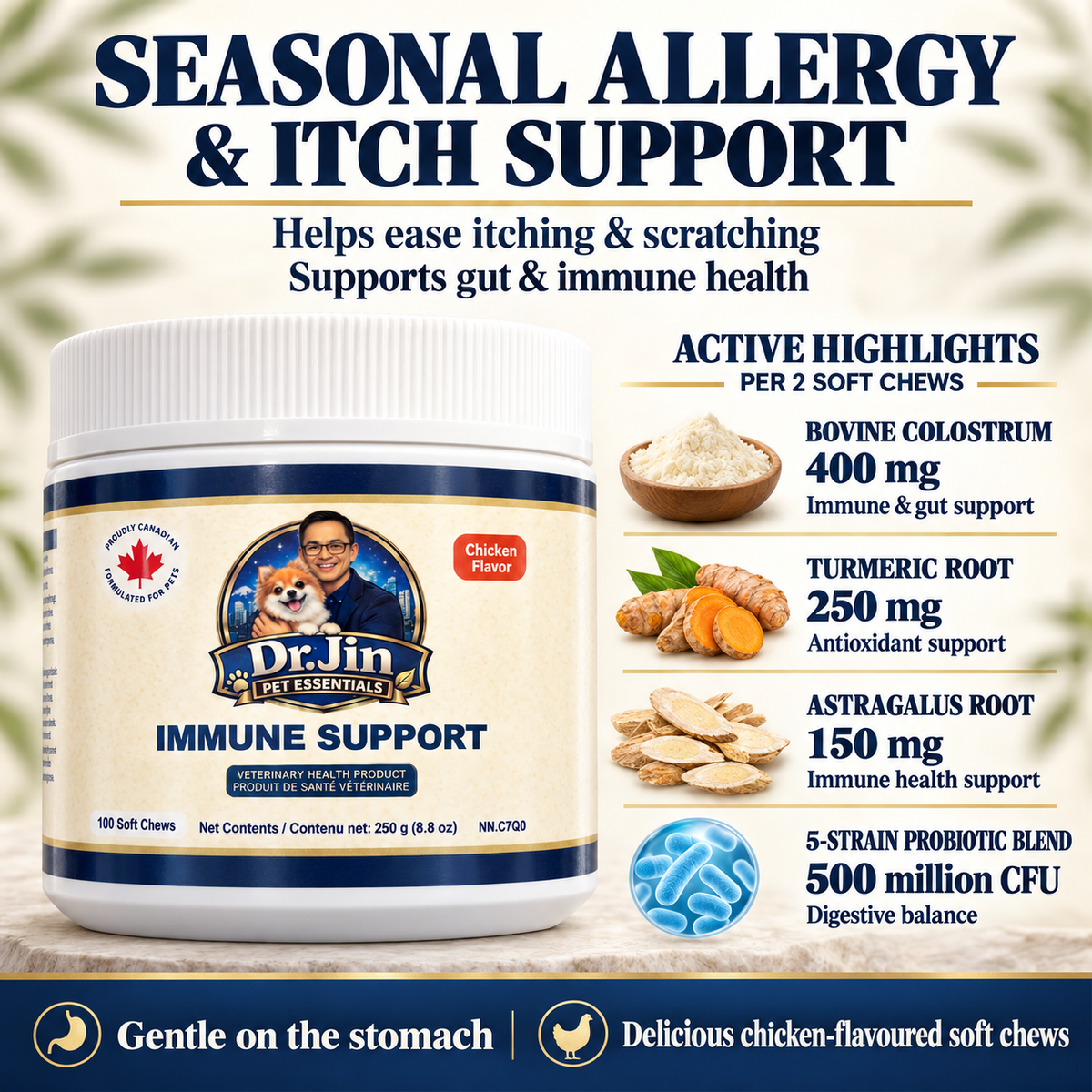
Dr. Jin Pet Essentials Hip and Joint Chews are designed around that daily-use idea, pairing familiar ingredients such as glucosamine, chondroitin, MSM, and collagen in a convenient soft-chew format for straightforward mobility support.
Your dog does not need a complicated wellness routine to feel cared for. Choose the format they accept happily, stay consistent with the recommended serving, and keep paying attention to how they move, play, and rest each day.