





A meal topper can turn a bowl your dog ignores into one they look forward to, but better flavor is only part of the story. This meal topper buying guide helps you choose an add-on that suits your dog’s routine, appetite, and wellness goals without making feeding feel complicated.
Start With the Reason You Want a Topper
The best meal topper is not automatically the one with the longest ingredient list or the boldest claim. It is the one that solves a real need for your dog. Some pet parents want to encourage a picky eater. Others want a convenient way to add flavor, moisture, or targeted nutritional support to a regular diet.
If your dog is healthy, eating well, and simply enjoys variety, a simple, flavorful topper may be enough. If you are caring for an older dog, a dog with a changing appetite, or a pup who could benefit from extra daily support, a functional topper can make the feeding routine more purposeful.
Keep expectations realistic. A topper is an addition to a complete and balanced dog food, not a replacement for it. It can support a more enjoyable, nourishing meal routine, but persistent appetite changes, vomiting, diarrhea, weight loss, or drinking changes are reasons to speak with your veterinarian.
Choose the Right Meal Topper Format
Meal toppers come in several formats, and each has a different advantage. The right choice often comes down to convenience, your dog’s preferences, and how much control you want over the serving.
Powder toppers
Powders are one of the easiest options for everyday use. You scoop the recommended amount over food and, depending on the product, add warm water to create a savory broth. This can be especially helpful for dogs who prefer moist food or need more encouragement at mealtime.
Beef bone broth powder is a popular choice because it delivers a rich, meaty flavor without taking up refrigerator space. It is also easy to adjust. Use a lighter sprinkle for a small dog or a more generous serving for a larger bowl, always following the product directions.
Broths and liquids
Ready-to-pour broths add moisture quickly and can be appealing for dogs that eat dry kibble. They are convenient, but check the storage instructions and serving size carefully. Once opened, liquid products may need refrigeration and should be used within a shorter period.
Freeze-dried or dehydrated toppers
These toppers often provide recognizable pieces of meat, organs, vegetables, or fruit. They can feel more like a special food addition, which makes them appealing for dogs who enjoy texture. They may be less practical for households that want a clean, consistent scoop-and-serve routine every day.
Fresh food toppers
Fresh toppers can be highly palatable, but they also require refrigerator or freezer space, careful handling, and a close eye on freshness. They can be a good fit for pet parents who already prep fresh meals, though they are not always the most convenient option for travel or busy mornings.
Read the Ingredient Panel With a Purpose
A short, understandable ingredient list is often a good place to begin. Look for ingredients that match the benefit you want, rather than choosing based on trendy terms alone.
For a broth-style powder, you may want to see a clearly identified protein source, such as beef bone broth, along with straightforward supporting ingredients. A product designed for joint support may include familiar functional ingredients like collagen, glucosamine, chondroitin, or MSM. A dental product has different needs entirely, so do not assume one powder is meant to do every job.
Pay attention to what is not included, too. Dogs do not need heavy seasoning to enjoy a topper. Avoid products made with ingredients that are unsafe for dogs, including onion, garlic, or xylitol. If your dog has a known food sensitivity, read every ingredient and consider whether the protein source fits their history.
“Natural” is not enough information by itself. What matters is whether the product tells you what it contains, why those ingredients are included, and how much to feed. Clear labeling makes it easier to use a topper confidently and consistently.
Consider Calories and Complete Diet Balance
Toppers count toward your dog’s daily intake. This matters most for small dogs, senior dogs, and dogs working toward a healthy weight, because a small extra serving can represent a meaningful portion of their daily calories.
Check the calories per scoop, packet, or tablespoon, then factor that amount into the rest of the day’s food and treats. If your dog needs to lose weight, you may need to slightly reduce their regular food when adding a calorie-dense topper. Your veterinarian can help you set a safe daily target.
It also helps to distinguish between a topper and a complete meal. A complete and balanced food is formulated to provide essential nutrients in the right proportions when fed as directed. Most toppers are meant to complement that base diet, adding taste, texture, hydration, or a specific functional benefit.
Match the Topper to Your Dog’s Size and Routine
A large, active dog and a tiny companion dog should not automatically receive the same amount. Follow the label’s weight-based directions, use a proper measuring scoop, and start at the lower end when introducing something new.
For extra-small dogs, powders can be particularly practical because servings are easy to scale. A little flavor can go a long way, and a measured powder helps avoid accidentally overfeeding. For multi-dog homes, choose a product that is simple to portion so every dog gets an appropriate serving.
Your routine matters, too. If breakfast happens during a rushed weekday morning, a topper that requires extensive prep may end up sitting in the pantry. A shelf-stable powder that mixes with warm water can offer an easy middle ground: more aroma and moisture than dry kibble alone, without the handling demands of fresh products.
Introduce a New Topper Gradually
Even a high-quality topper can upset a sensitive stomach if you add too much too quickly. Start with a small amount for several days, then increase toward the suggested serving if your dog is doing well. Watch for changes in stool, gas, itching, or appetite.
This gradual approach also tells you whether your dog genuinely enjoys the product. Some dogs prefer a lightly moistened bowl, while others love a fuller broth. Let their response guide the routine instead of assuming more is always better.
If your dog eats a prescription diet, has pancreatitis, kidney disease, food allergies, or another diagnosed condition, ask your veterinarian before introducing a topper. The right add-on depends on the full health picture, not just the flavor your dog likes.
Look for Everyday Ease, Not Just a Great First Bowl
The most useful topper is one you can keep using. Consider the container, storage needs, serving instructions, and how easily the product fits with your dog’s current food. A resealable package, clear scoop size, and uncomplicated directions can make a real difference over time.
Flavor matters, but consistency matters just as much. Dogs tend to do best when feeding changes are thoughtful and stable. If you find a topper your dog enjoys and tolerates well, there is no need to rotate products constantly just to create novelty.
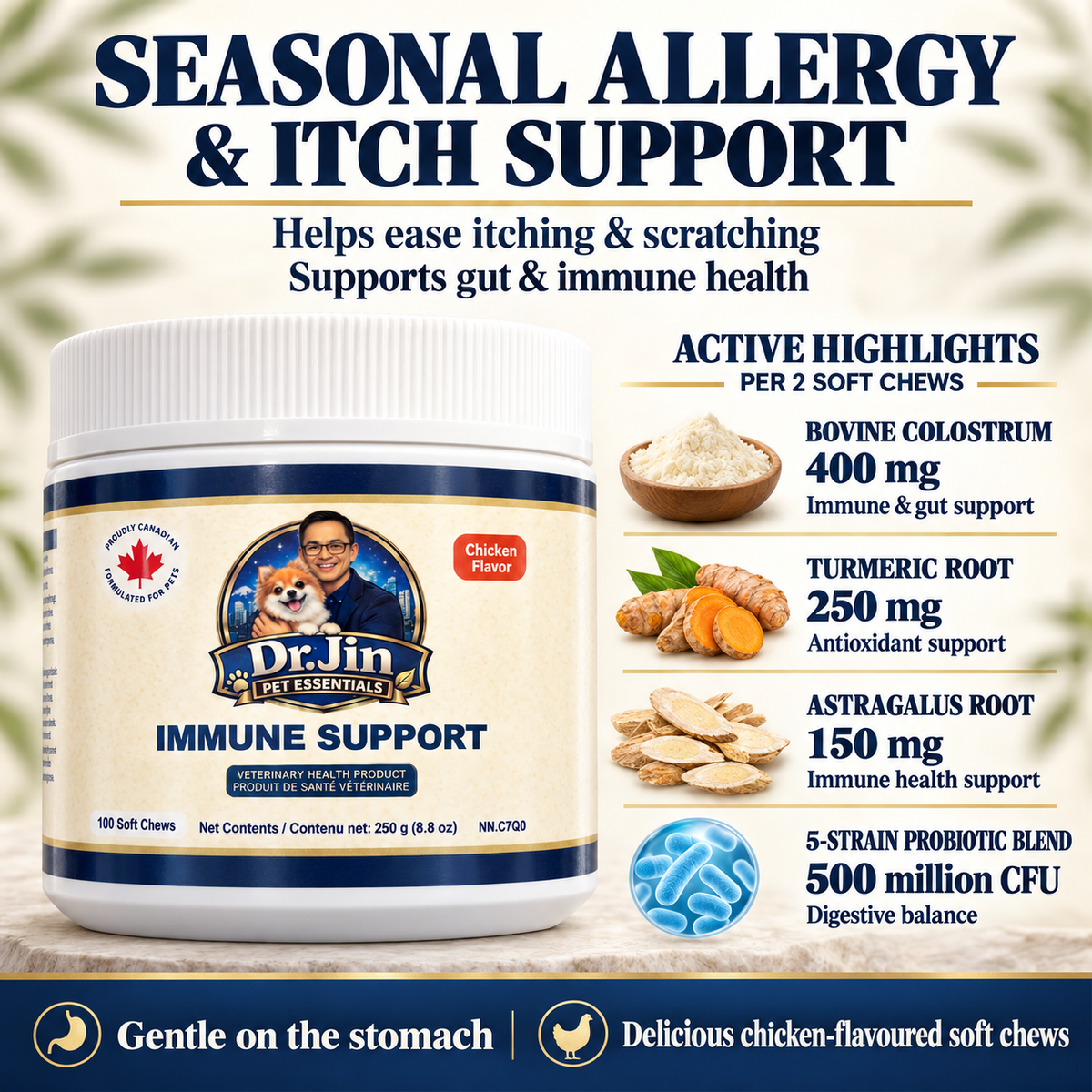
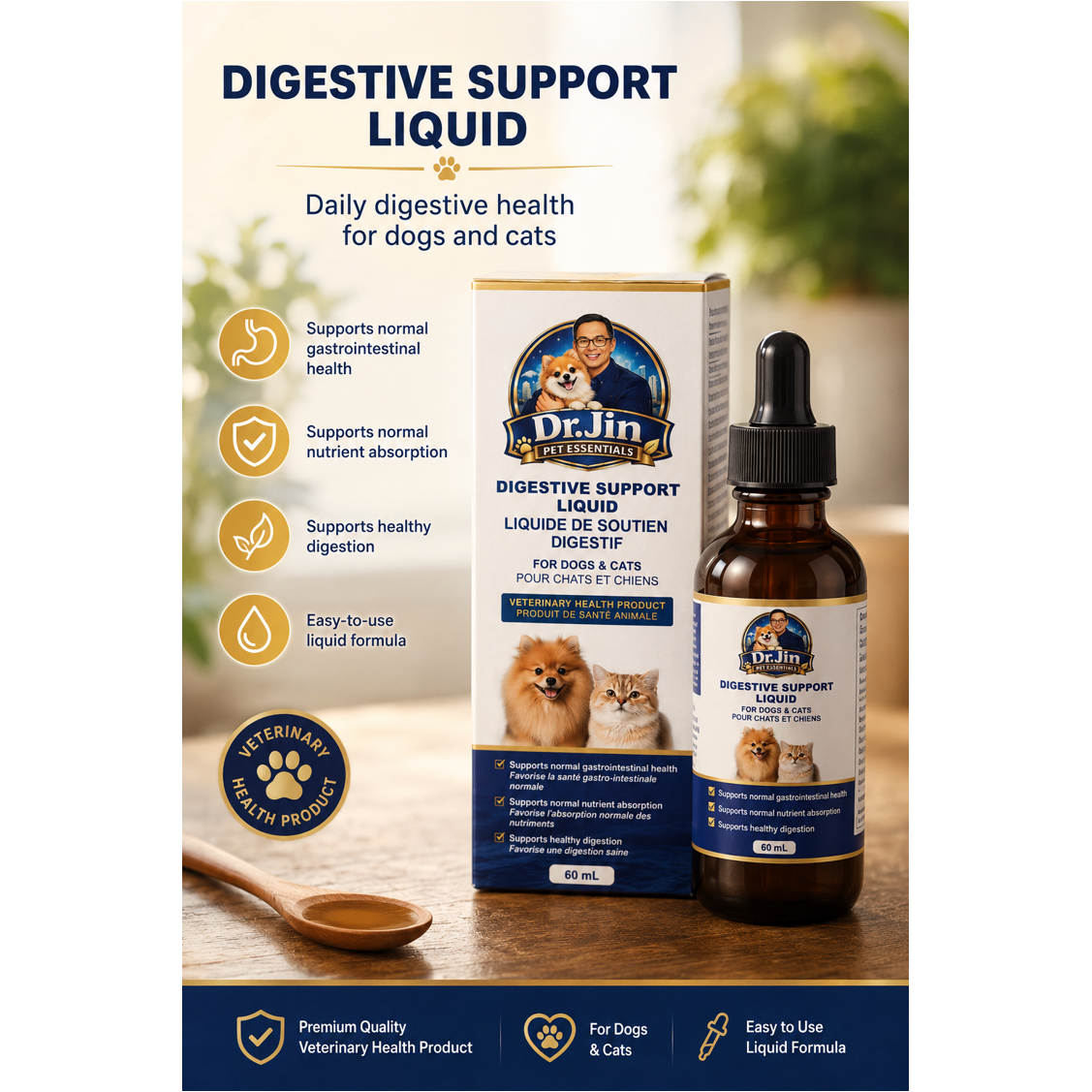
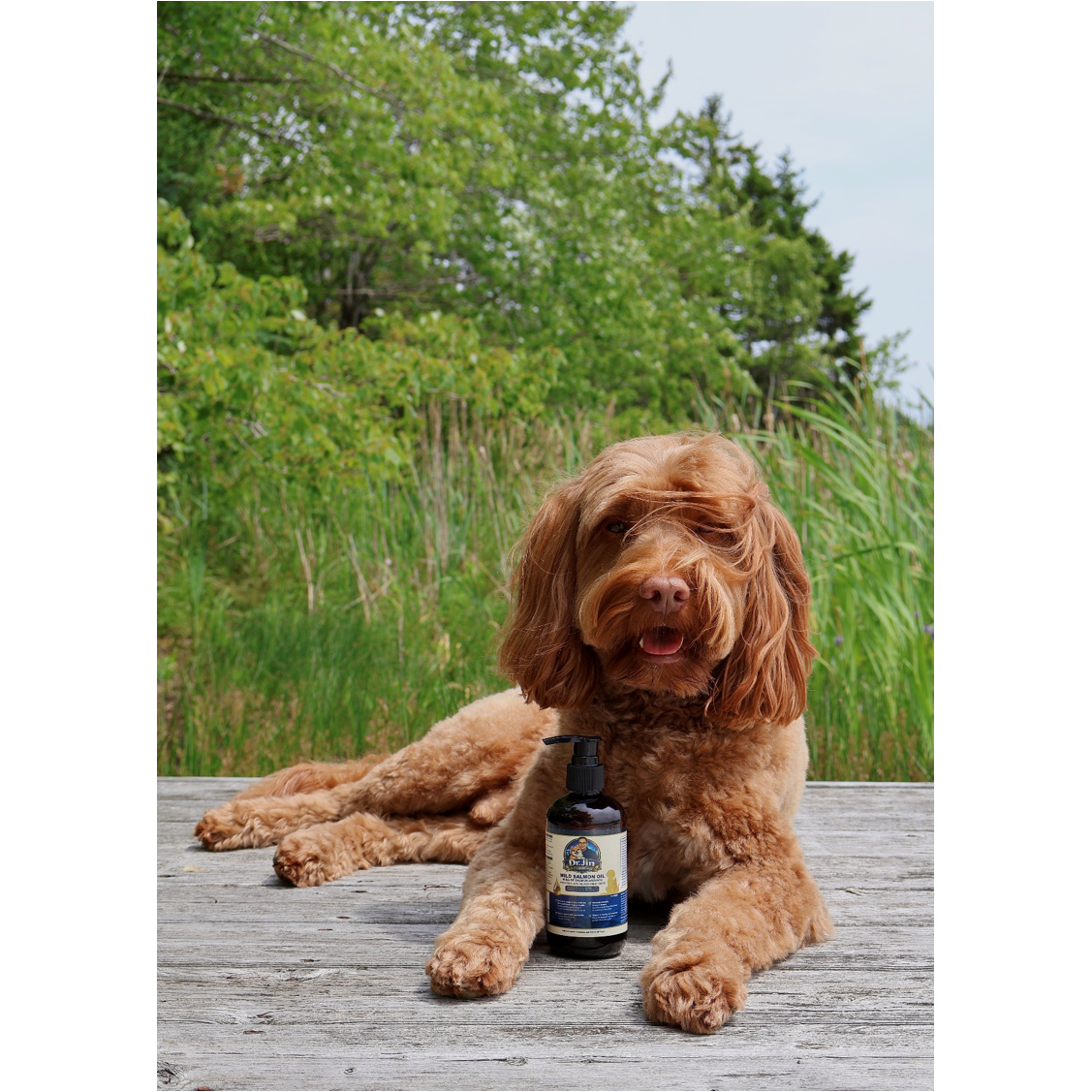
For pet parents who want a straightforward daily option, Dr. Jin Pet Essentials beef bone broth powder offers a convenient way to add savory flavor and meal-time interest to your dog’s bowl. Use it as directed, adjust thoughtfully for your dog’s size, and keep their primary food at the center of the meal.
A good topper should make care feel easier, not more complicated. Choose one that matches your dog’s needs, measure it with intention, and let every bowl become a small, reliable moment of support and enjoyment.