






The moment the doorbell rings, your dog is pacing, barking, or trying to disappear behind the sofa. Or maybe the hard part comes when you pick up your keys and they realize they may be alone. Natural remedies for dog anxiety can help create a calmer routine, but the most effective approach is rarely one single calming treat, toy, or trick. It is a set of small, repeatable signals that tells your dog they are safe.
Anxiety can look different from one dog to the next. Some dogs shake and cling to their people. Others bark, chew, have accidents indoors, refuse food, or become unusually restless. The goal is not to make a dog sleepy or silence every reaction. It is to lower stress, build confidence, and make daily life more comfortable for your dog and your household.
Start by Understanding Your Dog's Triggers
Before trying a new remedy, pay attention to when the anxious behavior happens. Separation, visitors, thunderstorms, car rides, unfamiliar dogs, grooming, and changes in household routine are common triggers. A simple note on your phone can help: record what happened before the behavior, how your dog reacted, and how long it lasted.
That pattern matters because the right support depends on the situation. A dog who worries during storms may need a quiet indoor retreat and sound masking. A dog who panics when left alone needs gradual separation training, not just a distraction after you walk out the door. If anxiety is new, suddenly worse, or paired with pain, appetite changes, confusion, or aggression, schedule a veterinary visit. Health issues can sometimes look like behavior problems.
Natural Remedies for Dog Anxiety at Home
Create a predictable calm space
Dogs often settle more easily when they have a consistent place to rest. Choose a quiet corner away from busy entryways and set it up with a comfortable bed, water, and a familiar blanket. If your dog already enjoys a crate, it can be a useful retreat, but it should never be used as punishment or as a place to confine a panicking dog.
For noise-sensitive dogs, close curtains, turn on a fan or gentle background sound, and keep your own movements relaxed. During fireworks or storms, prepare this space before the noise begins. Waiting until your dog is already frightened makes it harder for them to settle.
Use movement to release everyday stress
A walk is helpful, but anxious dogs often benefit from more than a fast trip around the block. Slow sniffing walks give dogs a chance to explore at their own pace, which can be mentally satisfying without adding too much excitement. For a dog who gets overwhelmed outside, choose quieter routes and shorter outings rather than pushing through a crowded park.
Gentle play can help, too. A few minutes of tug, a soft fetch session, or a food puzzle before a known trigger can redirect nervous energy. The right amount depends on the dog. A high-energy young dog may need more activity, while an older dog with sore joints may feel best with low-impact movement and a calm enrichment activity indoors.
Give their brain a simple job
Chewing, licking, sniffing, and foraging can be naturally soothing behaviors. Try scattering part of your dog's meal in a snuffle mat, using a puzzle feeder, or offering a safe long-lasting chew that suits their size and chewing style. These activities are especially useful during predictable stress periods, such as when visitors arrive or while the household gets ready for work.
Food-based enrichment works best when it is familiar and easy enough to complete. An anxious dog can become more frustrated if a puzzle is too difficult. Keep the task simple, supervise when needed, and factor treats into your dog's daily calories.
Make departures less dramatic
For separation-related stress, practice tiny absences while you are still at home. Pick up your keys, put them down, and stay. Step outside for a few seconds, then return before your dog becomes distressed. Over time, gradually increase the duration only when your dog remains comfortable.
Keep arrivals and departures low-key. A big emotional goodbye can make leaving feel more significant, while a calm routine teaches your dog that people come and go safely. This takes patience. If your dog howls for long periods, destroys doors or windows, drools heavily, or tries to escape when alone, ask your veterinarian for guidance and consider working with a qualified behavior professional.
Consider calming touch and body comfort
Some dogs relax with slow, gentle strokes along the shoulders, chest, or back. Others prefer a little space when worried. Let your dog decide. If they lean in, soften their eyes, or settle beside you, quiet touch may be comforting. If they move away, lick their lips repeatedly, stiffen, or turn their head, give them room.
Physical comfort also includes addressing everyday aches. Dogs who are uncomfortable may be less patient, less resilient, and more reactive to stress. Age-appropriate exercise, a supportive resting spot, and conversations with your vet about mobility can all contribute to a more comfortable daily routine.
Use nutrition as part of a steady routine
A consistent feeding schedule can be reassuring, especially for dogs who thrive on predictability. For picky eaters or dogs who need a little encouragement at mealtime, a flavorful meal topper can make the routine more appealing. Dr. Jin Pet Essentials beef bone broth powder is designed to add easy meal-time flavor and nutritional support, which can be a welcome part of a calm, familiar feeding ritual.
Do not rely on a topper or supplement as a stand-alone anxiety solution. Food is most useful here as part of a broader routine that includes enrichment, training, rest, and medical support when needed. Introduce any new product gradually and follow the serving guidance for your dog's size.
Be Careful With “Natural” Calming Products
Natural does not automatically mean safe for every dog. Many herbs, concentrated oils, and human supplements can cause side effects or interact with medications. Essential oils deserve special caution: some are toxic to dogs, particularly when applied directly, diffused in poorly ventilated spaces, or ingested. Never give your dog an essential oil without veterinary direction.
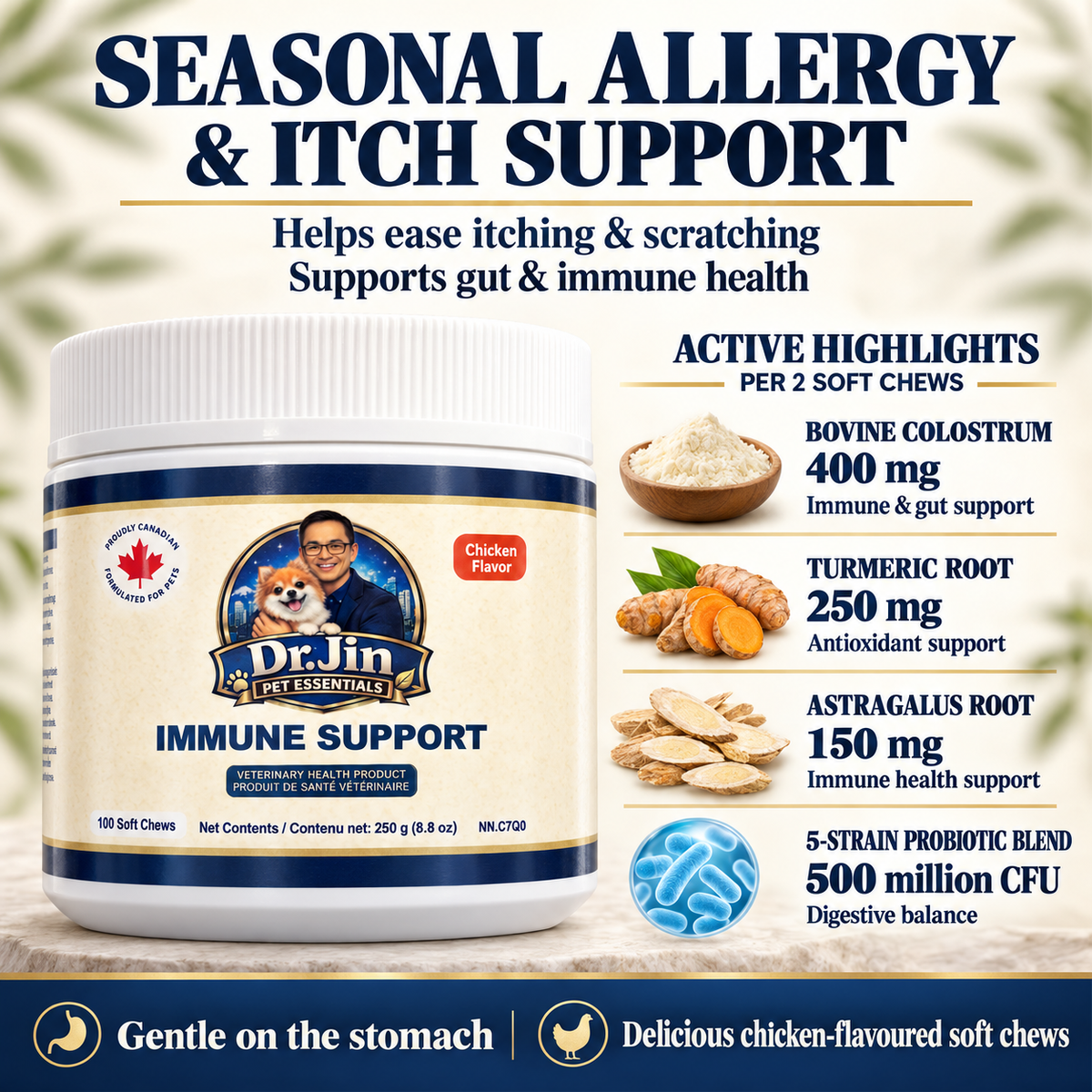
Calming supplements may include ingredients such as L-theanine, colostrum, chamomile, or hemp-derived compounds. Their usefulness varies by dog and by formula, and quality can vary as well. Ask your veterinarian before adding a calming supplement, particularly if your dog is a senior, pregnant, has a medical condition, or takes prescription medication. They can help you choose an option that fits your dog's health history instead of guessing from a label.
Train for Confidence, Not Just Quiet
The most lasting natural support is confidence-building practice. Pair mild versions of a trigger with something your dog enjoys, staying far enough below their stress threshold that they can still eat, respond to their name, and relax. For example, play a recording of thunder at very low volume while offering a favorite enrichment activity. Over several sessions, increase the volume only if your dog remains calm.
Avoid punishing barking, accidents, or chewing that happen during anxious moments. Punishment can make the trigger feel even more threatening and may teach a dog to hide their discomfort. Reward the behaviors you want to see instead: settling on a mat, looking at you calmly, choosing a chew, or taking a few relaxed steps away from a worry.
When Anxiety Needs More Than Home Support
Home remedies are valuable for mild stress and everyday reassurance, but severe anxiety deserves professional care. Contact your veterinarian if your dog hurts themselves trying to escape, cannot settle after a trigger ends, stops eating, has frequent digestive upset, becomes aggressive, or shows major behavior changes. Your vet can rule out medical causes and discuss behavior training, medication, or a combined plan.
A calmer dog is not built in one afternoon. It grows from kind repetition: a safe place to rest, predictable meals, appropriate movement, small confidence wins, and support that matches the reason they are worried. Start with one change your dog can succeed with today, then let that steady routine do its quiet work.