





A 7-pound dog may need the same thoughtful wellness routine as a 70-pound dog, but the details look very different at the bowl. This small breed supplement guide is designed to make those details easier: choose support based on a clear need, use a dog-appropriate serving size, and keep the routine simple enough to do every day.
Small dogs often live long, active lives. That is wonderful news, but it also means their nutrition, mobility, and oral care can change over time. The goal is not to fill the pantry with products. It is to identify where a little daily support could make feeding and care more comfortable for your dog.
Why Small Dogs Need a Different Approach
Small breeds have small stomachs, smaller calorie needs, and less room for extras. A chew or topper that seems modest for a larger dog can be a meaningful addition to a tiny dog's daily intake. That is why serving guidance matters as much as the ingredient list.
Their needs can also be more visible in everyday moments. A dog who hesitates before jumping onto the sofa, leaves food behind, or has persistent bad breath may be telling you that a routine deserves a closer look. Those signs do not automatically point to one problem, and supplements are not a substitute for veterinary care. They can, however, be a practical part of preventative wellness when matched to the right goal.
Start with one question: what are you hoping to support right now? For most small-breed households, the answer falls into one of three areas: mobility, dental care, or meal enhancement.
Small Breed Supplement Guide: Choose by Need
A focused product is easier to use consistently than a broad, complicated regimen. Match the supplement format and ingredients to the benefit you want, then give it time to become part of your routine.
For everyday mobility support
Small dogs can be energetic, but constant jumping, stairs, play, and age-related changes can add up. Joint support is often a sensible consideration for senior dogs, breeds with known joint sensitivities, or dogs who are starting to move a little more carefully.
Look for recognizable ingredients such as glucosamine, chondroitin, MSM, and collagen. These ingredients are commonly used in canine joint formulas to support healthy cartilage, connective tissue, and comfortable movement. A soft chew is convenient for dogs who enjoy treats, while a powder can work well for dogs who prefer their support mixed into a meal.
Do not wait for a dog to be visibly struggling before discussing joint care with your veterinarian. On the other hand, a young, healthy small dog with no mobility concerns may not need a joint supplement right away. Age, activity level, breed tendencies, body condition, and medical history all matter.
For fresher breath and cleaner teeth
Dental care is not just a cosmetic concern. Small dogs are especially prone to plaque and tartar buildup, and bad breath can be a sign that their mouth needs more attention. Brushing and professional dental care remain the foundation, but a daily dental powder can be a helpful add-on for owners who want a simple feeding-time habit.
Choose a product made specifically for dogs and follow the serving instructions for your dog's weight. Sprinkle-on formats are useful because they do not require a separate treat or another step in the day. If your dog has severe bad breath, bleeding gums, trouble eating, or loose teeth, skip the guesswork and schedule a veterinary exam. A supplement cannot resolve advanced dental disease.
For picky eating and nutritional variety
Some small dogs are selective eaters. Others eat reliably but benefit from a little extra interest at mealtime, especially when appetite changes with age, stress, travel, or a new environment. A beef bone broth powder meal topper can add savory flavor and encourage a more enjoyable feeding routine.
The best topper is one that complements a complete and balanced dog food rather than replacing it. Think of it as an easy meal enhancement, not a substitute for the nutrients in your dog's regular diet. Check calories, especially for toy breeds. Even small additions count when a dog's daily food portion is measured in fractions of a cup.
Read the Label With Your Dog in Mind
A polished package should not be the only reason a supplement goes into your cart. Turn it over and look for clear serving guidance by weight, a straightforward ingredient list, and a defined purpose. You should be able to explain in one sentence why you are using it: support for joints, help with daily oral care, or a nourishing meal topper.
Avoid doubling up on similar products without checking the ingredients. For example, two joint products may both contain overlapping active ingredients. More is not automatically better, particularly for a small dog. If your pup takes medication, has a chronic health condition, is pregnant, or is on a prescription diet, ask your veterinarian before adding a new supplement.
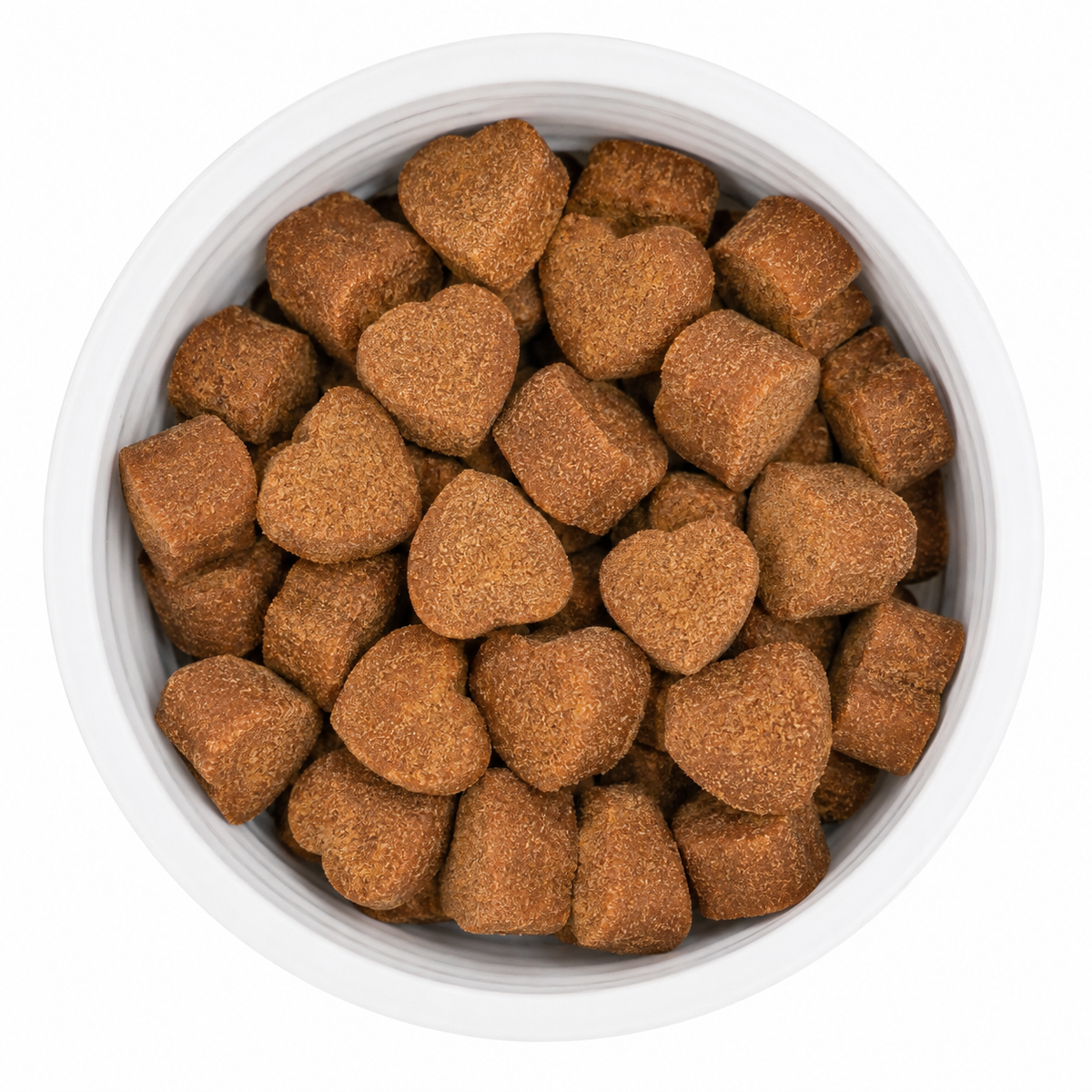
It also helps to consider format. Chews feel easy and rewarding, but they add calories and may not suit every sensitive stomach. Powders mix neatly into food and allow for a low-fuss routine, though a cautious dog may need time to accept a new smell or flavor. There is no universally best format. The best one is the option your dog tolerates well and you can use consistently.
How to Introduce a New Supplement
Even a well-chosen product deserves a gradual start. Begin with a smaller amount than the full daily serving when the label allows, then work up over several days. This gives you a chance to watch for changes in stool, appetite, itching, or behavior.
Keep the rest of your dog's routine steady during the transition. If you introduce a new food, treats, and a supplement all at once, it becomes difficult to know what caused a reaction or what your dog truly likes. For especially sensitive dogs, one new addition at a time is the calmer approach.
Consistency matters more than speed. Dental powders and meal toppers are most useful when they become part of regular feeding. Joint support is also a long-game habit, not a one-day fix before a busy weekend. Set the container near the food bin, use the same scoop, and connect it to a meal you never skip.
Keep an Eye on Weight and Real-Life Results
Small dogs can gain weight quickly, and extra pounds put added pressure on joints while making everyday movement harder. Account for supplement chews and toppers within your dog's overall calorie intake. If you are unsure how much is appropriate, your veterinarian can help you set a target based on body condition rather than relying on the scale alone.
Watch for practical signals rather than expecting dramatic overnight changes. With mobility support, you may notice more willingness to play, climb, or settle comfortably. With dental support, you may notice a fresher mouth alongside regular brushing and dental visits. With a meal topper, the win may simply be calmer, more consistent mealtimes.
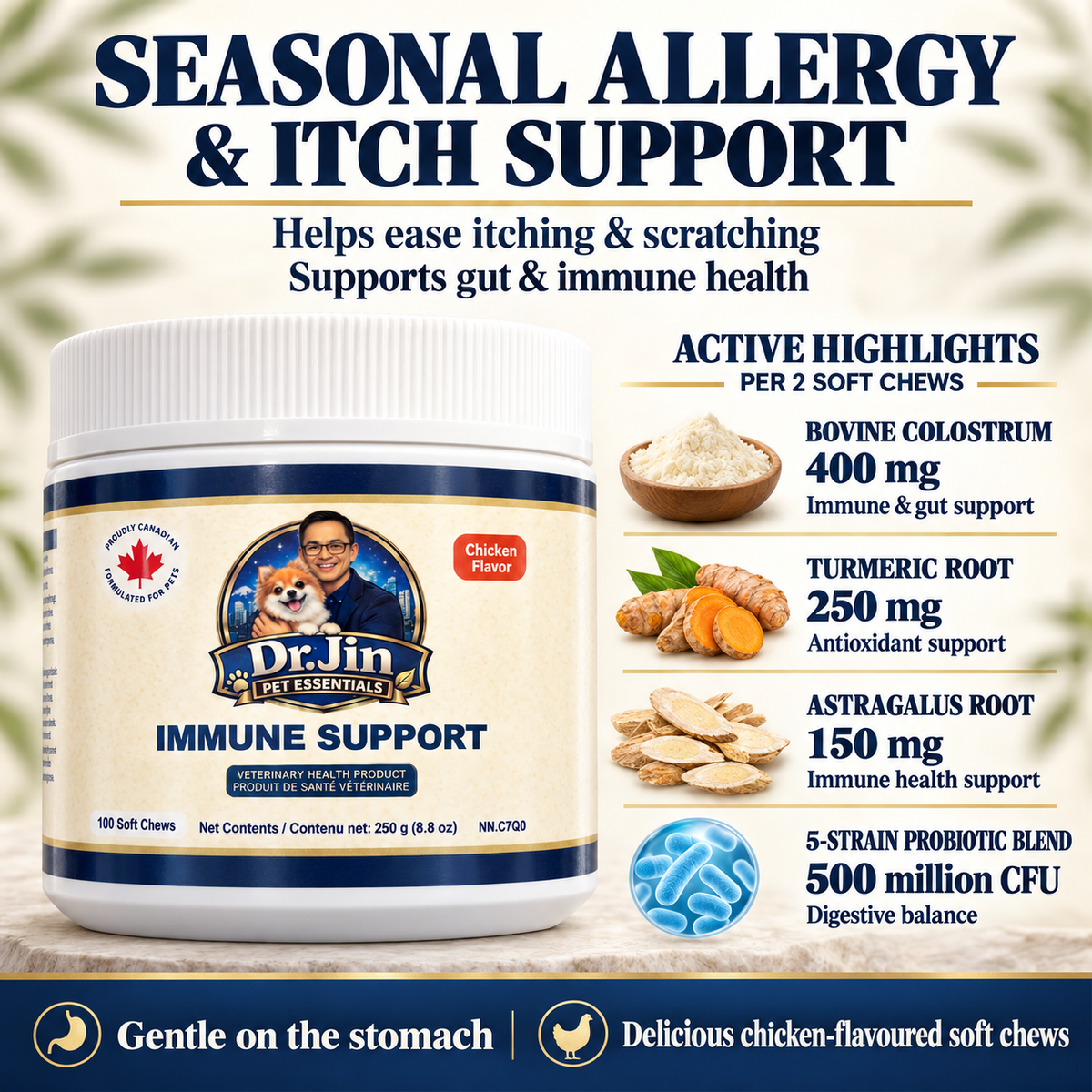
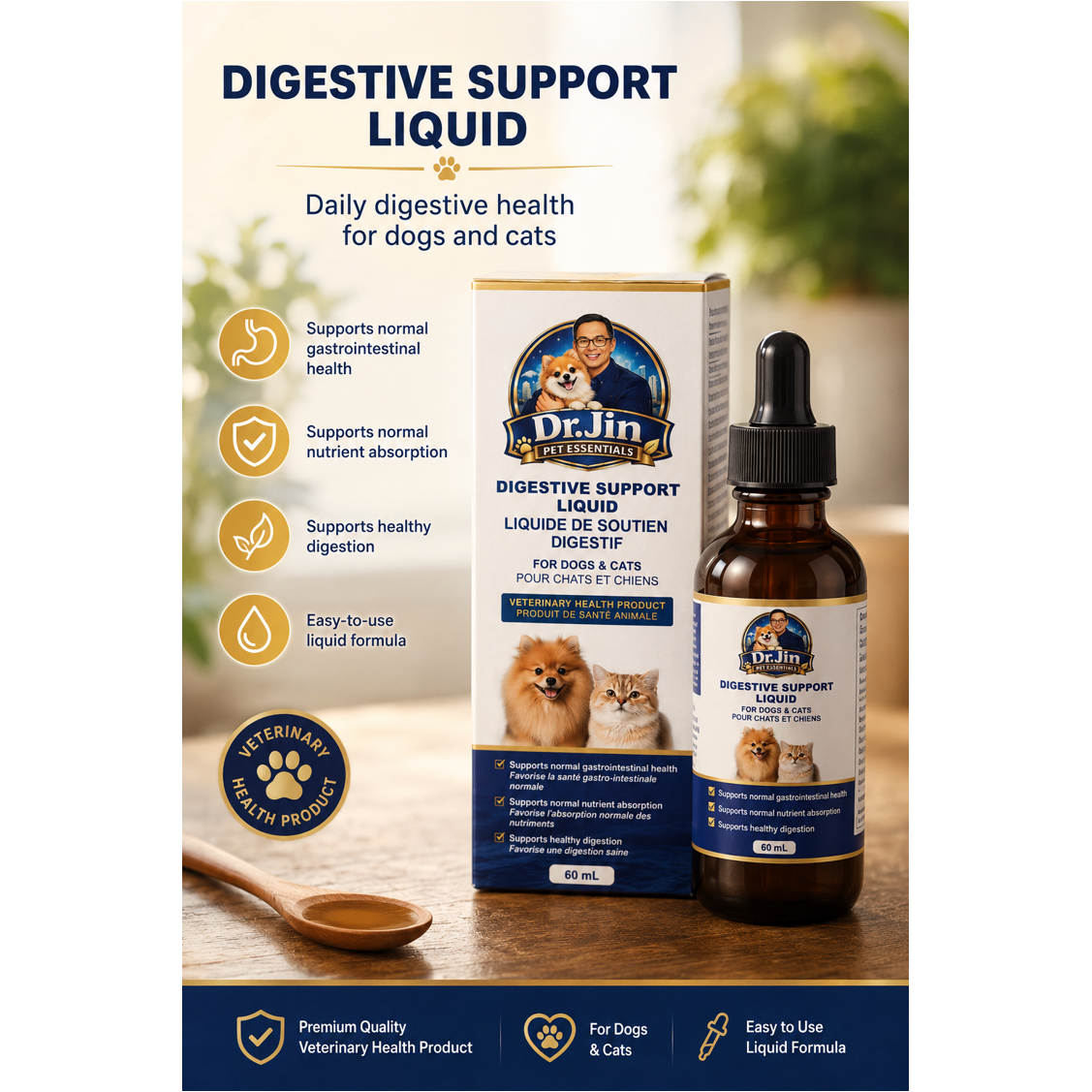
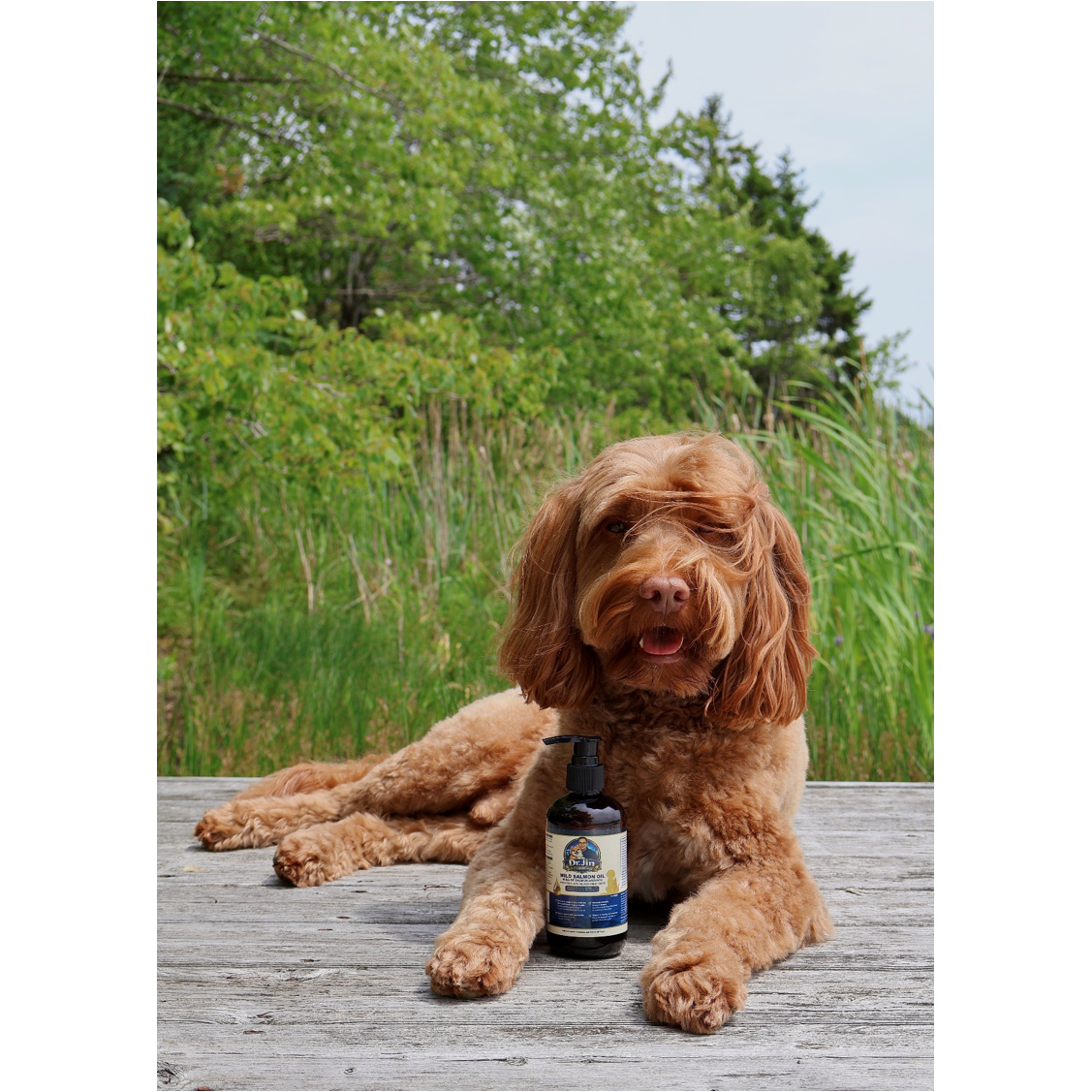
Dr. Jin Pet Essentials keeps this approach simple with purpose-driven daily options that fit naturally into feeding routines. Whether you choose a chew or a sprinkle-on powder, the value comes from choosing the right benefit for your dog and using it as directed.
Your small dog does not need an elaborate wellness plan to be cared for well. Start with the need you can see, introduce one thoughtful product at a time, and let a steady daily ritual do the work of showing your dog they are loved.