




How to Improve Dog Food Palatability
Some dogs inhale dinner before the bowl hits the floor. Others sniff, walk away, and leave you wondering what changed. If you are trying to figure out how to improve dog food palatability, the answer is usually not one dramatic fix. It is a handful of small adjustments that make food smell better, taste better, and feel more appealing at mealtime.
Palatability is really about whether your dog wants to eat what is in the bowl. Smell matters a lot. Texture matters too. Temperature, routine, stress, dental comfort, and even the shape of the kibble can all affect interest in food. That is why a dog who used to eat well can suddenly seem picky, even when the food itself has not changed.
What affects dog food palatability?
Dogs do not experience food the way people do. For most dogs, aroma leads the decision. A meal with a stronger, savory smell often gets a better response than one that is dry, stale, or served cold straight from storage. Texture is the next big factor. Some dogs prefer crunchy kibble, while others are more interested in softer foods or meals with a little moisture.
There is also a difference between true pickiness and a temporary feeding issue. If your dog skips a meal after a stressful day, a schedule change, or a minor upset stomach, that is not the same as ongoing refusal to eat. If your dog shows a sudden drop in appetite, weight loss, vomiting, diarrhea, signs of pain, or trouble chewing, it is smart to check with your veterinarian before assuming the issue is just taste.
For healthy dogs, though, improving palatability often comes down to making the meal more appealing without making feeding complicated.
How to improve dog food palatability at home
The fastest wins are usually the simplest ones. Start with smell and moisture. Dry kibble can be perfectly balanced nutritionally, but it may not be very exciting on its own. Adding a small amount of warm water can help release aroma and soften texture. Let it sit for a minute or two before serving. That little change can make a big difference for dogs who seem bored with dry food.
A flavorful topper is another easy option. Bone broth powder, for example, can add savory taste and aroma while fitting neatly into a daily feeding routine. This works especially well for dogs who need a little encouragement but do not necessarily need a full food change. The key is consistency. If the topper becomes part of the routine, many dogs start approaching meals with more interest.
Mixing wet and dry food can help too, particularly if your dog likes variety in texture. The trade-off is that wet food can be pricier per serving and less convenient for some households. If cost or storage is a concern, a measured meal topper can offer a similar boost with less mess.
Warm food slightly, but do it carefully
Temperature changes aroma. Serving food slightly warm, not hot, can make it smell stronger and more appetizing. This is especially useful for refrigerated wet food or food that seems bland at room temperature. If you warm food, stir it well and check that there are no hot spots.
A good rule is to make food comfortably warm, never steaming. You want the smell to come forward, not to cook the meal or make it unsafe.
Freshness makes a bigger difference than many owners expect
Kibble loses appeal when it sits open too long or is stored poorly. Oils can go stale, and the aroma that attracts your dog fades over time. Keep dry food in a sealed container, ideally in its original bag inside the container to help preserve lot and expiration details. Buy a bag size your dog can finish in a reasonable period rather than the biggest option just for value.
If your dog became picky halfway through a large bag, freshness may be part of the issue. That does not always mean the food is bad, but it may be less appealing.
Choose toppings that support more than taste
If you are adding something to improve flavor, it makes sense to choose an option that also supports daily wellness. That is where functional meal add-ons can be especially useful. A topper that improves mealtime interest while also supporting hydration, mobility, or overall nutrition gives you more value from the routine you are already building.
This is one reason many pet parents prefer simple meal enhancements over constant food switching. Switching foods too often can create digestive issues or teach a dog to hold out for something new. A consistent base diet with a targeted topper is often a more stable approach.
For example, a beef bone broth powder topper can make meals smell richer and taste better while also feeling easy to use day after day. That kind of convenience matters, especially when you are feeding a picky dog and do not want mealtime to become a project.
When texture is the real issue
Some dogs are not rejecting flavor. They are rejecting feel. Puppies, seniors, and dogs with dental discomfort may struggle with hard kibble even if they still want to eat. In those cases, softening food with warm water or broth can improve acceptance quickly.
Small dogs can be especially sensitive to kibble size and hardness. If the pieces are awkward to chew, they may lose interest before they finish the meal. Sometimes the better move is not adding more flavor but adjusting food form. Softer meals, smaller kibble, or a mixed texture can all help.
This is where observation matters. If your dog licks the topper but leaves the kibble, the issue may be texture. If your dog sniffs and walks away entirely, aroma may be the bigger problem.
Feeding habits can change palatability too
A dog that gets too many treats, table scraps, or random snacks throughout the day may seem picky at mealtime because the bowl is no longer the most rewarding option. This is common in loving households where sharing food feels harmless. The result is often a dog that waits for something better.
A more structured routine usually helps. Feed at regular times, offer the meal, and pick it up after a reasonable window if your dog is healthy and your vet has no concerns. That creates clearer expectations around eating. It also helps you see whether the issue is true disinterest or just grazing behavior.
Try not to change three things at once. If you warm the food, add a topper, switch brands, and hand-feed a few bites, you will not know what actually worked. Make one or two smart changes, give your dog a few days, and watch the response.
How to improve dog food palatability without overdoing it
It is easy to turn picky eating into a pattern. If every skipped meal leads to a buffet of extras, some dogs learn to wait for upgrades. Improving palatability should make meals more appealing, not create a constant negotiation.
The sweet spot is a routine that feels better to your dog but still feels simple to you. That might mean adding warm water daily, using a measured broth topper, or combining a small amount of wet food with kibble. What matters is that the approach is sustainable.
If you use toppers or supplements, portion them consistently. Too much of a good thing can upset digestion or throw off calorie balance. Benefit-driven products work best when they are easy to use and matched to a clear purpose, whether that is meal enhancement, joint support, or oral care.
When it may be time to look beyond the bowl
If your dog has ongoing bad breath, chewing changes, drooling, pawing at the mouth, or reluctance to eat hard food, palatability may not be the core issue. Dental discomfort can make even favorite foods less appealing. The same goes for nausea, medication changes, or underlying health concerns.
That does not mean every picky phase is serious. But if the pattern is persistent, a health check is worth it. Better appetite often starts with better comfort.
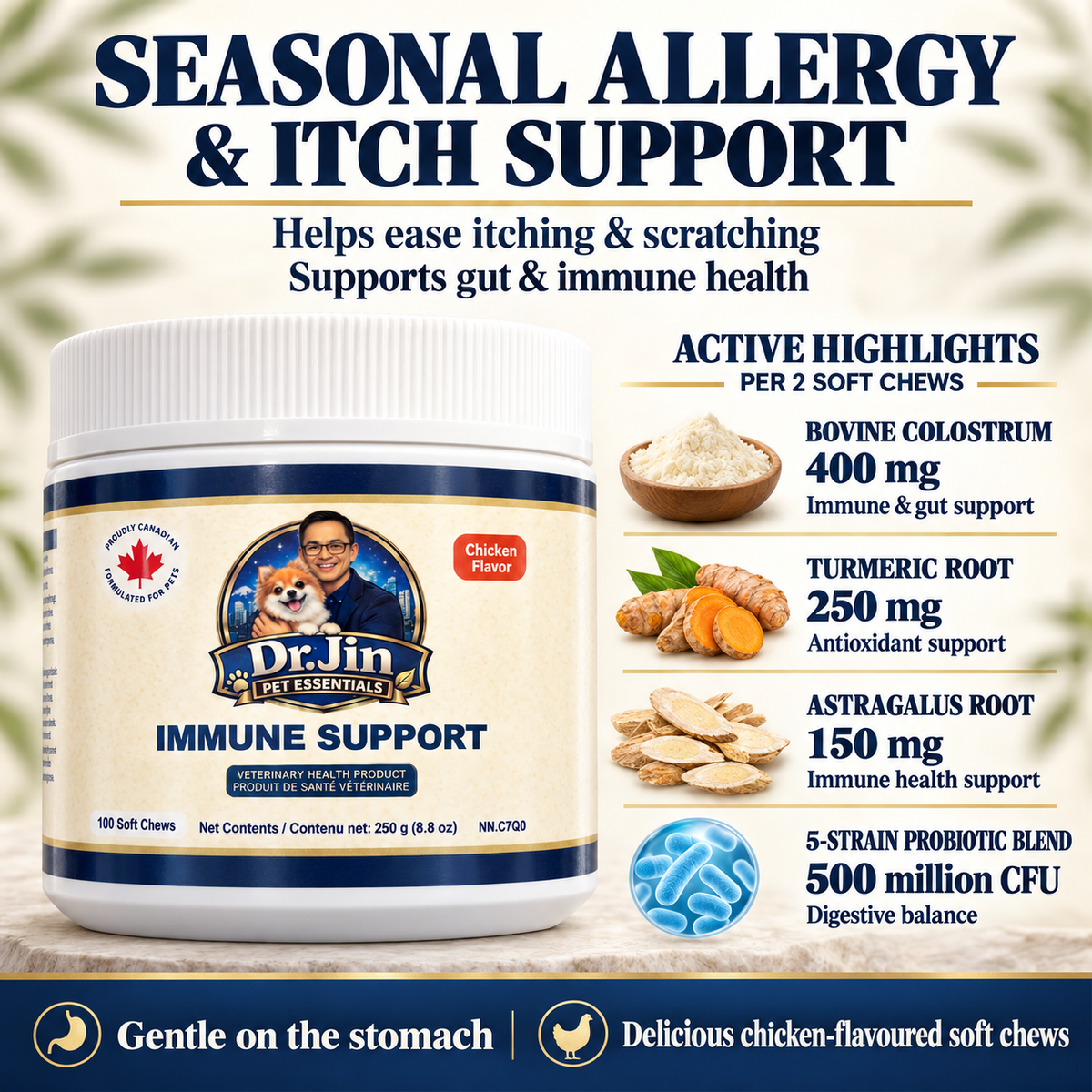
For many healthy dogs, though, mealtime improvement is refreshingly practical. Stronger aroma, better texture, fresher food, and a simple functional topper can shift the whole experience. Dr. Jin Pet Essentials is built around that kind of everyday support - small additions that fit naturally into feeding routines and help dogs feel better cared for without adding complexity.
A more appealing bowl does not have to be fancy. It just has to make sense for your dog, your routine, and the way you want daily care to feel.