







A dog who paces when the doorbell rings, shakes during a thunderstorm, or shadows you from room to room is not being difficult. They may be overwhelmed. Thoughtful dog anxiety management focuses on helping your dog feel safe, building predictable routines, and getting the right support when stress is affecting daily life.
The goal is not to make every dog fearless. Many dogs will always prefer quiet spaces or need extra help around unfamiliar people, loud sounds, or time alone. The goal is to lower their stress enough that they can rest, eat, learn, and enjoy life with you.
Dog Anxiety Management Starts With the Pattern
Anxiety can look different from one dog to another. A normally friendly dog may suddenly hide when visitors arrive. Another may bark, pull, chew furniture, or have accidents only when left alone. These behaviors can be frustrating, but punishment usually adds more stress instead of teaching a dog how to cope.
Watch for patterns rather than judging one isolated moment. Keep a simple note on when the behavior happens, what occurred just before it, and how long it lasts. This can help you identify whether your dog is reacting to separation, noises, car rides, unfamiliar dogs, changes at home, or something else.
Common signs of anxiety include:
- Pacing, trembling, panting, or drooling when it is not hot
- Hiding, freezing, clinginess, or difficulty settling down
- Repeated barking, whining, howling, or scratching at doors
- Destructive chewing, digging, or indoor accidents during stressful events
- Refusing food, treats, or favorite activities in specific situations
A sudden change matters. If your dog becomes anxious out of nowhere, seems uncomfortable when moving, loses appetite, or shows new aggression, schedule a veterinary visit. Pain, hearing or vision changes, skin discomfort, and other health concerns can show up as behavior changes.
Build a Daily Routine Your Dog Can Trust
Predictability is one of the simplest forms of support you can offer. Dogs do not need every minute planned, but regular cues help them understand what comes next. Consistent meal times, walks, potty breaks, rest periods, and bedtime can make the day feel less uncertain.
Start with the basics: make sure your dog has enough sleep, appropriate exercise, and quiet time. An under-stimulated dog may be restless, while an over-exercised or overtired dog can also struggle to settle. The right balance depends on age, breed, health, and personality. A young working breed may need structured activity and training games, while a senior dog may benefit more from gentle walks and comfortable recovery time.
Create a calm spot that belongs to your dog. This might be a crate they already enjoy, a bed in a low-traffic room, or a corner with a blanket and a familiar chew. Keep this area positive. Do not send your dog there as punishment, and do not force them to stay there when they are scared.
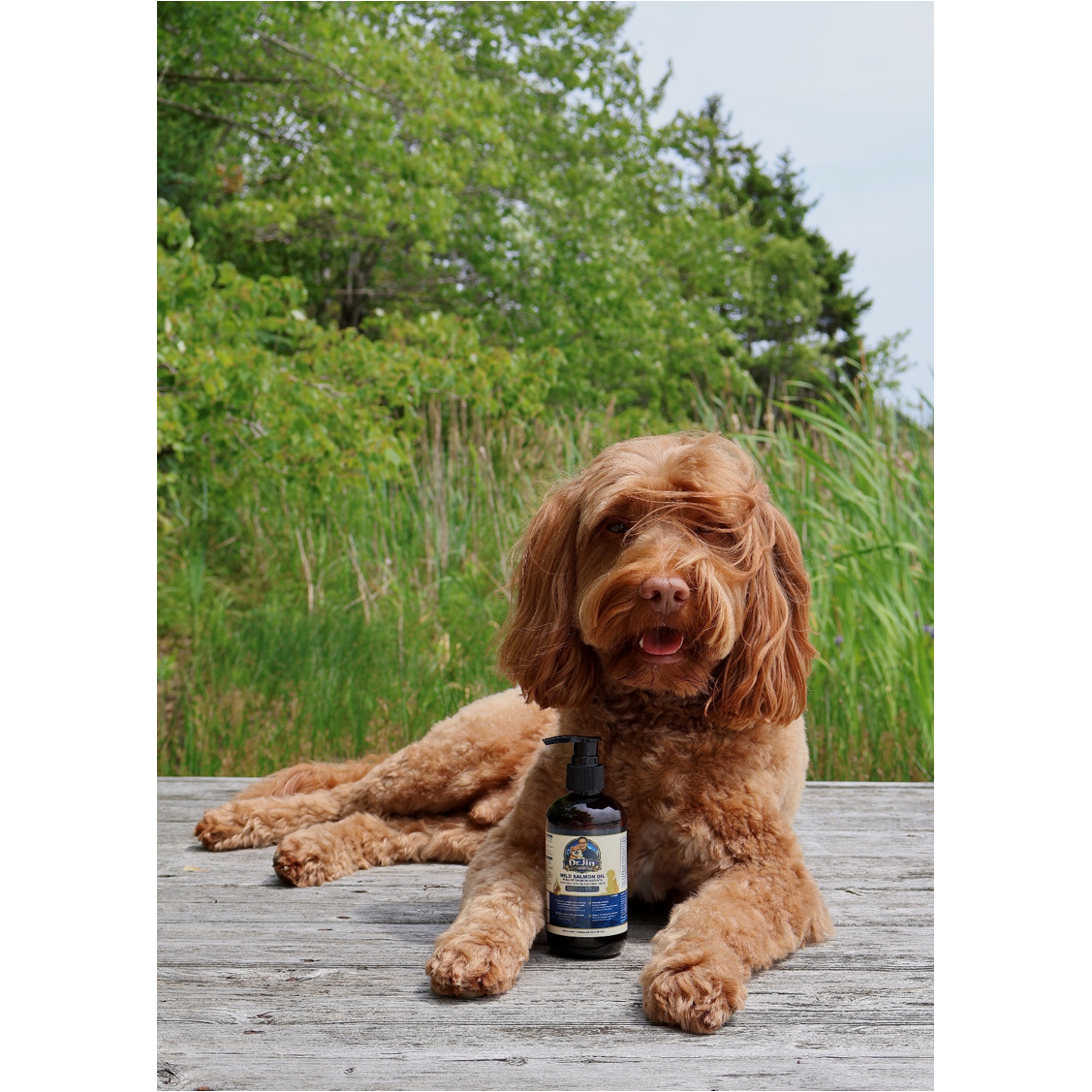
Daily feeding can support this sense of routine, too. If your dog enjoys a consistent meal ritual, keep it simple and familiar. A favorite food topper can make mealtime feel especially positive for picky eaters, but it should not be presented as a treatment for anxiety. If your dog already loves a daily topper from Dr. Jin Pet Essentials, serving it at the same time and place each day can be one small, reassuring part of their routine.
Use Gentle Training, Not Forced Exposure
Many well-meaning pet parents try to help by exposing a worried dog to the thing they fear until they “get used to it.” This can backfire. A dog who is already over their comfort threshold may panic, and repeated panic can make the fear stronger.
Instead, use gradual exposure paired with something your dog genuinely enjoys. If your dog worries about the vacuum, begin with it turned off in another room. Offer treats, praise, or a simple game while your dog notices it from a safe distance. Over several short sessions, you may progress to moving it, then briefly turning it on far away. If your dog stops taking treats, stiffens, or tries to escape, the step is too difficult. Go back to an easier version.
This approach takes patience, but it teaches a more useful lesson: scary or unfamiliar things can predict good experiences. Keep sessions short and end before your dog becomes overwhelmed. A few successful minutes are more valuable than one long, stressful attempt.
For separation concerns, practice tiny departures when your dog is relaxed. Pick up your keys, then sit back down. Step outside for a few seconds, then return calmly. Build time slowly. Avoid dramatic goodbyes or excited reunions, which can make departures feel like a major event.
Match Support to the Trigger
Anxiety management works best when the support fits the situation. A dog frightened by storms may need a quiet interior room, closed curtains, soft background sound, and a long-lasting food toy before the weather begins. A dog nervous around guests may do better behind a baby gate with their bed, water, and something pleasant to chew rather than being expected to greet everyone.
For car anxiety, begin by helping your dog feel comfortable near the parked car. Later, sit together inside without driving. Short, low-pressure rides can come after that. A secure travel harness or crate may help some dogs feel steadier, while others prefer a covered carrier. Safety should always come first.
Dogs who react on walks often need more distance, not more correction. Cross the street, turn down a quieter route, or walk at times when fewer dogs and people are out. Giving your dog room to observe without feeling trapped can prevent a stressful reaction before it starts.
Know When to Call Your Veterinarian
Home routines and gentle training are valuable, but some dogs need more support. Reach out to your veterinarian if anxiety is frequent, intense, worsening, or causing injury, weight loss, sleep disruption, or damage at home. Ask about behavior-focused training, referrals to qualified behavior professionals, and whether medical treatment may be appropriate.
Medication can be a useful tool for some dogs, especially those with severe separation distress, noise phobias, or anxiety that prevents learning. It is not a failure and should not be viewed as a shortcut. When prescribed and monitored by a veterinarian, it can lower distress enough for training and routine changes to have a real chance to work.
Be cautious with products marketed as quick fixes. Even supplements and calming aids should be discussed with your veterinarian if your dog takes medication, has a medical condition, is pregnant, or has had previous reactions to ingredients. Natural does not automatically mean right for every dog.
Give Progress Time to Take Hold
A calmer dog is often built through small, repeatable moments: a quieter walk, a successful two-minute departure, a nap in their safe space, or a thunderstorm handled with less shaking than last time. Progress is rarely a straight line, particularly after a move, a new family schedule, illness, or a stressful event.
Keep your expectations kind and realistic. Your dog does not need to love crowded patios, busy dog parks, or every visitor who enters your home. When you notice what helps them feel secure and repeat it consistently, you give them something far more valuable than a perfect behavior record: the confidence that they are safe with you.
Related Examples
Royal Pom™ Calming Chews for Dogs 100 Soft Chews