


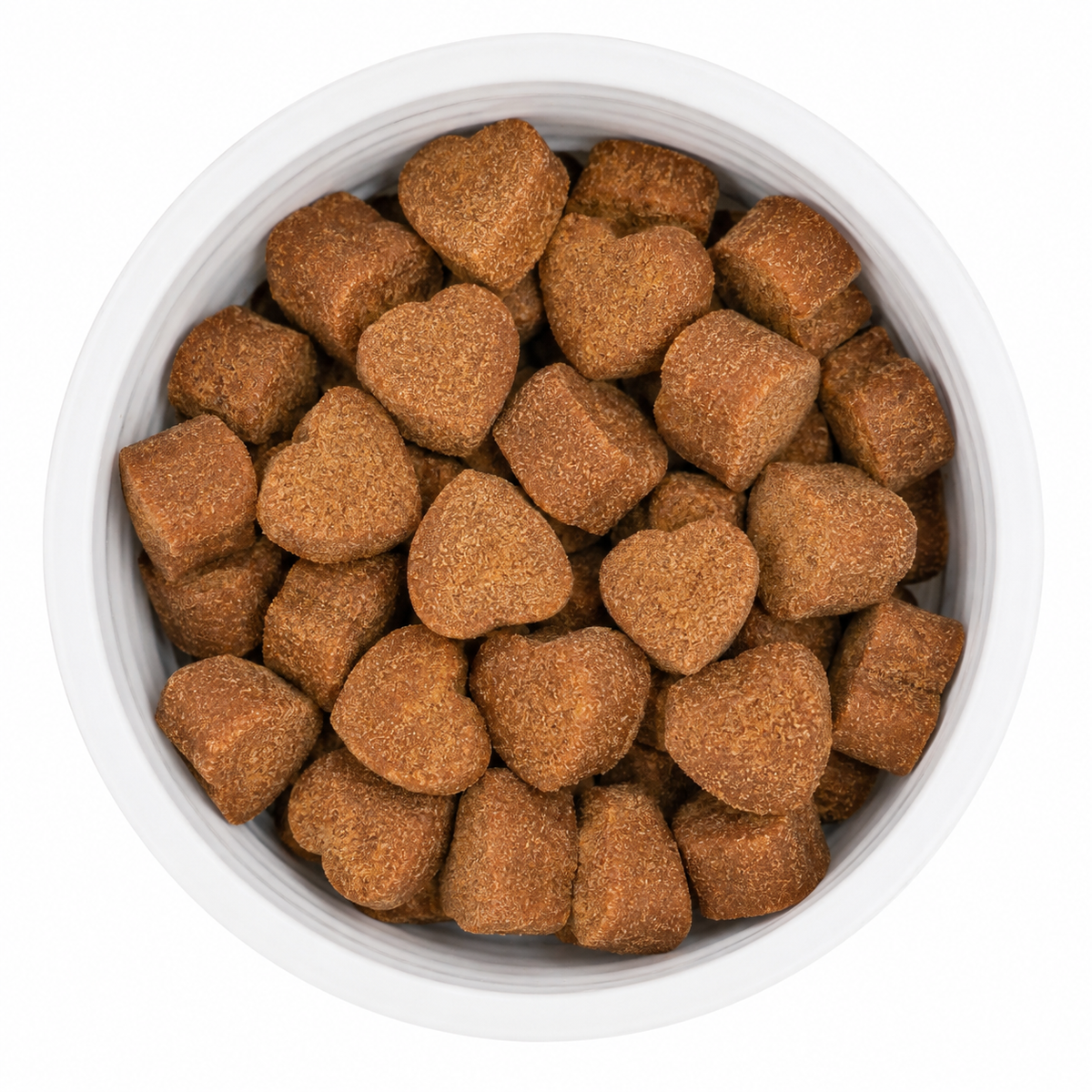




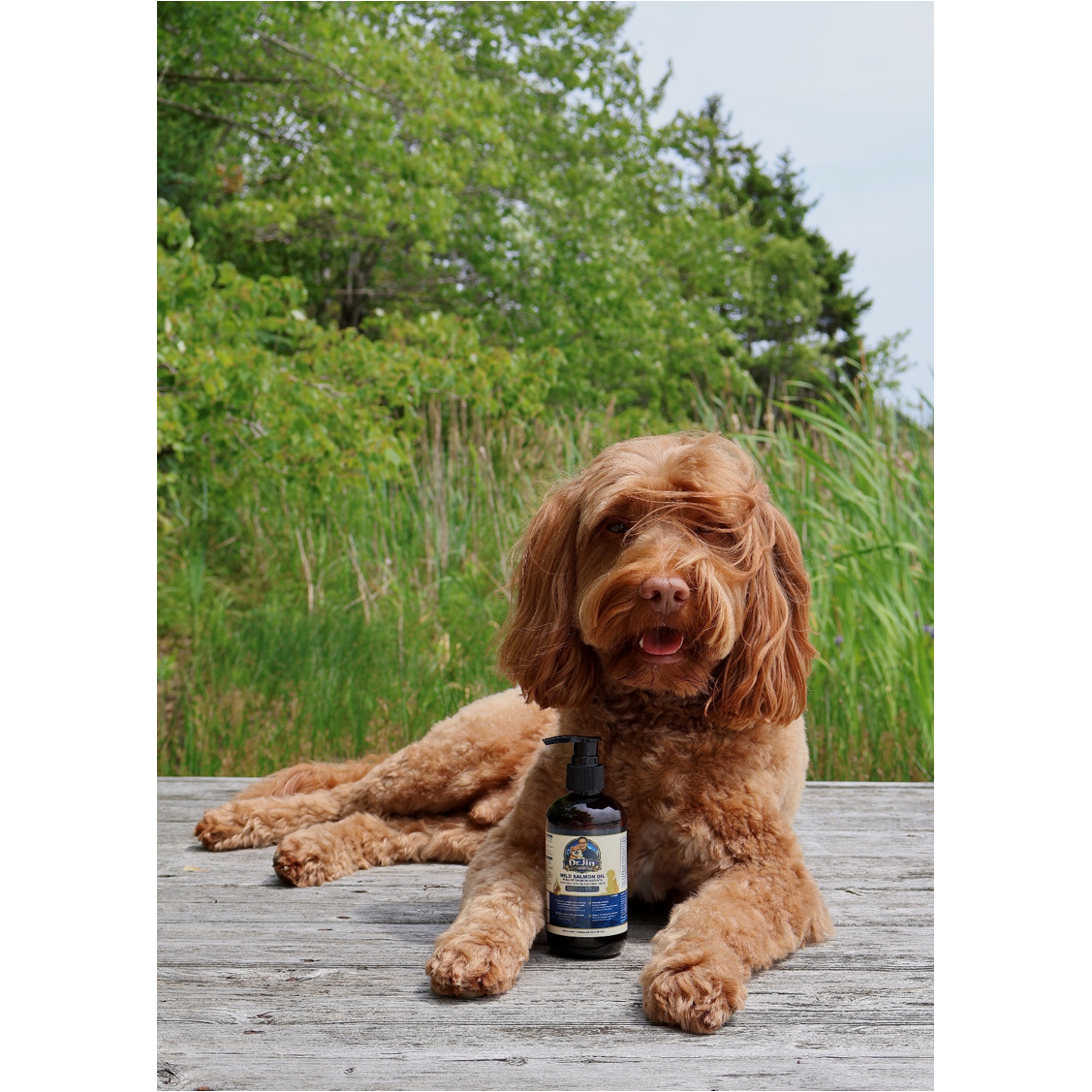

A bowl that suddenly goes untouched. Breath that makes cuddle time less pleasant. Hesitation before the stairs after a favorite walk. These small moments are often where pet wellness becomes real for pet parents. Better care is rarely one dramatic change. It is the steady set of choices that supports how your dog or cat eats, moves, rests, and feels from one day to the next.
The goal is not to turn your home into a clinic or add a complicated routine to an already busy schedule. It is to notice what your pet needs, keep the basics consistent, and choose focused support when it makes sense.
What Pet Wellness Looks Like at Home
Pet wellness is the everyday practice of helping your pet maintain a healthy, comfortable quality of life. Food matters, but so do hydration, activity, dental habits, mental stimulation, regular veterinary care, and attention to behavior changes. A pet who is eating, moving, and engaging normally gives you a useful baseline. When that baseline shifts, you can respond sooner instead of waiting for a bigger problem.
For many households, prevention is about building easy habits before a concern becomes disruptive. That may mean adding a flavorful topper to encourage a picky eater, making oral care part of the feeding routine, or starting joint-focused support before an active dog begins showing more obvious stiffness. There is no one routine that fits every pet. Age, size, breed, activity level, diet, and health history all shape what is most helpful.
Wellness products can be a practical part of that routine, but they are not a replacement for veterinary care. If your pet has sudden changes in appetite, energy, mobility, bathroom habits, or breathing, contact your veterinarian. Supplements and daily add-ons work best as supportive tools alongside appropriate professional guidance.
Start With the Routine Your Pet Already Has
The easiest wellness plan is the one you can actually maintain. Instead of introducing five new changes at once, look at the moments already built into your day: breakfast, dinner, walks, playtime, grooming, and bedtime. These are natural opportunities to support your pet without making care feel like another major task.
Mealtime is especially useful because it happens consistently. A beef bone broth powder meal topper, for example, can bring extra flavor and variety to a regular meal while fitting into a simple scoop-and-serve routine. For dogs who are selective about food, an appealing topper may make meals more enjoyable. For pets with dietary sensitivities or health conditions, though, any new product should be reviewed with a veterinarian first.
Consistency matters more than perfection. Missing an occasional day does not erase good care, but switching products constantly or adding too many ingredients at once can make it difficult to tell what is working. Introduce one new item gradually, follow serving directions, and watch how your pet responds.
Make meals more than calories
A complete, balanced diet should remain the foundation of your pet's nutrition. Wellness add-ons are there to complement that foundation, not crowd it out. Keep treats, toppers, and supplements appropriate for your pet's overall calorie needs, especially if weight management is a concern.
The best meal routine is also one your pet enjoys. Fresh water, measured portions, and a calm place to eat can make a meaningful difference. If your dog or cat loses interest in food for more than a brief period, do not assume picky eating is the only explanation. Appetite changes deserve attention, particularly in cats.
Mobility Support Is About Everyday Comfort
Joint care is not only for senior dogs. Large breeds, very active dogs, dogs who jump frequently, and pets with a family history of mobility concerns may benefit from a conversation with their veterinarian about proactive support. Small and extra-small dogs deserve the same attention, too. Their size does not make repeated jumping off furniture or navigating stairs any easier on their bodies.
You may notice early mobility changes in ordinary moments: taking longer to rise after a nap, avoiding the car, pausing at the stairs, or choosing shorter play sessions. These signs can have many causes, so persistent changes should be assessed by a veterinarian. Still, they are a helpful reminder that comfort is part of wellness, not an afterthought.
Joint supplements often feature recognizable ingredients such as glucosamine, chondroitin, MSM, and collagen. These ingredients are commonly chosen to support joint health and everyday mobility. A chew format can be particularly convenient because it feels familiar to dogs and is easy to offer as part of a daily routine.
Support works best alongside sensible movement. Regular walks, gentle play, a healthy body weight, and surfaces with good traction all help dogs move with more confidence. High-impact activity may not be right for every dog, especially one already showing discomfort. The right amount of activity depends on the individual pet.
Dental Care Belongs in Pet Wellness, Too
Dental care is easy to postpone because tartar builds gradually and bad breath can become familiar. But persistent unpleasant breath should not be treated as a normal part of having a pet. It can be a sign that your dog's mouth needs more attention.
Brushing remains a valuable standard for at-home dental care, yet many pet parents know that daily brushing is not always realistic. A dental powder added to food can be a convenient way to support fresher breath and help address tartar as part of a broader oral care routine. It is especially useful for dogs who resist a toothbrush, though it does not replace dental exams or professional cleanings when those are needed.
Take a quick look in your pet's mouth when you can. Red gums, visible buildup, drooling, chewing on one side, dropping food, or reluctance to eat can all warrant a veterinary call. Oral discomfort can affect much more than breath - it can make a pet less comfortable at every meal.
Watch the Whole Pet, Not Just One Symptom
A great wellness routine includes observation. You know your pet's normal habits better than anyone else: their favorite sleeping spot, usual appetite, play style, water intake, and enthusiasm at the door. Small changes are useful information.
Keep an eye on body condition as well as the number on the scale. Extra weight can put more pressure on joints and make exercise harder, while unexplained weight loss can signal an issue that needs evaluation. Your veterinarian can help you determine an appropriate body condition and feeding plan for your pet.
Behavior is part of the picture, too. A normally social cat hiding more often or a cheerful dog becoming irritable may be communicating stress or discomfort. Wellness is not just a shiny coat or a clean bowl. It is the ability to rest, play, eat, and interact comfortably in daily life.
Build a Routine That Can Grow With Them
Puppies and kittens need foundational nutrition, safe socialization, and preventive veterinary care. Adult pets often benefit from consistency: steady activity, regular dental attention, and meals that support their lifestyle. As pets age, their routines may need more thoughtful adjustments around mobility, calorie needs, comfort, and checkups.
That does not mean every pet needs every product. Focused choices are often the smartest ones. A dog with bad breath may need oral-care support. A dog slowing down after activity may be a candidate for a joint-focused routine after veterinary input. A picky eater may respond well to a flavorful meal enhancement. Choosing by need helps keep wellness practical and easy to sustain.
Dr. Jin Pet Essentials is built around that simple idea: targeted daily support should fit naturally into the care you already give. When a product has a clear purpose and an easy format, it is easier to stay consistent with the habits that matter.
Your pet does not need a perfect routine to benefit from better care. Start with one manageable habit at the next meal, walk, or cuddle session. Pay attention, stay consistent, and let their everyday comfort guide what comes next.