





The best wellness plan is the one you can repeat on a busy Tuesday. An easy dog wellness routine does not need a cabinet full of complicated products or an hour of extra chores. It starts with a few consistent moments already built into your day: filling the bowl, taking a walk, offering affection, and noticing what feels different.
For most dogs, daily care works better when it is simple, specific, and connected to a real need. A senior dog who hesitates on the stairs may benefit from a mobility-focused routine. A small dog with less-than-fresh breath may need more attention to oral care. A picky eater may be more interested in a meal that smells and tastes appealing. The goal is not perfection. It is giving your dog steady support while making changes you can actually maintain.
Start with the routines you already have
Dogs thrive on predictability, and pet parents do too. Rather than adding wellness tasks at random times, pair them with habits that already happen every day. Morning feeding can become the time for a meal topper or daily supplement. The first walk can include a quick check of your dog's energy and comfort. Evening cuddles are a natural moment to notice their breath, coat, paws, or any tenderness they may show when being handled.
This approach keeps care from feeling like another item on a long to-do list. It also makes it easier to remember what you have given and when. If more than one person cares for your dog, agree on a simple plan so supplements are not missed or doubled.
A reliable routine usually has four everyday anchors:
- nourishing meals and fresh water
- comfortable movement suited to your dog's age and ability
- regular oral-care attention
- quick observations that help you spot changes early
Make mealtime do more for your dog
Mealtime is often the easiest place to support everyday wellness because it is already part of the schedule. Keep your dog's main food appropriate for their life stage and follow feeding portions based on their individual needs, body condition, and veterinarian's guidance. Fresh, clean water should always be available, especially for dogs who are active, eat dry food, or live in warm climates.
If your dog is bored with their bowl or needs a little extra encouragement, a flavorful topper can make meals more appealing. Beef bone broth powder, for example, can be mixed into food or water as a convenient meal enhancement. It is a practical option for pet parents who want to add variety without creating a separate cooking routine.
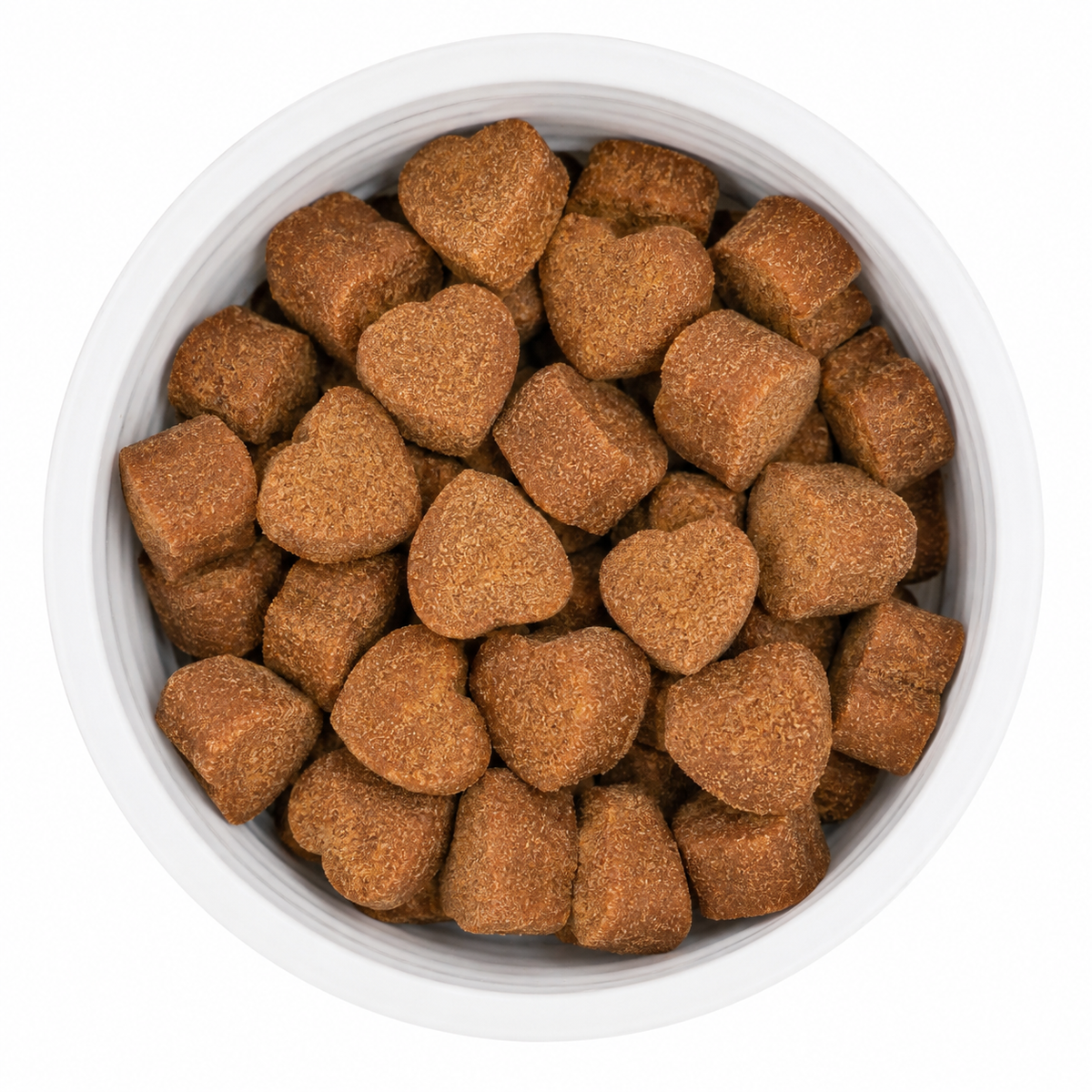
For dogs with mobility needs, daily joint-support chews can fit naturally alongside breakfast or dinner. Familiar ingredients such as glucosamine, chondroitin, MSM, and collagen are commonly chosen to support joint health and comfortable movement. These products are most useful when given consistently according to the package directions, not only after a big hike or a day when your dog seems stiff.
Keep additions focused. Introducing several new products at once can make it difficult to tell what agrees with your dog. Start with one need, such as meal interest, joint support, or dental care, and give your dog time to adjust. If your dog has a medical condition, takes medication, is pregnant, or has a history of food sensitivities, check with your veterinarian before adding a supplement.
Keep movement comfortable, not complicated
Exercise is not just about tiring your dog out. Regular movement supports muscle strength, mental stimulation, digestion, and a healthy weight. Still, more is not always better. A dog who is young and athletic may enjoy longer walks, training games, and active play, while an older dog may do best with shorter, more frequent outings on even surfaces.
Watch how your dog moves before, during, and after activity. Lagging behind, struggling to rise, reluctance to jump, limping, or unusual panting are signals worth taking seriously. They do not automatically mean there is a major problem, but they are good reasons to reduce intensity and speak with your veterinarian if the behavior continues.
Small dogs need movement too, even when they are easy to carry. A few short walks, gentle indoor play, and chances to sniff and explore can go a long way. Use stairs, jumping from furniture, and rough play thoughtfully if your dog has known joint concerns. Comfort is the priority.
Give dental care a place in the day
Bad breath is easy to dismiss, but a consistently unpleasant odor can be a sign that your dog's mouth needs more attention. Plaque and tartar can build up over time, particularly in small and extra-small dogs. Daily brushing is the gold standard for at-home dental care, but many dogs need a gradual introduction to having their mouths handled.
Begin with short, calm sessions. Let your dog get used to a dog-safe toothpaste, finger brush, or toothbrush, then build up slowly. Never use human toothpaste, which may contain ingredients that are unsafe for dogs. Even a few seconds of cooperative practice can be a positive step.
A dental powder is another easy option for supporting daily oral care because it can be added directly to food. It may be especially helpful for households that want a simple feeding-based habit to complement brushing and professional dental care. It is not a replacement for veterinary dental exams or treatment for painful teeth, inflamed gums, bleeding, loose teeth, or difficulty eating.
Use quick check-ins to catch small changes
You know your dog better than anyone. A 30-second check-in each day can help you notice changes before they become easy to overlook. While your dog eats, walks, or settles down at night, pay attention to appetite, water intake, stool, energy, breath, mobility, scratching, and mood.
You do not need to monitor every detail obsessively. Think of it as learning your dog's normal. Once you know their usual pace on walks, enthusiasm for meals, and behavior at home, changes stand out more clearly. A simple note on your phone can be useful if you are tracking a new supplement, recurring digestive upset, or a change in activity.
Schedule routine veterinary visits, keep vaccines and parasite prevention current based on your veterinarian's recommendations, and ask about body condition at checkups. Preventive care works best as a partnership: your daily observations at home combined with professional guidance when something changes.
Build an easy dog wellness routine that lasts
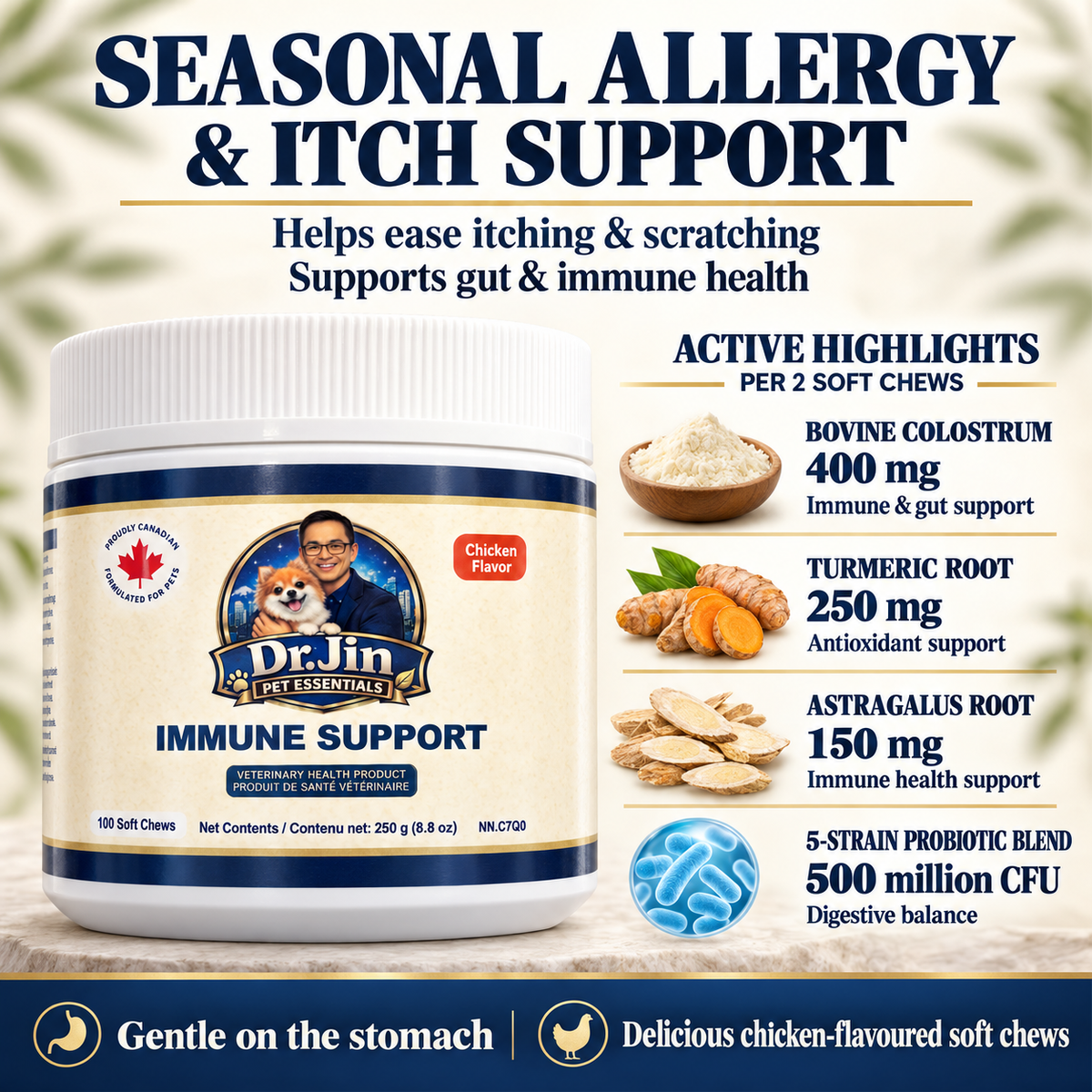
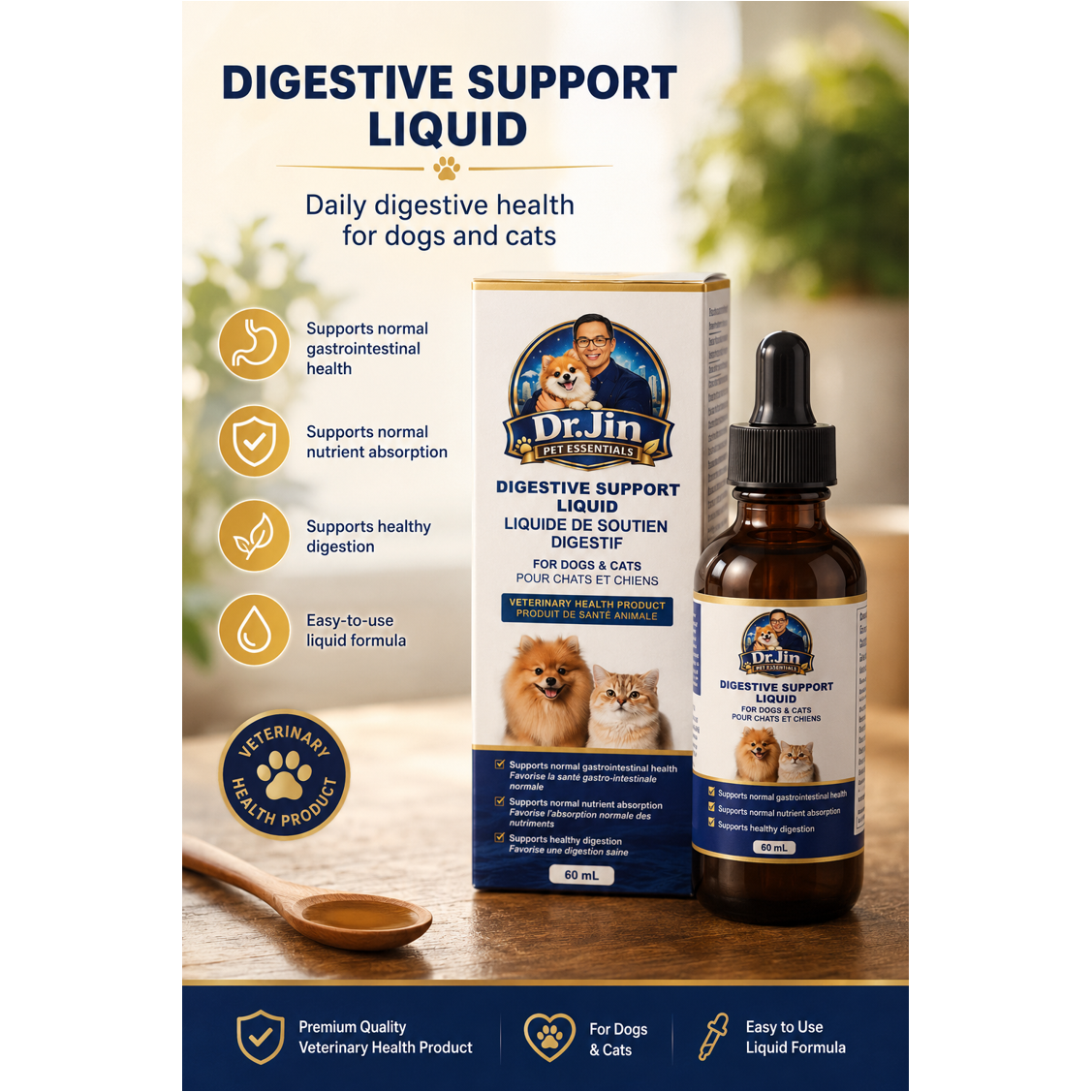
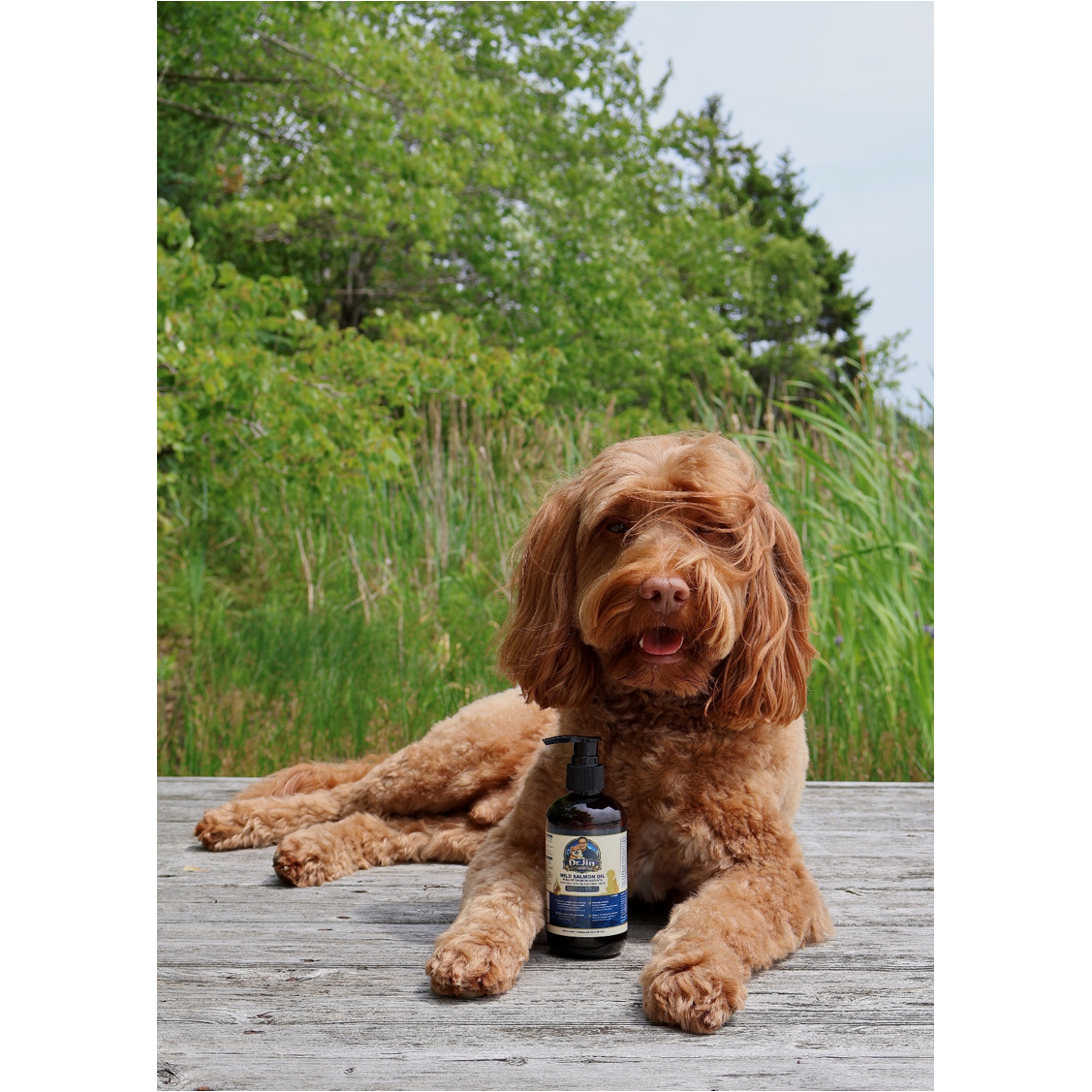
A successful routine should feel reassuring, not restrictive. Choose one or two habits that match your dog's current needs, attach them to feeding or walking, and stay consistent long enough to see how your dog responds. Dr. Jin Pet Essentials is built around this kind of practical care, with targeted daily add-ons designed to fit into familiar routines.
Your dog does not need a complicated wellness calendar to feel cared for. A better bowl, a comfortable walk, a cleaner mouth, and your attention each day can become a meaningful expression of the life you share.