





A dog who suddenly turns away from breakfast, has unreliable stools, or seems gassier than usual can make every mealtime feel like a question mark. Knowing the signs dogs need probiotics can help you spot when their digestive routine may need extra support - without assuming every upset stomach has the same cause.
Probiotics are beneficial live microorganisms that can support a healthy balance of bacteria in the gut. For some dogs, they may be a useful addition after a routine disruption or during occasional digestive sensitivity. But they are not a replacement for veterinary care, a consistent diet, or a diagnosis when symptoms are severe or ongoing.
7 Signs Dogs Need Probiotics
1. Their stools are often soft or inconsistent
Healthy dog stool is generally formed, easy to pick up, and fairly consistent from day to day. An occasional soft stool can happen after an exciting weekend, a new treat, or a little too much table food. The bigger signal is a pattern: stools that frequently shift from normal to loose, look mushy, or are difficult to clean up.
A probiotic may help support normal digestive balance in dogs with occasional stool irregularity. Still, repeated diarrhea, black or bloody stool, straining, or diarrhea paired with vomiting calls for a veterinarian promptly. Those signs can point to concerns that a supplement should not be asked to solve.
2. They have noticeable gas after meals
A little gas is part of life with a dog, especially for fast eaters and enthusiastic treat testers. Persistent, unusually smelly gas is different. It may suggest that food is not agreeing with your dog, that they are eating too quickly, or that changes in their gut microbiome are affecting digestion.
Before reaching for any supplement, look at the basics. Did you recently switch foods? Are multiple people in the household offering treats? Is your dog getting into the trash or sampling rich human foods? A slow, steady feeding routine matters as much as the add-ons you choose.
3. A food change threw off their routine
Changing food too quickly is one of the most common reasons a dog’s digestion gets unsettled. Even a high-quality recipe can lead to gas, soft stool, or a reduced appetite when the transition happens overnight. Dogs with sensitive stomachs may need a gradual transition over about seven to 10 days, sometimes longer with veterinary guidance.
This is one situation where probiotics may be worth discussing with your veterinarian. They can be a practical way to support digestive balance while your dog adjusts, but the new food should still be introduced slowly. More products at once do not necessarily mean better results.
4. Stress seems to affect their stomach
Boarding, travel, houseguests, moving, fireworks, grooming appointments, and changes in the household can all affect a dog’s digestion. Some dogs show stress in obvious ways, such as pacing or hiding. Others show it through a skipped meal, extra gas, or a temporary change in stool.
For dogs whose stomachs seem sensitive during predictable disruptions, a consistent wellness routine can be helpful. Keep meals familiar, avoid introducing rich treats during travel, provide fresh water, and ask your veterinarian whether a canine probiotic fits your dog’s needs. The goal is support, not adding another source of change during an already stressful time.
5. They recently took antibiotics
Antibiotics can be necessary and valuable when prescribed by a veterinarian, but they may also affect beneficial bacteria in the digestive tract. Some dogs experience loose stool or digestive discomfort during or after a course of antibiotics.
Do not add a probiotic automatically without checking first. Your veterinarian can recommend whether one is appropriate, what type to use, and when to give it relative to medication. Timing can matter, and a product formulated for dogs is a better choice than guessing with a human supplement.
6. Their skin or ears are acting up alongside digestive issues
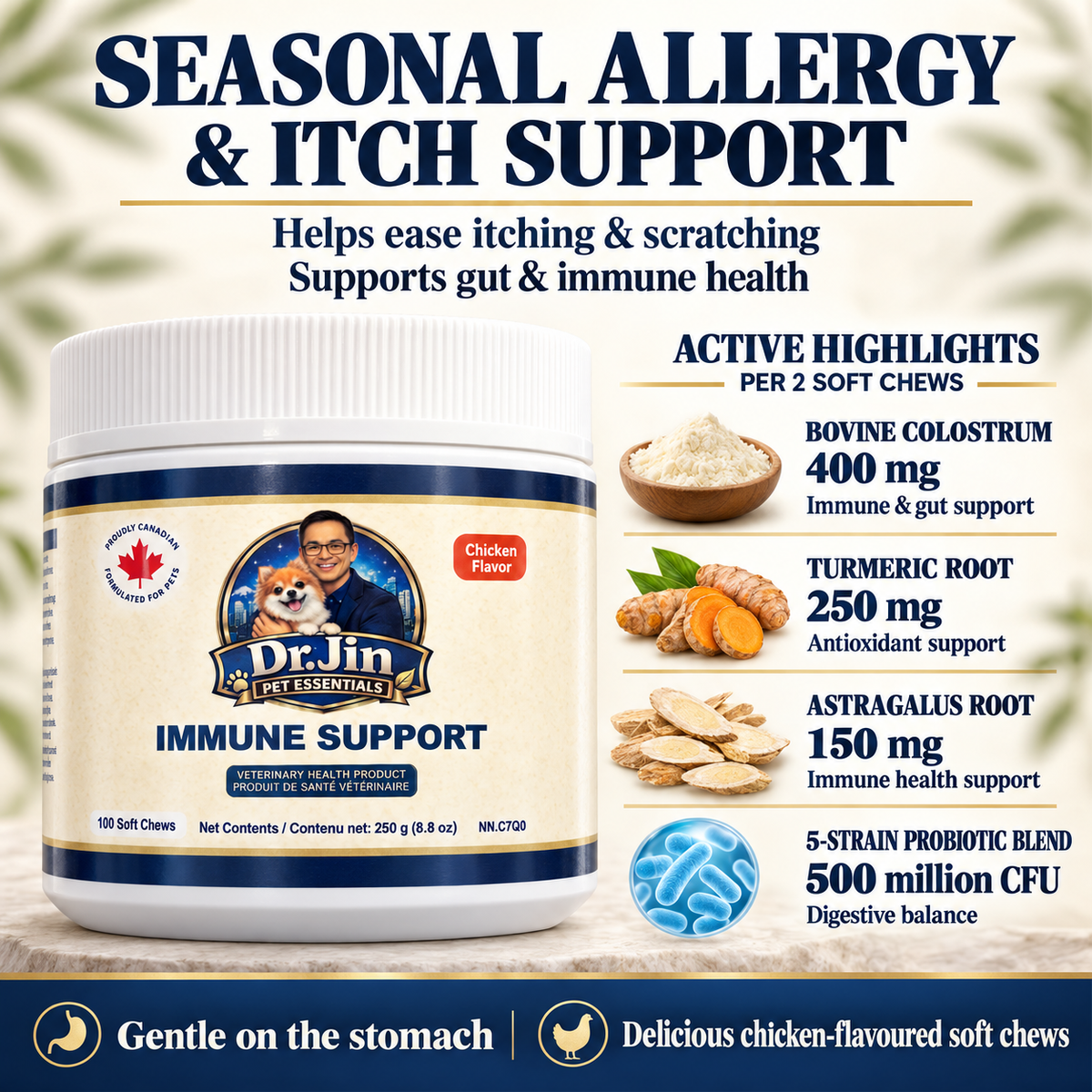
The gut and immune system are closely connected, which is why some pet parents wonder about probiotics when their dog has recurring itchiness, paw licking, or ear discomfort. It is reasonable to notice the pattern, especially if these concerns appear alongside digestive changes. But it is also a place where careful expectations matter.
Itchy skin and ear issues can be related to allergies, parasites, infection, environmental triggers, food sensitivities, or other conditions. A probiotic may support overall wellness for some dogs, but it should not replace an exam when your dog has red, painful, smelly, or repeatedly infected ears, or significant skin irritation.
7. They are a picky eater after a digestive upset
Some dogs are naturally selective. Others suddenly become hesitant around food after nausea, diarrhea, medication, or a stressful event. If your dog is otherwise bright, drinking water, and gradually returning to normal, a gentle, familiar feeding routine may help them settle back in.
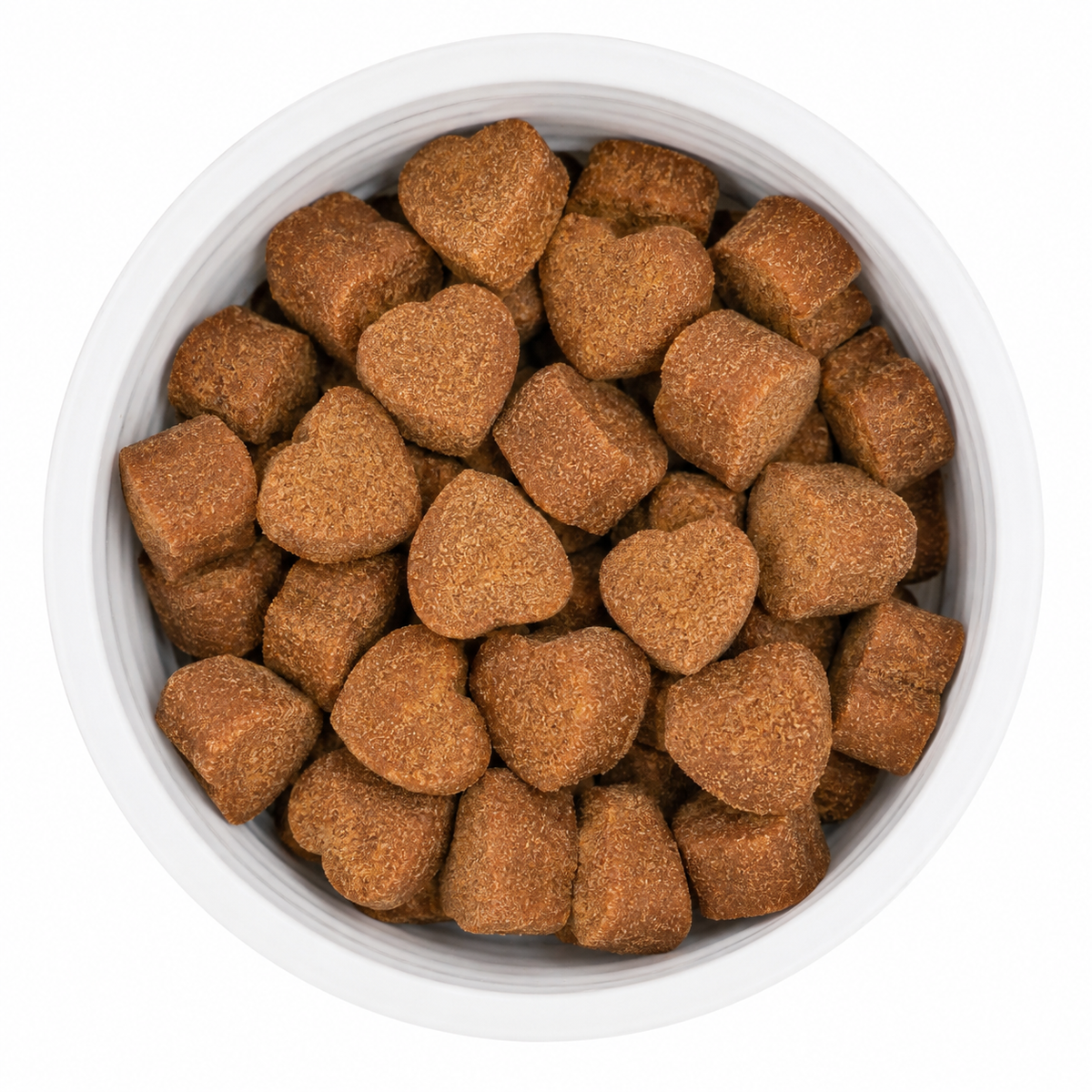
A flavorful meal topper can make regular food more appealing, but it should not be used to hide a continuing appetite problem. If your dog refuses food for more than a day, seems weak, vomits repeatedly, appears painful, or is a puppy, senior, or dog with a medical condition, contact your veterinarian sooner. Small dogs can become dehydrated quickly.
How to Choose a Probiotic for Your Dog
Not every product labeled for gut health is the same. Look for a probiotic made specifically for dogs, with clearly identified strains and a stated amount of live organisms through the product’s expiration date. Quality packaging and storage instructions matter because heat and moisture can affect live cultures.
Your dog’s individual situation matters, too. A healthy adult dog with occasional gas after boarding may need a very different approach than a dog with chronic loose stool, a history of pancreatitis, or a restricted diet. If your dog has an immune condition, is seriously ill, or takes regular medications, get veterinary guidance before starting a probiotic.
It also helps to introduce only one new wellness product at a time. When food, treats, supplements, and toppers all change in the same week, it becomes nearly impossible to tell what is helping or what is upsetting your dog’s stomach.
Make Gut Support Part of a Simple Routine
A probiotic works best as one piece of sensible daily care. Feed measured meals at consistent times, transition foods gradually, keep fresh water available, and limit surprise snacks that can disrupt digestion. For dogs who eat too fast, a slow feeder or smaller, more frequent meals may reduce gulping and post-meal gas.
When adding a new supplement, follow the label directions and give it time. Keep a simple note of your dog’s stool quality, appetite, gas, energy, and any scratching or ear concerns for a couple of weeks. That small record gives you a clearer picture than trying to judge progress from one unusual day.
When a Vet Visit Should Come First
Probiotics are designed for everyday digestive support, not emergencies. Call your veterinarian if your dog has repeated vomiting, bloody or black stool, severe diarrhea, a swollen or painful belly, sudden lethargy, signs of dehydration, weight loss, or a major appetite change. Young puppies, older dogs, and dogs with existing health concerns deserve an especially low threshold for care.
For the everyday gray area - the occasional soft stool after a schedule change, mild gas after a food transition, or a sensitive stomach during travel - a dog-specific probiotic may be a useful option to discuss. Start with the pattern you see, keep your dog’s routine steady, and let their comfort and consistency guide the next step.