





A bowl of kibble can cover the basics, but many pet parents notice everyday needs that deserve more attention: a senior dog who hesitates on the stairs, a picky eater who leaves meals behind, or breath that makes close-up cuddles less pleasant. Functional pet nutrition is about adding purposeful support to the daily routine, without making feeding feel complicated.
Rather than treating every pet the same, this approach starts with a simple question: what would make your dog or cat feel and function better day to day? The answer may be joint-supporting nutrients, a more appealing meal, better oral-care habits, or a combination that fits your pet's age and lifestyle.
What Functional Pet Nutrition Really Means
Functional pet nutrition uses food, meal toppers, and supplements to support a particular wellness goal beyond basic calories. A complete and balanced diet remains the foundation. Functional additions are there to complement that foundation with ingredients selected for a clear purpose.
For example, a bone broth powder can make dry food more appealing while adding flavor and nutrients to the bowl. A joint chew may include glucosamine, chondroitin, MSM, and collagen to support comfortable mobility. Dental powder can be part of a consistent oral-care routine for pets with bad breath or visible tartar concerns.
The key word is targeted. Functional products should make it easy to understand what they are designed to support and how they fit into a normal feeding routine. You should not need a complicated wellness plan to give your pet thoughtful daily care.
Start With the Need You See Every Day
The most useful routine is not necessarily the one with the most products. It is the one that matches your pet's real needs and that you can keep up with consistently.
A young, active dog who is doing well may benefit most from meal enhancement and a dependable dental routine. An older dog who is slower to rise after naps may be a better candidate for daily mobility support. A cat that turns away from food may respond well to a flavorful topper, though cats can be especially selective, so gradual changes matter.
Pay attention to patterns rather than one-off moments. Occasional bad breath after a snack is different from breath that stays unpleasant week after week. A dog that needs a break after a long hike is not automatically experiencing a joint problem. But ongoing stiffness, reluctance to jump, changes in appetite, or sudden dental discomfort deserve a conversation with a veterinarian before you simply add a supplement.
Mobility Support for Dogs at Every Life Stage
Joint care is often associated with senior dogs, and age is certainly a factor. Over time, normal wear and tear can affect comfort and movement. But large breeds, very active dogs, dogs carrying extra weight, and pets with known joint concerns may also benefit from proactive daily support.
Recognizable ingredients help pet parents shop with confidence. Glucosamine and chondroitin are widely used to support joint structure. MSM is commonly included in mobility formulas, while collagen supports connective tissues. These ingredients are not an overnight fix, and results can vary by pet, diet, activity level, and the underlying cause of discomfort.
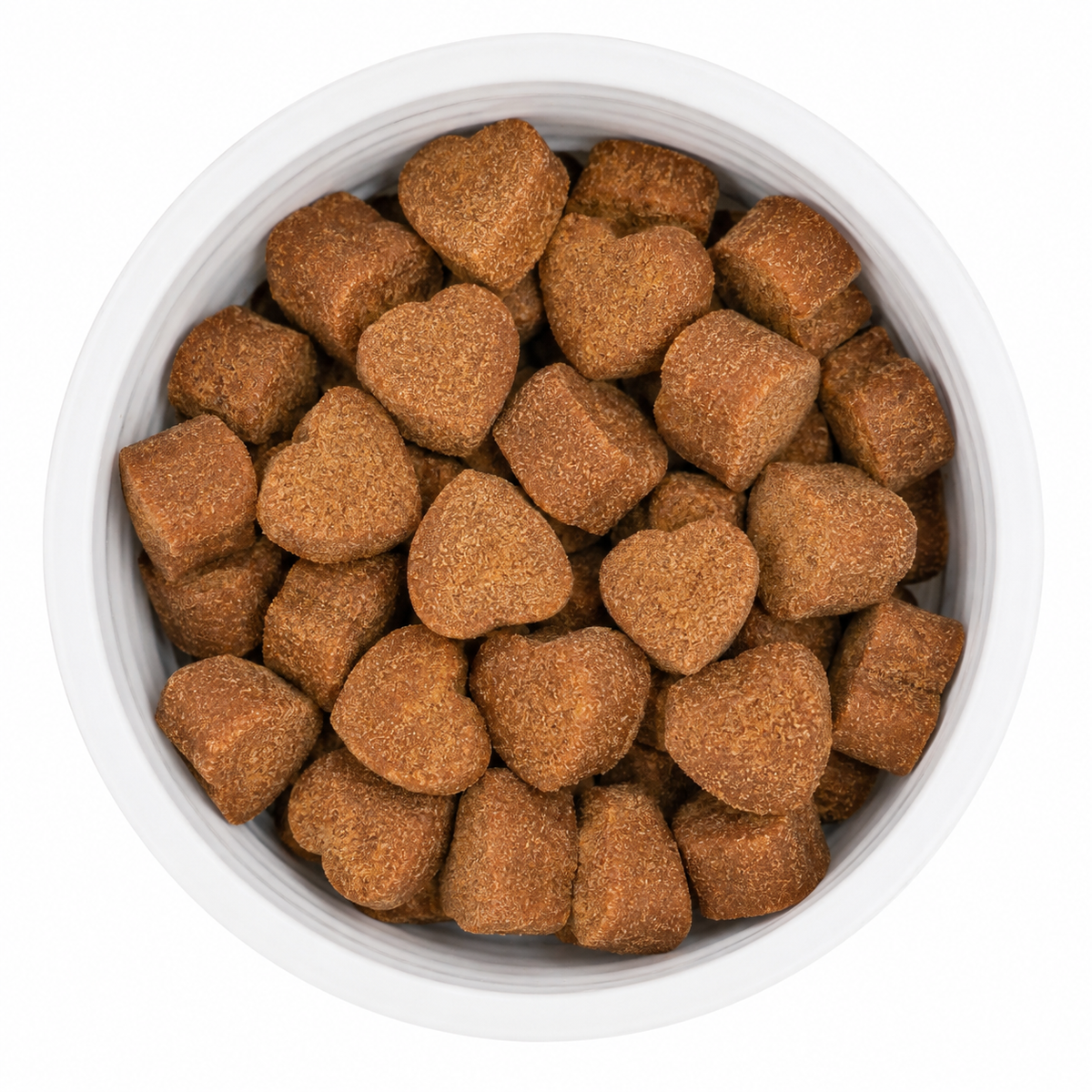
Consistency is what gives a daily joint chew its place in a routine. Choose a format your dog enjoys, use it as directed, and give the routine time. If your pet is already taking medication or has a medical condition, check with your veterinarian first to make sure the product is appropriate.
Better Meals Without a Full Food Switch
Changing your pet's main food can be stressful, especially when they are picky or have a sensitive stomach. A functional meal topper offers a smaller, simpler way to bring extra interest to the bowl.
Beef bone broth powder is an easy option for dogs who enjoy savory flavor. It can be mixed into food or prepared according to package directions, making a regular meal feel more enticing without requiring a full menu overhaul. It may be particularly helpful for pets who become less interested in dry food, need encouragement after travel or routine changes, or simply enjoy variety.
Portion awareness still matters. A topper should complement your pet's overall daily intake, not quietly add more calories than they need. For smaller dogs and cats, even modest extras can make a difference. Start with the suggested serving for your pet's size, then adjust only as directed.
Oral Care That Fits Real Life
Dental health is easy to put off because many pets will continue eating even when their mouths are not at their best. Yet tartar buildup and persistent bad breath can affect comfort, and professional veterinary dental care may be needed when disease is present.
At-home support has a valuable role, especially when it is convenient enough to use regularly. A dental powder mixed with meals can help make oral care part of feeding time rather than another task to remember. Look for a product that clearly explains its intended benefit, such as supporting fresher breath and helping address tartar buildup.
No powder replaces veterinary exams, brushing when your pet allows it, or professional treatment for painful gums, loose teeth, bleeding, swelling, or difficulty eating. Think of it as a practical daily layer of care, not a substitute for medical attention.
How to Build a Functional Pet Nutrition Routine
Keep the first step small. Introduce one new product at a time so you can see how your pet responds. This is particularly helpful for pets with sensitive digestion, food allergies, or a history of refusing new flavors.
Use the product as directed and make it part of an existing habit. Add a meal topper during breakfast. Give a joint chew after the morning walk. Stir dental powder into dinner. A routine attached to something you already do is far more likely to last than one that depends on perfect timing.
Track the changes that matter to your household. That may mean a dog finishing meals more eagerly, easier movement after rest, or fresher breath during cuddle time. Keep expectations realistic. Functional nutrition supports wellness over time, while sudden or severe symptoms call for veterinary guidance.
It also helps to avoid stacking similar ingredients without a reason. If two products both provide the same functional nutrient, more is not automatically better. Read labels, follow serving directions, and consider your pet's full diet, treats, medications, age, and body size.
What to Look for Before You Buy
A thoughtful functional product should be easy to evaluate. The label should identify the wellness purpose, list active ingredients clearly, and provide feeding directions based on your pet's size or life stage. Convenient formats matter too. The best formula cannot help if your pet will not eat it or if it is too difficult to use every day.
Flavor and texture are part of the decision, not an afterthought. Chews may work well for dogs who see them as a daily treat, while powders can be useful for pets who prefer their support mixed into food. For multi-pet homes, separate feeding can help you make sure each animal receives the right amount.
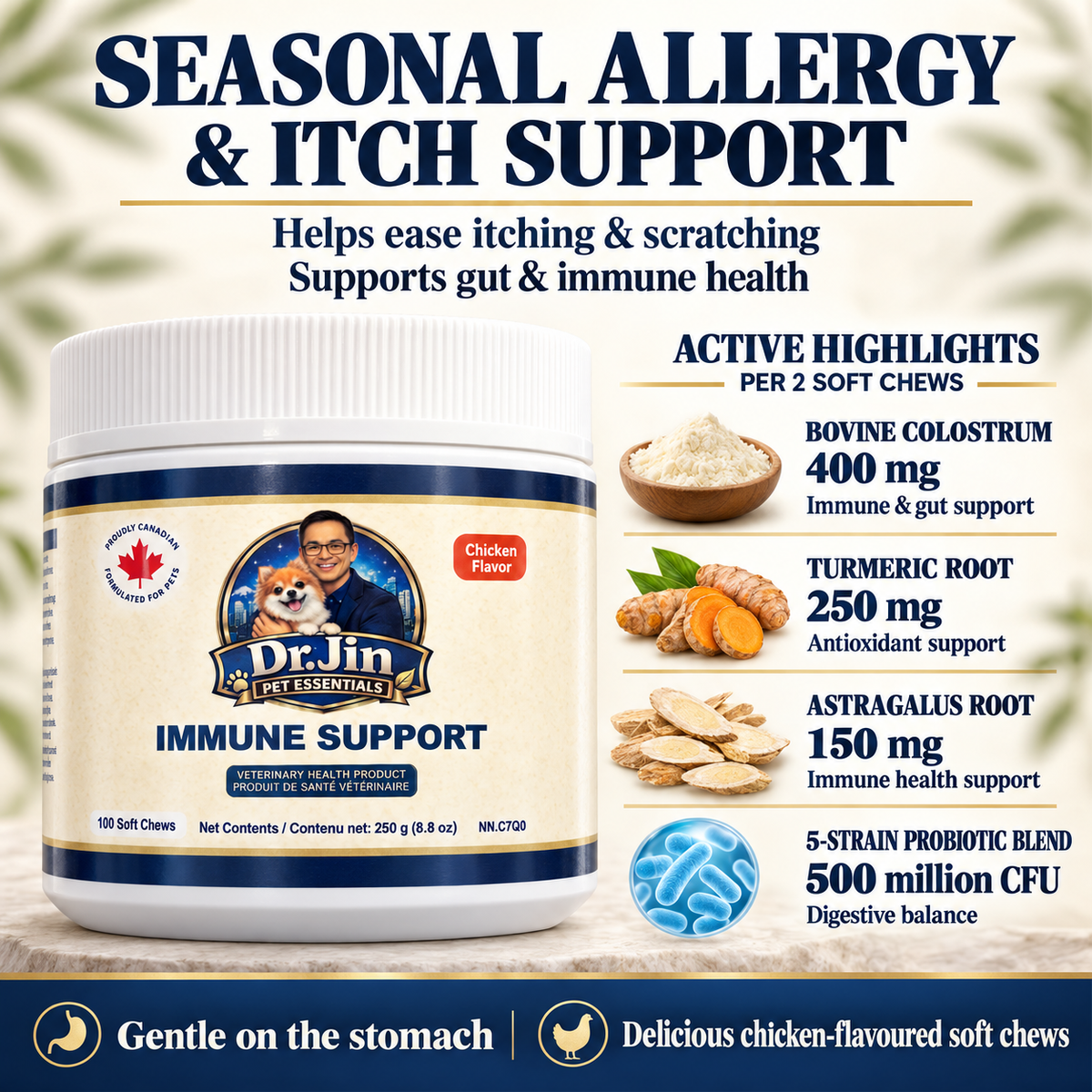
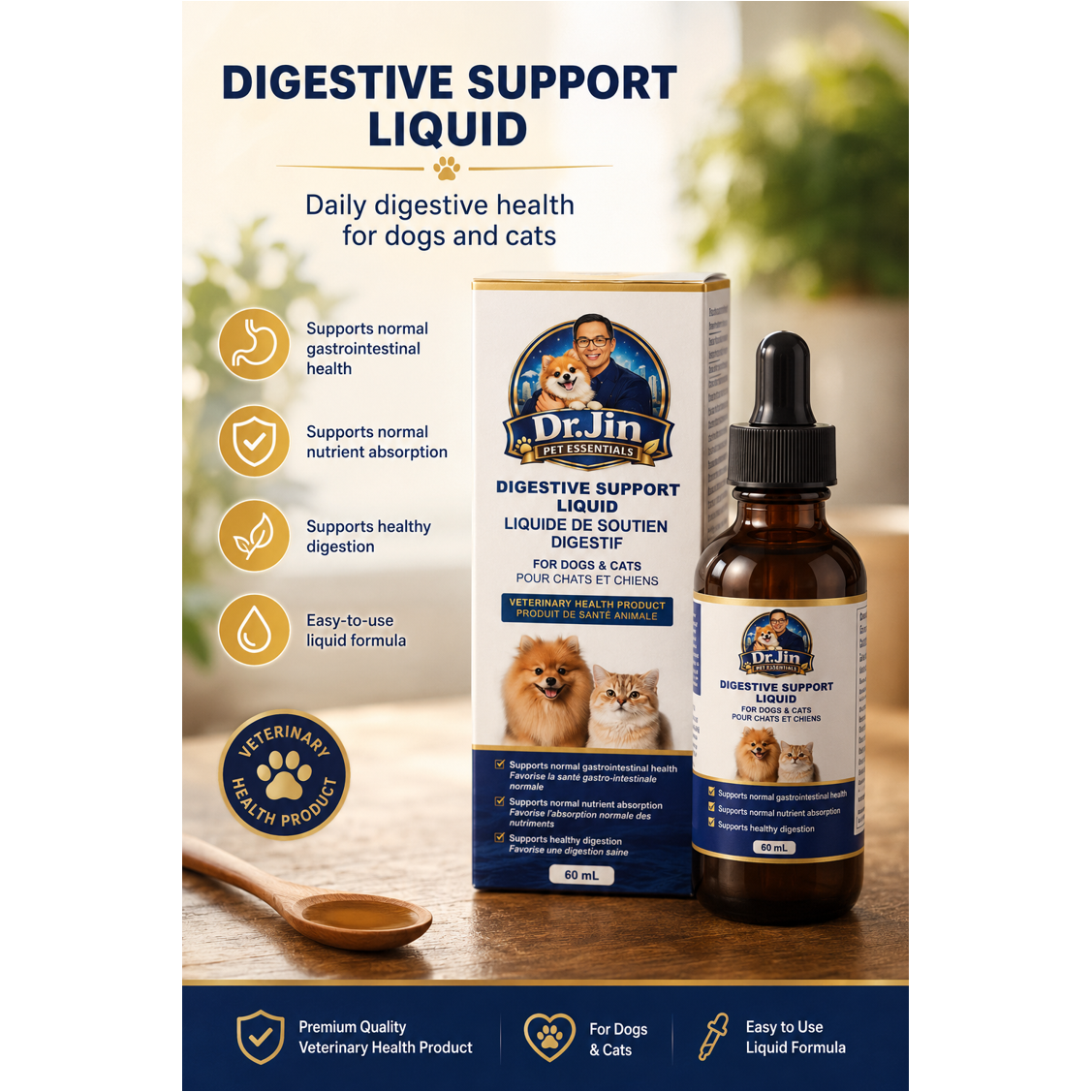
Dr. Jin Pet Essentials focuses on this kind of straightforward daily support: functional formulas with clear goals, from mobility and meal enhancement to dental care. The goal is not to turn feeding into a science project. It is to make preventative wellness feel more manageable.
Your pet's needs will change over time, and that is normal. Keep watching the small signals: enthusiasm at the bowl, comfort on a walk, willingness to play, and the ease of a happy close-range hello. Those everyday moments are often the best place to begin better care.