







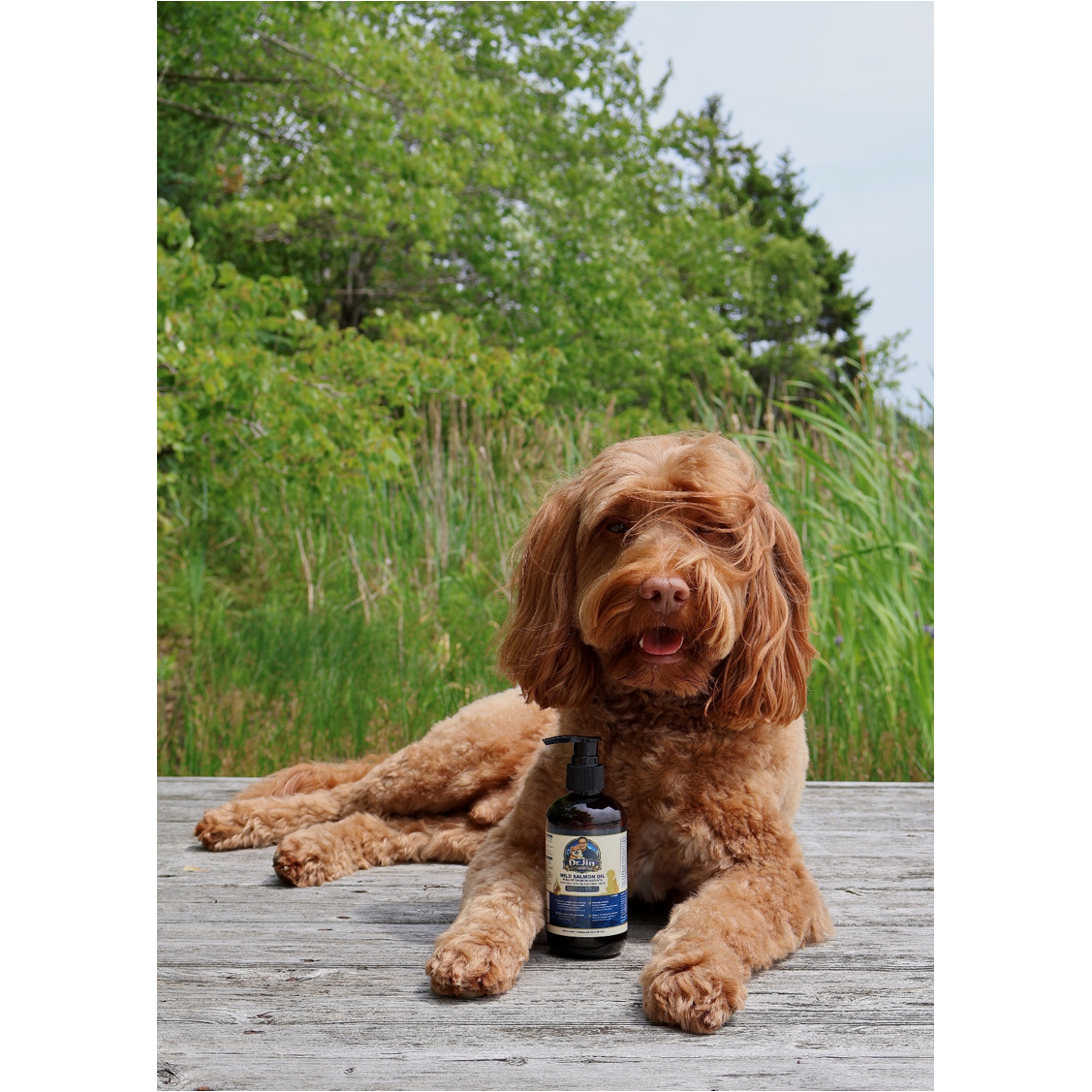

A dog who once slept through thunderstorms may suddenly pace the hallway, bark after dark, or follow you from room to room. Senior dog anxiety can feel like it appeared overnight, but it is often your dog’s way of communicating that something has changed - in their body, their senses, their routine, or their environment.
Older dogs need patience, gentle observation, and sometimes veterinary support. The goal is not to expect them to act like a puppy again. It is to make daily life feel more predictable, comfortable, and safe.
What senior dog anxiety can look like
Anxiety does not always look dramatic. Some senior dogs become vocal, restless, clingy, or destructive. Others grow quiet, hide, hesitate at familiar stairs, or seem unable to settle after you leave the room.
Common signs include pacing or wandering, especially in the evening; panting when the room is not warm; trembling; increased barking or whining; accidents indoors; changes in appetite; and repeated checking of doors, windows, or family members. A dog may also startle more easily or seem confused in a familiar space.
These behaviors can overlap with pain, hearing or vision changes, cognitive decline, digestive discomfort, and other health concerns. That is why a new behavior change in an older dog deserves more than a quick assumption that they are simply “getting anxious.”
Why anxiety can start later in life
Senior dogs have more reasons to feel unsettled than they did in their younger years. A little stiffness can make it harder to get comfortable in bed. Reduced hearing can make household sounds seem sudden or confusing. Dimming vision can turn a dark hallway into a place they no longer want to enter alone.
Pain is one of the most common factors to rule out. Arthritis, dental discomfort, urinary issues, and digestive problems may all show up as pacing, irritability, sleep disruption, or a reluctance to be touched. Dogs do not always limp or cry when they hurt. Sometimes they simply seem less like themselves.
Canine cognitive dysfunction, sometimes compared to dementia in people, can also contribute to nighttime waking, disorientation, altered sleep patterns, staring, and anxiety. This does not mean every restless senior dog has cognitive decline. It does mean that a veterinarian can help separate normal aging changes from conditions that need treatment.
Life changes matter, too. A new home, a different work schedule, a visiting grandchild, the loss of another pet, or even rearranged furniture can disrupt a dog who has relied on familiar routines for years. For a senior dog, predictability is often comforting.
Start with a veterinary checkup
If anxiety is new, escalating, or affecting your dog’s sleep, appetite, mobility, or bathroom habits, make a veterinary appointment. Bring notes about when the behavior happens, how long it lasts, what seems to trigger it, and any changes in eating, drinking, or movement.
A clear history helps your veterinarian look for patterns. For example, pacing that begins when your dog lies down may point toward discomfort. Restlessness after sunset may suggest vision changes or cognitive concerns. Anxiety around meals could relate to nausea, dental pain, or difficulty reaching the bowl.
Seek prompt care if your dog suddenly seems disoriented, collapses, has trouble breathing, cries out in pain, cannot urinate, repeatedly vomits, or has a dramatic behavior shift. Those signs should not wait for a routine wellness visit.
Make the home easier to navigate
Once medical concerns are being addressed, small changes at home can reduce daily stress. Think of your dog’s space from their perspective: Can they reach their bed without jumping? Can they see where they are going? Do they have a quiet place to rest away from busy foot traffic?
Keep food, water, beds, and favorite resting spots in consistent locations. Avoid major furniture rearrangements when possible. If your dog has reduced vision, use soft night-lights near their bed, water bowl, and path to the door. A nonslip rug can also make a hard floor feel more secure for an older dog with weak or sore joints.
Comfort is practical, not indulgent. A supportive bed, easy access to fresh water, and a warm, quiet resting area can make a meaningful difference when a dog is already managing age-related changes.
Build a predictable daily rhythm
Senior dogs often do best when the day follows a familiar pattern. Try to keep meals, walks, medications, and bedtime close to the same times. Regular routines reduce the number of surprises your dog has to process.
Exercise still matters, but the right amount depends on your dog’s mobility and health. A slow sniff walk, a few minutes in the yard, or a gentle food puzzle may be more calming than a long, tiring outing. Overdoing activity can leave a stiff dog more uncomfortable later, while too little activity can create extra restlessness. Your veterinarian can help you find the right balance.
If your dog becomes anxious when left alone, avoid making departures and arrivals a big event. Give them a calm setup before you go: a safe room, a familiar bed, low background sound, and a simple activity approved for their eating habits. Start with short absences if possible, then build gradually rather than asking them to cope with a full day alone all at once.
Support comfort through everyday care
Daily wellness routines can help you notice changes sooner. When you refill the water bowl, prepare dinner, or brush your dog, take a moment to check how they move, breathe, and respond to touch. Small observations add up.
For dogs with age-related stiffness, discuss joint support and weight management with your veterinarian. Extra body weight can make mobility harder and reduce a dog’s willingness to walk, climb, or settle comfortably. A veterinarian may recommend a combination of movement changes, pain management, and targeted ingredients such as glucosamine, chondroitin, MSM, and collagen based on your dog’s individual needs.
Mealtime can be a useful moment of reassurance, especially for a picky senior. A flavorful meal topper, such as a beef bone broth powder, may make food more appealing for some dogs while adding variety to an established routine. It is not a treatment for anxiety, and any new food should be introduced gradually, particularly if your dog has a sensitive stomach or follows a veterinary diet.
What not to do when your dog is anxious
Avoid punishing barking, accidents, pacing, or clinginess. Your dog is not trying to be difficult. Scolding can make an already worried dog feel less safe and may hide symptoms you need to notice.
It is also wise to skip human anxiety medications, sleep aids, essential oils, or calming products without veterinary guidance. Some ingredients that seem harmless can be unsafe for dogs or interact with prescribed medications. “Natural” does not automatically mean appropriate for an older pet.
Instead, respond calmly. Guide your dog to a familiar place, lower the noise and activity around them, and offer quiet companionship if they seek it. A gentle voice and consistent routine are often more helpful than trying to distract a frightened dog with too much excitement.
When extra help makes sense
Some dogs need more support than environmental changes alone can provide. Your veterinarian may recommend pain relief, behavior support, cognitive care, calming strategies, or medication depending on what is driving the anxiety. A qualified trainer or veterinary behavior professional can also help with separation-related distress or fear responses.
Progress may be gradual. The most useful question is not whether your dog is completely anxiety-free every day, but whether they are eating, resting, moving, and enjoying family life more comfortably than before.
Your senior dog has spent years learning the sounds of your home, the rhythm of your footsteps, and the comfort of being near you. Meeting this stage with steady routines, physical comfort, and timely veterinary care gives them something deeply reassuring: a home that still makes sense.