





When your dog hesitates before jumping onto the couch, takes longer to rise after a nap, or simply seems less enthusiastic on walks, joint support quickly becomes a practical priority. The glucosamine versus collagen dogs question comes up often because both ingredients are associated with mobility, but they do different jobs in the body. Choosing between them is less about finding one “winner” and more about matching support to your dog’s needs, age, activity level, and daily routine.
For many pet parents, the easiest approach is a thoughtfully formulated joint chew that includes both. That combination can provide broad support without turning your dog’s wellness routine into a complicated project.
Glucosamine Versus Collagen for Dogs: The Main Difference
Glucosamine is a naturally occurring compound involved in cartilage, the cushioning tissue that helps joints move comfortably. Cartilage experiences regular wear through everyday life, whether your dog is a tiny lap dog hopping off furniture or a larger dog who loves long hikes and energetic games of fetch.
In supplements, glucosamine is commonly used to support joint structure and normal cartilage health. It is particularly familiar to owners of senior dogs and dogs with breed-related mobility concerns. It is not a fast-acting pain reliever, and results are usually gradual. The goal is consistent, long-term nutritional support for the joints your dog uses every day.
Collagen is a protein. It helps form connective tissues throughout the body, including cartilage, tendons, ligaments, skin, and bones. When collagen is included in a dog supplement, it can help support the connective tissue framework that contributes to comfortable movement.
Put simply, glucosamine is often chosen for cartilage-focused support, while collagen supports the protein-rich tissues that help hold the musculoskeletal system together. Both can have a place in a daily mobility routine.
When Glucosamine May Be a Good Fit
Glucosamine is often a smart choice when joint maintenance is the main concern. Older dogs are a natural fit because normal aging can bring stiffness, slower movement, and less confidence with stairs or play. But senior dogs are not the only ones who may benefit.
Large breeds, dogs carrying extra weight, highly active dogs, and dogs with a family history of joint concerns can all put more demand on their joints. Starting a supportive routine before your dog appears seriously uncomfortable may be part of a preventive wellness plan, especially when paired with healthy weight management and appropriate exercise.
Look for products that use glucosamine as part of a complete joint formula rather than relying on a single ingredient alone. Chondroitin and MSM are common companions to glucosamine. Chondroitin also supports cartilage health, while MSM is often included to support joint comfort and a normal inflammatory response. Together, these ingredients offer a broader approach than glucosamine by itself.
That said, more ingredients do not automatically make a product better. Clear labeling, sensible serving directions, and a format your dog will actually take every day matter just as much.
When Collagen May Be a Good Fit
Collagen can be especially appealing for pet parents looking for whole-body connective tissue support. Since collagen is found in more than just joints, it may fit dogs whose wellness routine also centers on skin, coat, and active-lifestyle support.
It can be a practical option for younger adult dogs who are still very active and for owners who want to build a consistent daily wellness habit. For example, a dog who enjoys weekend trail walks, agility sessions, or frequent games at the park may benefit from nutritional support that aligns with the demands placed on tendons, ligaments, and joints.
Collagen is also a useful ingredient for small dogs, whose mobility changes can be easy to overlook. A small dog does not need to run miles to put repeated stress on its body. Daily jumping from beds, sofas, and laps adds up. Supporting healthy connective tissues can make sense at every size.
The form of collagen matters, too. Hydrolyzed collagen is broken down into smaller pieces, which are easier to incorporate into foods and chews. As with any supplement, consistency is more valuable than occasional use. A product that fits naturally into breakfast or a daily treat routine is more likely to deliver the intended support over time.
Can Dogs Take Glucosamine and Collagen Together?
Yes, and for many dogs, a combination is the most practical choice. Glucosamine and collagen are not competing ingredients. They support different but related parts of canine mobility, which is why you will often see them in comprehensive hip and joint supplements.
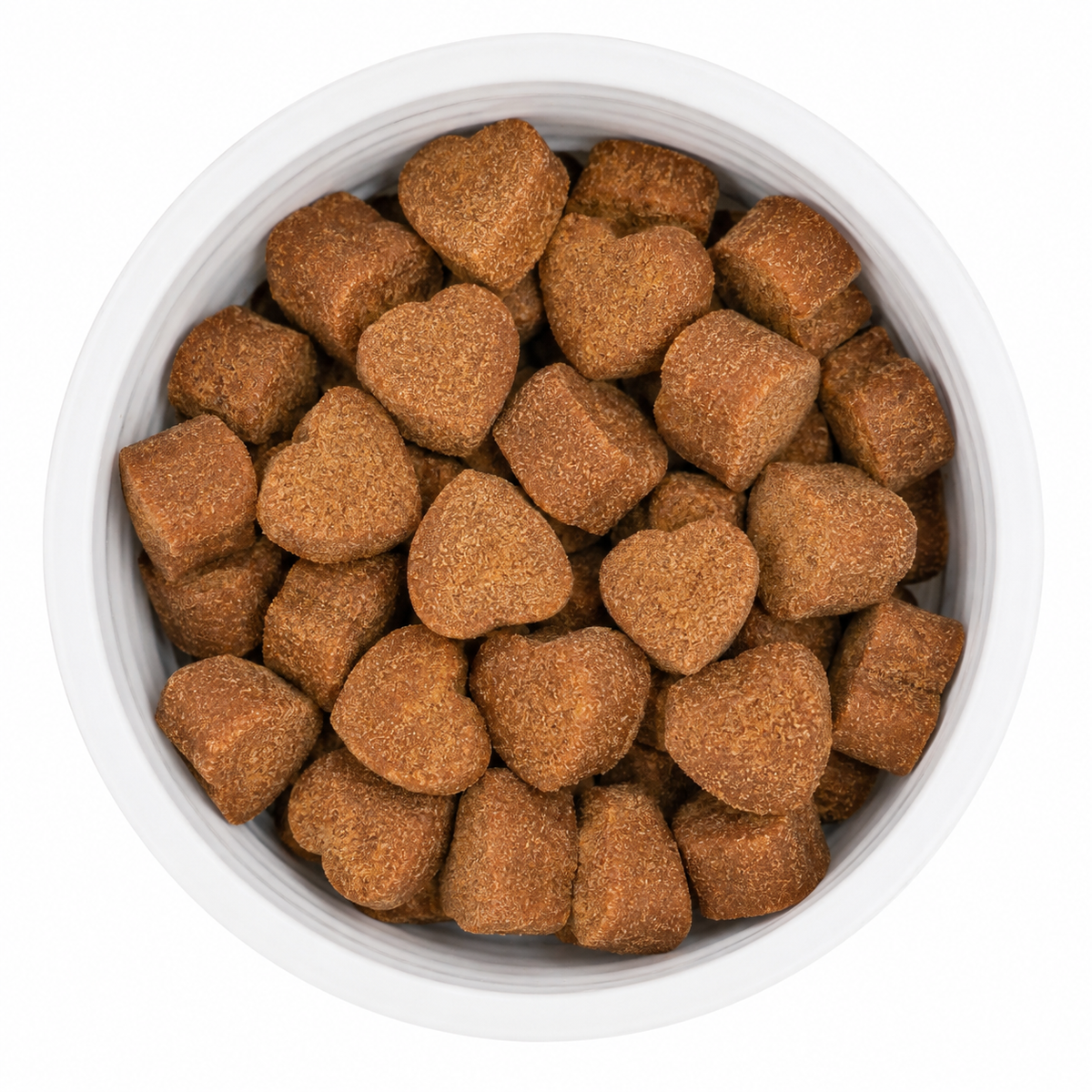
A chew containing glucosamine, chondroitin, MSM, and collagen can support cartilage, connective tissue, and everyday joint comfort in one simple serving. This is helpful for busy pet parents who do not want to measure powders, manage multiple containers, or convince a picky dog to eat a complicated mix-in.
The best fit depends on your goal. If your dog is getting older, moving more slowly, or has known joint concerns, a fuller formula may make the most sense. If you are focused on general active-dog wellness, collagen may be a valuable part of a broader routine. Either way, choose the formula based on your dog rather than a trend.
What to Look for in a Dog Joint Supplement
A good joint supplement should make daily care easier, not harder. Start with transparent ingredient information and clear serving guidance based on body weight. Dogs come in very different sizes, and a serving that suits a large dog may not be appropriate for an extra-small companion.
Palatability matters more than many people expect. A supplement only helps if it is given consistently, so soft chews with a dog-friendly flavor can be an easier choice than tablets that get left in the bowl. If your dog is picky, introduce the chew like a treat and offer it at the same time each day.
It is also wise to consider your dog’s existing diet and medications. Supplements can complement a balanced diet, but they do not replace quality nutrition, a healthy body condition, regular movement, or veterinary care. If your dog has a medical condition, takes medication, is pregnant, or has had a reaction to supplements before, ask your veterinarian before adding a new product.
Watch for changes that deserve professional attention. Sudden limping, crying out, refusing to bear weight, major swelling, or a rapid drop in activity are not situations to manage with a supplement alone. Your veterinarian can help identify the cause and recommend the right care plan.
How Long Does It Take to Notice a Difference?
Joint supplements are usually a long-game habit, not an overnight fix. Many pet parents evaluate a consistent routine over several weeks, while some dogs may need longer depending on age, activity, body condition, and the underlying reason for mobility changes.
Keep your expectations realistic and look for small, meaningful changes. Your dog may seem more eager to get up in the morning, more willing to join a walk, or more comfortable settling after play. These everyday moments often tell you more than a single “good” or “bad” day.
A simple note on your phone can help. Track your dog’s willingness to use stairs, walk duration, play interest, and ease of getting up. This gives you a clearer picture than trying to remember how they moved a month ago.
Make Joint Support Part of Everyday Care
The glucosamine versus collagen dogs decision does not need to be an either-or choice. Glucosamine brings focused cartilage support, while collagen supports the connective tissues that help your dog move, play, stretch, and settle comfortably. For many households, a daily chew that includes both is a convenient way to cover more ground.
Dr. Jin Pet Essentials Hip and Joint Chews combine glucosamine, chondroitin, MSM, and collagen in an easy daily format designed for practical mobility support. Pair a consistent supplement routine with a healthy weight, regular low-impact movement, and plenty of attention to the little changes in how your dog feels. Those small daily choices can help keep more tail wags, couch cuddles, and happy walks in the routine.