



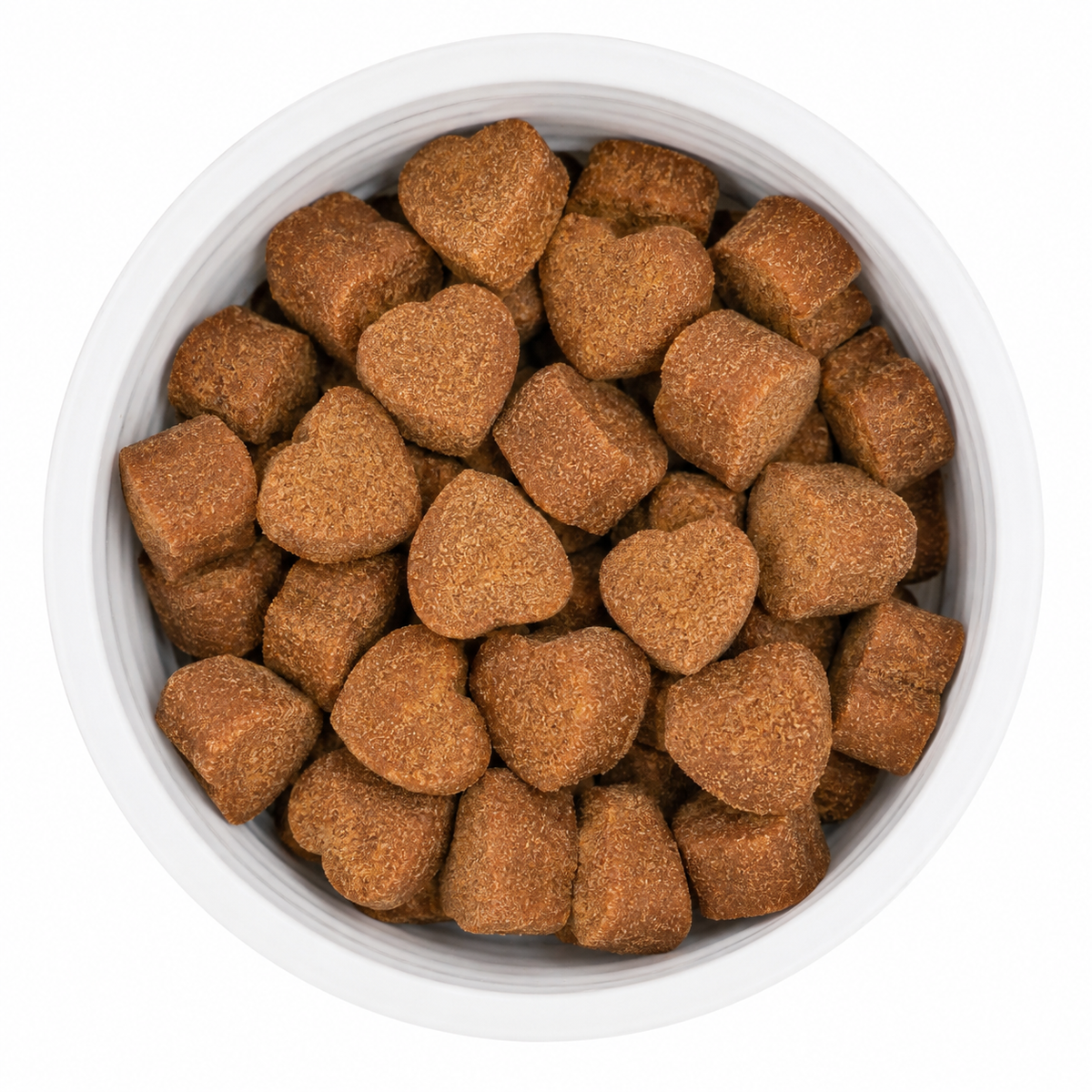


That bowl of dry food does not have to be boring. The right healthy toppings for dry kibble can make meals more appealing for picky dogs, add welcome moisture, and support specific wellness goals without turning dinner into a guessing game.
The key is to keep the kibble as the nutritional foundation. A complete and balanced dog food is designed to cover daily nutrient needs. Toppings should complement it, not crowd it out. Start small, choose dog-safe ingredients, and let your dog’s age, size, activity level, and sensitivities guide the bowl.
Why add a topper to dry food?
For many dogs, a small topper makes ordinary kibble smell and taste more interesting. That can be especially useful for selective eaters, senior dogs whose appetite has changed, or dogs adjusting to a new food. Warm moisture can also soften kibble slightly, which some dogs find easier to eat.
There can be a practical wellness benefit, too. A thoughtfully chosen topper may contribute protein, fiber, omega-3 fats, or hydration. But more is not always better. Rich additions can upset a sensitive stomach, while generous portions can add calories quickly, especially for small dogs.
As a simple rule, treats and extras should generally make up no more than about 10% of your dog’s daily calories unless your veterinarian has provided a different feeding plan. If you use a calorie-containing topper every day, adjust the kibble portion accordingly.
8 healthy toppings for dry kibble
1. Warm, low-sodium bone broth
A little warm bone broth is one of the easiest ways to add aroma and moisture. Choose a dog-safe broth with no onion, garlic, added salt, or artificial sweeteners. Pour just enough over the kibble to lightly coat it rather than leaving a soupy bowl.
Bone broth powder can be an especially convenient option for daily routines. Mixed with warm water, it gives dogs the savory taste they love while making portioning simple. For pet parents looking for an easy meal enhancement, Dr. Jin Pet Essentials beef bone broth powder is designed to fit right into regular feeding.
2. Plain canned pumpkin
Plain pumpkin puree can be a useful fiber-rich addition for many dogs. It is not the same as pumpkin pie filling, which may contain sugar and spices that do not belong in a dog’s bowl. Look for 100% plain pumpkin on the label.
Start with a small spoonful, particularly for a small dog. Fiber affects every dog differently, so watch stool consistency and reduce the amount if your dog develops gas or loose stool.
3. Cooked lean protein
Plain, cooked chicken, turkey, or lean beef can make kibble more enticing and add a little extra protein. Keep it unseasoned and remove skin, bones, and visible excess fat. Avoid marinades, sauces, and seasoning blends, since onion and garlic are common ingredients and are not safe for dogs.
This is a good occasional option for a dog who needs encouragement at mealtime. It is less ideal as a large daily addition unless you have accounted for the calories and overall nutrient balance.
4. Cooked egg
A cooked egg offers protein and a texture many dogs enjoy. Scramble or hard-boil it without butter, oil, salt, or seasoning, then mix a small amount into the food. For a tiny dog, a few bites may be plenty.
Egg can be a richer topping for some dogs, so introduce it gradually. If your dog has had pancreatitis, digestive sensitivity, or has been prescribed a low-fat diet, ask your veterinarian before making it a regular part of meals.
5. Sardines packed in water
Sardines can provide omega-3 fatty acids and a big flavor payoff in a very small serving. Choose plain sardines packed in water with no salt added when possible. Mash a small portion through the kibble, and skip sauces, oils, and flavored varieties.
Because sardines are calorie-dense and naturally rich, they work best as an occasional topping. They may not suit every dog, particularly those on a therapeutic diet or dogs that react poorly to richer foods.
6. Plain Greek yogurt or kefir
Unsweetened plain Greek yogurt or plain kefir can add creaminess and live cultures. Choose products with no added sugar, flavors, or xylitol. Xylitol is highly toxic to dogs, so check every label rather than assuming a product is safe because it is marketed as low sugar.
Not every dog tolerates dairy well. Begin with a teaspoon and see how your dog responds. If you notice digestive upset, choose a non-dairy topper instead.
7. Dog-safe vegetables
Soft, cooked vegetables can add variety with relatively few calories. Green beans, carrots, zucchini, peas, and sweet potato are common choices. Serve them plain and chopped or mashed to suit your dog’s size and chewing ability.
Sweet potato is more calorie-dense than green beans or zucchini, so portion it accordingly. Avoid onions, garlic, leeks, chives, and heavily seasoned frozen vegetable mixes. When trying a new vegetable, use one ingredient at a time so it is easier to spot what agrees with your dog.
8. Blueberries or apple pieces
A few blueberries or small pieces of apple can add freshness to the bowl. Remove apple cores and seeds, and cut fruit to a safe size for your dog. As with any sweet food, fruit is best used lightly, not piled on.
Fruit may be a less suitable choice for dogs who need strict carbohydrate control or who have a sensitive digestive system. If your dog manages a medical condition, their veterinarian can help you choose toppings that fit the plan.
How much topper should you use?
Portion size matters more than novelty. A large dog may tolerate a tablespoon or two of a mild topper, while an extra-small dog may only need a teaspoon. Start with less than you think you need. You can always add more later, but it is harder to undo an upset stomach or unwanted weight gain.
Use one new topping at a time for several days. This gives your dog time to adjust and gives you a clearer answer if something does not agree with them. Keep an eye on appetite, energy, stool quality, itching, and ear irritation, particularly if your dog has a history of food sensitivities.
If you are feeding a puppy, a dog with kidney disease, diabetes, pancreatitis, food allergies, or a prescription diet, get individualized guidance before adding regular extras. A healthy-looking human food is not automatically appropriate for every dog.
Toppings to leave out of the bowl
Some kitchen staples are never worth the risk. Do not add onions, garlic, chives, grapes, raisins, chocolate, macadamia nuts, alcohol, xylitol, or salty and spicy leftovers. Cooked bones are also unsafe because they can splinter.
Be cautious with fatty table scraps, cheese-heavy meals, bacon, deli meats, and gravy. Dogs may love the taste, but the salt and fat can create problems that far outweigh a moment of excitement at dinner. A topper should make feeding easier, not make your dog feel unwell later.
Keep the routine simple
The best topping is one your dog enjoys, tolerates well, and fits your routine consistently. You do not need a different ingredient every night or a complicated homemade recipe. A measured scoop of broth, a spoonful of pumpkin, or a few bites of plain protein can be enough to make mealtime feel special.
Build the bowl around your dog, not around trends. When a topper adds enjoyment and purposeful support without replacing the balanced food underneath, it becomes a small daily habit that is easy to feel good about.