




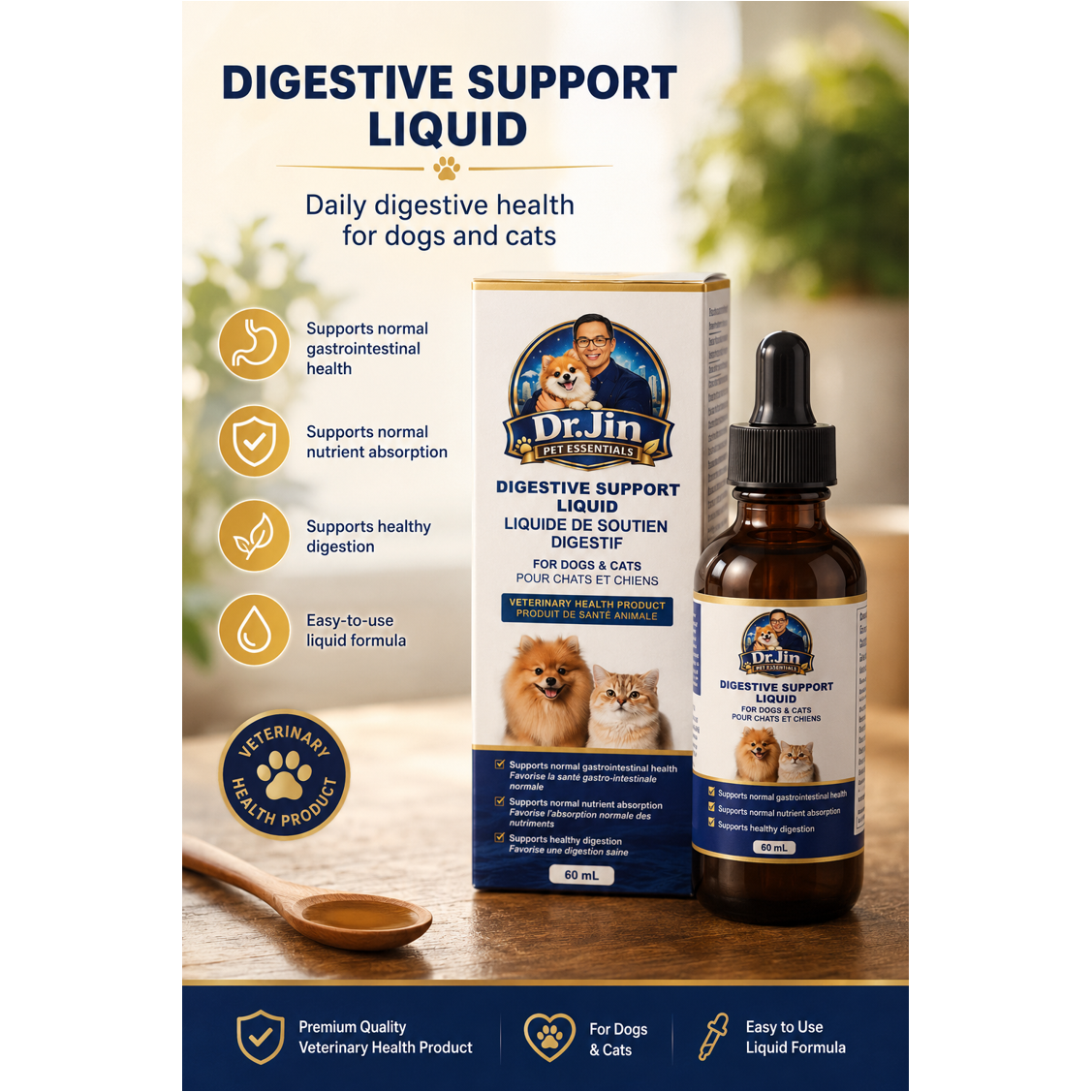


A liquid probiotic can be an easy addition to your pet’s daily routine, especially when mixed into a favorite meal. But finding the right liquid probiotic dosage is less about guessing by spoonful and more about following the product’s directions, your pet’s size, and how their stomach responds.
For many dogs and cats, probiotics are used to support normal digestion, stool quality, and everyday gut balance. They can be particularly appealing for picky eaters who turn down capsules or powders. Still, more is not always better. A thoughtful, gradual approach helps you support your pet’s routine without creating unnecessary digestive upset.
Why Liquid Probiotic Dosage Is Not One-Size-Fits-All
Probiotics are live, beneficial microorganisms. Different formulas contain different strains, concentrations, and delivery methods, so one liquid product may be much more concentrated than another. That means a full dropper from one bottle is not automatically equal to a full dropper from the next.
The most reliable starting point is always the feeding chart on the specific product label. Reputable products commonly provide dosage guidance by weight range, age, or species. A formula designed for dogs may have a different recommendation than one formulated for cats, even when both products are liquids.
Your pet’s needs also matter. A healthy adult dog trying a probiotic for general wellness may do well with the standard maintenance amount. A pet recovering from a short-term stomach disruption, adjusting after boarding, or transitioning to a new food may need more individualized guidance from a veterinarian.
Start Low, Then Work Up to the Label Amount
Even a high-quality probiotic can cause temporary changes when introduced too quickly. Mild gas, a little extra stomach noise, or softer stools can happen as the digestive system adjusts. Starting with a partial serving can make the transition gentler.
For a pet who has never taken probiotics before, begin with about one-quarter to one-half of the labeled daily serving for the first few days. If your dog or cat is eating normally, acting like themselves, and producing normal stools, move up to the full label amount. This approach is especially useful for small dogs, extra-small pets, senior pets, and cats with sensitive appetites.
If your pet develops ongoing diarrhea, vomiting, reduced appetite, or seems uncomfortable, stop the product and contact your veterinarian. Those signs may not be caused by the probiotic, but they deserve attention rather than a dose adjustment at home.
Read the Label Beyond the Dropper Markings
A dropper is convenient, but it does not tell the whole story. Before using a liquid probiotic, look for the serving size and the number of live cultures provided per serving. This amount may be listed as CFUs, short for colony-forming units. CFUs are a way of describing the number of viable microorganisms in a probiotic formula.
The label should also make clear whether the recommended amount is given once daily, divided between meals, or used only as needed. If the directions say to refrigerate after opening, follow that instruction closely. Heat, sunlight, and improper storage can reduce the number of live cultures your pet receives.
Use the supplied dropper or measured cap whenever possible. Kitchen spoons vary widely, and a small measuring error matters more with concentrated liquids and tiny pets. Keep the dropper clean, and avoid touching it directly to your pet’s mouth or food if the manufacturer advises against it.
Should Dosage Be Based on Your Pet’s Weight?
Weight-based directions are common because a 7-pound cat and a 70-pound dog do not always need the same serving. However, weight is only one part of the equation. The strains in the formula, their concentration, and the product’s intended use all shape the correct amount.
Do not try to calculate a dose by comparing your pet’s weight to a human probiotic or to another pet product. Human supplements may contain ingredients, sweeteners, or flavoring agents that are not a good fit for pets. They may also deliver a concentration that does not align with veterinary use in dogs or cats.
Puppies and kittens deserve extra care. Their digestive systems are still developing, and diarrhea can become serious faster in young animals. Check with your veterinarian before giving a probiotic to a very young pet, particularly if they have loose stools, parasites, poor weight gain, or low energy.
How to Give a Liquid Probiotic More Easily
Most pets accept liquid probiotics best when the amount is mixed into a small portion of food. Start with just enough wet food, broth, or kibble topper that your pet will finish quickly. Once they have eaten that portion, serve the rest of the meal. This helps ensure the full serving is consumed instead of left behind in the bowl.
You can also place the liquid directly onto dry food, then stir well so it is distributed across the meal. If your pet has a sensitive stomach, giving the probiotic with food is usually more comfortable than giving it on an empty stomach.
For dogs and cats who eat more than one meal daily, follow the label instructions rather than automatically splitting the serving. Some products are designed for a single daily dose, while others may work well divided between breakfast and dinner. Consistency matters more than finding a perfect time of day, so choose a feeding routine you can maintain.
When a Probiotic May Need Veterinary Guidance
A liquid probiotic is a wellness tool, not a replacement for diagnosing a health concern. Contact your veterinarian before starting one if your pet has a chronic medical condition, is immunocompromised, is pregnant or nursing, or takes prescription medications. Your veterinarian can help determine whether a probiotic makes sense and recommend a product type or schedule.
It is also wise to call promptly when digestive signs are severe or persistent. Seek veterinary care for repeated vomiting, bloody stool, black or tar-like stool, belly pain, lethargy, fever, dehydration, or diarrhea that continues beyond a day in a young, senior, or medically fragile pet.
A probiotic may be one part of a broader plan, but sudden digestive symptoms can have many causes, including dietary indiscretion, parasites, food intolerance, infection, or an underlying illness. The right dose cannot solve the wrong problem.
Common Liquid Probiotic Dosage Mistakes
The biggest mistake is assuming that a larger dose will bring faster results. Probiotics are generally intended to support the gut over time, and exceeding the label recommendation can make it harder to tell how your pet tolerates the product.
Another common issue is changing several things at once. If you introduce a new food, a new treat, a dental powder, and a probiotic in the same week, it becomes difficult to identify what helped or what caused an upset stomach. Add one new wellness product at a time when possible, and give your pet a few days to adjust.
Finally, do not overlook expiration dates and storage instructions. Live cultures are sensitive. A bottle that has been stored improperly or used past its recommended date may not provide the benefit you expect.
A Simple Routine for Everyday Gut Support
For most healthy pets, the best liquid probiotic dosage is the one clearly stated on a pet-specific label, introduced gradually, and given consistently with meals. Track simple changes during the first week: appetite, energy, stool appearance, and any signs of discomfort. You do not need to overanalyze every bathroom break, but a quick check-in can help you spot a poor fit early.
Good pet wellness often comes down to manageable habits. Choose products made for your pet, measure carefully, and let their day-to-day comfort guide the routine. A calm meal, a consistent serving, and a watchful pet parent can go a long way toward supporting a happier belly.