





MSM Dog Joint Chews: What to Look For
A dog that hesitates before jumping on the couch or takes a little longer to stand up is usually telling you something. MSM dog joint chews are a simple way many pet parents support daily mobility before stiffness starts to affect routines, walks, and play.
The appeal is easy to understand. Joint supplements feel manageable. They fit into a normal feeding routine, they do not require a major lifestyle change, and dogs usually accept them more easily than pills. But not all chews are built the same, and the label matters more than the front-of-bag promises.
Why MSM dog joint chews are so popular
MSM, short for methylsulfonylmethane, is a sulfur-containing compound commonly included in joint support formulas for dogs. It is often paired with glucosamine and chondroitin because those ingredients are associated with cartilage and joint function, while MSM is commonly used in mobility blends aimed at comfort and flexibility.
That combination is one reason these chews are so widely used. Instead of relying on one ingredient, many formulas bring together several joint-support components in one daily bite. For busy dog owners, that convenience matters. If a chew can support hips, joints, and everyday movement without adding hassle, it is more likely to become part of a consistent routine.
There is also the preventive care angle. Many shoppers do not want to wait until their dog is clearly struggling. They want support that feels practical and proactive, especially for senior dogs, large breeds, active dogs, and dogs with a history of stiffness after exercise.
What MSM actually does in a joint formula
MSM is not magic, and it is best understood as one part of a broader formula rather than a standalone fix. In dog joint chews, it is typically included to support joint comfort and normal mobility. Some pet parents notice the biggest difference in how easily their dogs get up, climb stairs, or settle into a smoother stride during walks.
That said, results vary. A young active dog may use a joint chew as daily support with no obvious dramatic change because the goal is maintenance. An older dog with visible stiffness may show more noticeable improvement over time. It depends on age, size, activity level, body condition, and how advanced the joint issue already is.
This is why expectations matter. MSM dog joint chews are usually best viewed as part of long-term support, not as an overnight answer.
The ingredients that matter most
If you are comparing products, MSM should not be the only thing you look for. The strongest mobility formulas usually combine several recognizable ingredients with a clear purpose.
MSM, glucosamine, and chondroitin
This is the trio many dog owners know best. Glucosamine is commonly used to support cartilage health. Chondroitin is often included to help maintain joint structure and cushioning. MSM rounds out the blend with mobility-focused support. Together, they create a more complete formula than any one ingredient alone.
Collagen and supporting ingredients
Some joint chews also include collagen, which can be a helpful addition in formulas designed around connective tissue support. Depending on the recipe, you may also see ingredients aimed at overall wellness or inflammation response, but more is not always better. A shorter, focused formula can be easier to understand and easier to trust.
Palatability and chew format
A joint supplement only works if your dog will eat it consistently. Soft chews tend to be the easiest option for daily use, especially for small dogs, seniors, or picky eaters. A hard tablet with great ingredients is still a poor fit if it turns every morning into a struggle.
How to choose MSM dog joint chews without overcomplicating it
The best product is usually not the one with the longest label. It is the one that clearly matches your dog's needs and is easy for you to use every day.
Start with your dog, not the marketing. A senior Labrador with visible stiffness has different needs than a young French Bulldog who just needs maintenance support. Small dogs also need formulas and serving sizes that make sense for their body weight. Overly large chews or vague dosing instructions can make daily use less convenient than it should be.
Look for clear ingredient callouts and straightforward positioning. If a product says it supports hip and joint health, you should be able to see exactly how the formula is built to do that. Glucosamine, chondroitin, MSM, and collagen make sense together because their roles are easy to understand.
Also pay attention to serving directions. Some products require a larger initial amount for the first few weeks and then shift to a maintenance serving. Others stay consistent from day one. Neither approach is automatically better, but the instructions should be simple enough to follow without confusion.
When a dog may benefit from joint chews
Joint support is not only for very old dogs. Many dogs can benefit from a mobility supplement earlier than people expect.
Senior dogs
This is the most obvious group. If your dog is slowing down, getting stiff after naps, or showing less interest in stairs and jumping, a daily chew may be a practical addition to their routine.
Active and larger breeds
Dogs that run hard, play often, or carry more body weight can put more stress on their joints over time. Early support can make sense even before there are visible signs of discomfort.
Dogs recovering their routine after mild stiffness
Sometimes the change is subtle. A dog still wants to go for walks but seems slower to warm up. They still play, but not for as long. Those smaller shifts are often when owners start looking for a chew that supports comfort without making care feel complicated.
What to expect after starting MSM dog joint chews
The biggest mistake is giving up too soon. Joint supplements usually work on a timeline of consistent daily use, not one or two servings. Some dogs show changes within a few weeks, while others need longer before pet parents notice easier movement or less stiffness.
You will usually want to watch for practical signs rather than dramatic ones. Is your dog getting up more smoothly? More willing to go on walks? Less hesitant with stairs? More comfortable settling in and standing back up? Those everyday wins are often the clearest indicators.
At the same time, chews are not a substitute for overall joint care. Weight management matters. Reasonable daily movement matters. Slippery floors, overexertion on weekends, and inconsistent routines can all work against progress. Supplements tend to do best when the rest of your dog's lifestyle supports mobility too.
A few trade-offs worth knowing
There is no one-size-fits-all joint product. Soft chews are convenient and appealing, but some dogs have food sensitivities that make ingredient simplicity extra important. Multi-ingredient formulas offer broader support, but pet parents who prefer a very targeted approach may want fewer actives.
There is also the question of when to start. Some owners wait for obvious signs of slowing down. Others prefer to start earlier for maintenance support. Both approaches are reasonable. If your dog is in a higher-risk group for joint wear, earlier support may make more sense. If your dog is young, light, and moving well, your focus may be more about readiness than urgency.
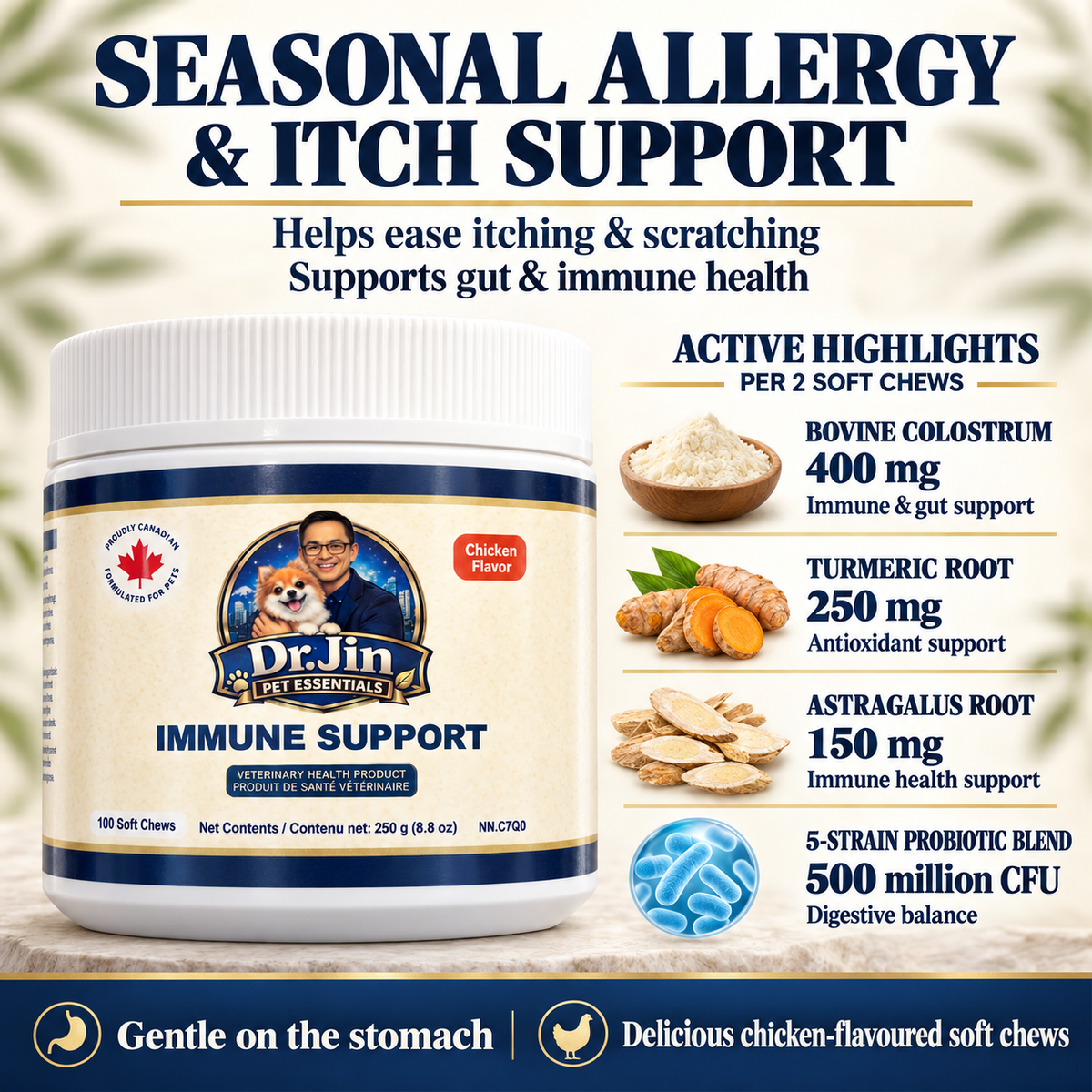
That practical, benefit-first mindset is what makes products like Dr. Jin Pet Essentials hip and joint chews appealing to everyday dog owners. The goal is not to turn pet wellness into homework. It is to make mobility support easy enough to stick with.
How to build joint support into a real routine
The simplest routine is often the one that lasts. Give the chew at the same time each day, such as with breakfast or dinner. If your dog is suspicious of supplements, treating it like a reward instead of a medical moment can help.
Consistency matters more than perfection. Missing a day is not a disaster, but long gaps make it harder to judge whether the product is helping. A chew that fits naturally into mealtime is usually easier to maintain than one that feels like an extra task.
If your dog has sudden limping, significant pain, or a major change in movement, that is a different situation. A supplement can support wellness, but sudden symptoms deserve prompt veterinary attention.
The right MSM dog joint chews should make daily care feel simpler, not more confusing. If the formula is clear, the serving is easy, and your dog actually wants to eat it, you are already much closer to a routine that can support better movement over time. Sometimes the best health choice is the one your dog will happily take tomorrow, too.