







A dog who used to pop up for breakfast but now pauses before standing is telling you something. The change can be subtle: a slower walk after a nap, a skipped jump onto the couch, or a few stiff steps that disappear once they get moving. Learning how to spot dog stiffness early gives you a better chance to adjust their routine, support everyday mobility, and know when it is time to call the veterinarian.
Stiffness is not always dramatic, and it is not limited to senior dogs. A busy weekend, a slippery floor, an old injury, body weight, breed, and normal wear on the joints can all affect how freely a dog moves. The goal is not to diagnose the cause at home. It is to notice a pattern before your dog has to work around discomfort every day.
What Dog Stiffness Can Look Like at Home
Dogs cannot explain that their hips, knees, back, or shoulders feel tight. Instead, they often change the way they move or the choices they make. A single awkward step may mean very little, especially after a long hike or energetic play session. Repeated changes are more meaningful.
Watch your dog during ordinary moments, not only on walks. Notice how they get up from their bed, turn around in a tight space, climb stairs, get into the car, and settle down for the night. These familiar movements make it easier to see what has changed.
Common signs include moving slowly after rest, taking shorter strides, or looking a little wobbly for the first few minutes of the day. Your dog may hesitate at stairs, need a second try to jump up, or choose to stay on the floor rather than join you on the sofa. Some dogs shift their weight away from one leg, sit with a leg held out to the side, or take wider turns instead of pivoting smoothly.
Behavior can change, too. A dog who is stiff may be less interested in fetch, avoid rough play with other dogs, or seem grumpy when touched around a sore area. That does not mean they are being difficult. It can be their quiet way of protecting a movement that no longer feels easy.
How to Spot Dog Stiffness Versus Normal Tiredness
After a new trail, a long beach day, or an enthusiastic playdate, even a healthy dog may move more slowly. Normal fatigue usually improves with rest and does not keep showing up in the same situation. Stiffness deserves more attention when it returns after naps, is worse in the morning, or becomes part of your dog’s everyday routine.
Try to look for consistency. If your dog is slow to rise three mornings in one week, hesitates at the same set of stairs, or repeatedly avoids jumping into the car, write it down. A short phone video of their walk, especially when they first stand up, can also be helpful. Dogs sometimes move more normally at the veterinary clinic because they are excited or alert, so video gives your vet a more realistic view of what you see at home.
Weather may play a role for some dogs. Cold or damp days can make existing joint discomfort more noticeable, while a warm-up walk may help them loosen up. Still, weather should not be used to explain away a persistent mobility change. If stiffness is becoming more frequent or lasting longer, it is worth discussing.
Check the Small Changes That Are Easy to Miss
Many pet parents expect a limp, but stiffness often arrives first as a collection of smaller clues. Compare your dog to their own normal rather than to another dog of the same age or breed. A small dog who once raced across the room may show stiffness by taking a careful hop off a low bed. A large dog may lean on you when standing or pause at the top of the stairs.
Pay attention to these changes over a week or two:
- More time needed to stand after lying down
- Reluctance to jump, climb, run, or play as usual
- Stiff or shortened steps, particularly after rest
- Licking, chewing, or sensitivity around a joint or limb
- Trouble getting comfortable, frequent repositioning, or nighttime restlessness
- A new limp, toe dragging, knuckling, or uneven weight-bearing
When Stiffness Needs a Veterinary Visit
Call your veterinarian promptly if your dog cannot bear weight on a leg, cries out in pain, has swelling or heat around a joint, seems weak, falls, drags a foot, or has trouble standing. Sudden stiffness after a fall, collision, or intense activity also deserves an assessment. Do not give human pain medication unless your veterinarian specifically directs you to do so. Many common medications can be dangerous for dogs.
For less urgent changes, schedule a visit if stiffness lasts more than a few days, keeps returning, or limits activities your dog normally enjoys. Your veterinarian can examine your dog’s gait, joints, muscles, and spine, then recommend the next step. That may involve rest, weight management, rehabilitation, testing, medication, or a mobility-support plan based on your dog’s age, size, health history, and lifestyle.
Early attention matters because dogs are experts at adapting. They may stop asking to play, stop jumping, or quietly avoid painful movements long before their discomfort looks severe. A professional evaluation helps separate temporary soreness from a problem that needs treatment.
Everyday Ways to Support Comfortable Movement
Once your vet has ruled out urgent concerns, small daily adjustments can make movement easier. Keep activity regular and appropriate rather than saving all the exercise for one big weekend outing. Several calm walks can be gentler than a single long, high-impact session, particularly for older dogs or dogs already showing mobility changes.
At home, add traction where your dog frequently walks. Rugs or nonslip runners can help on slick floors, while a ramp or sturdy steps may reduce repeated jumping on and off furniture. Use a supportive bed in an easy-to-reach spot, and keep food, water, and favorite resting areas accessible. For small dogs, lifting them in and out of the car can prevent a hard landing.
Body weight is another practical piece of the mobility picture. Even a small amount of extra weight adds work for joints with every step. Your veterinarian can help you choose a healthy target and a realistic feeding plan. This is not about making food less enjoyable. It is about protecting your dog’s ability to move comfortably for years to come.
Where Joint Supplements Fit In
Joint supplements can be a convenient part of an everyday wellness routine, but they are not a substitute for veterinary care when your dog is painful or suddenly lame. Look for formulas made for canine mobility support with recognizable ingredients such as glucosamine, chondroitin, MSM, and collagen. These ingredients are commonly included to support joint structure and comfortable movement over time.
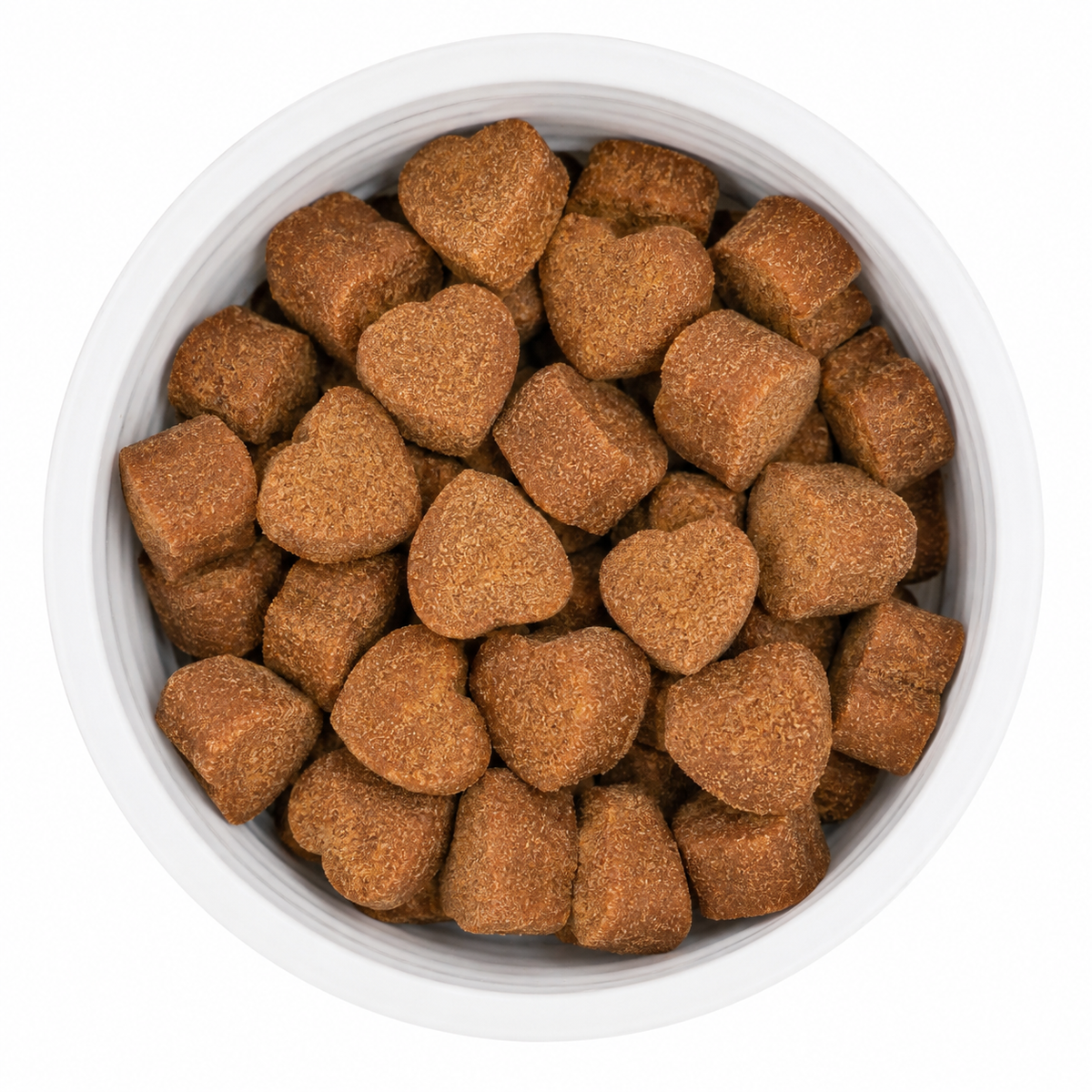
Consistency matters more than a one-time serving. Chews are often an easy option for dogs who see them as a treat, while a powder or meal topper may suit picky eaters when it adds flavor at mealtime. Dr. Jin Pet Essentials Hip and Joint Chews are designed to make that daily routine simple, with mobility-focused ingredients in a convenient chew format.
Results vary by dog, and supplements tend to work best alongside the basics: appropriate movement, a healthy weight, safe footing, and veterinary guidance. Before adding any supplement, especially if your dog takes medication or has a medical condition, check with your veterinarian.
Keep a Simple Mobility Baseline
You do not need a complicated tracking system. Once a month, take a quick video of your dog walking toward and away from you, rising from their bed, and taking a few steps after rest. Make a mental note of their favorite activities: stairs, couch jumps, car rides, neighborhood walks, or a game of tug.
That baseline turns vague concern into useful information. If your dog begins pausing where they once moved confidently, you will be able to respond with care instead of guessing. The best time to support comfortable movement is often when your dog is still happily doing the things they love, just a little more slowly than before.