






A tiny mouth can make dental care feel surprisingly complicated. Small dogs often have crowded teeth, sensitive gums, and very strong opinions about anything near their face. But learning how to brush small dog teeth does not have to turn into a daily wrestling match. With the right brush, a gentle approach, and a few minutes of practice, you can build a routine that supports cleaner teeth and fresher breath.
The goal is progress, not perfection. Even a short, calm brushing session is more useful than forcing a full routine that makes your dog anxious the next time you reach for the toothbrush.
Why small dogs need regular dental care
Small and extra-small dogs can be more prone to plaque and tartar buildup because their teeth sit close together. Food particles and bacteria can settle in those tight spaces, especially along the gumline and on the back teeth. Over time, buildup may contribute to bad breath, visible tartar, gum irritation, and discomfort.
Brushing is one of the most direct ways to remove soft plaque before it hardens into tartar. It works best as part of a realistic daily wellness routine, alongside veterinary dental checkups and products that support oral care between brushings.
If your dog already has heavy brown tartar, red or bleeding gums, loose teeth, swelling, difficulty eating, or suddenly foul breath, schedule a veterinary visit. Home brushing is valuable preventive care, but it cannot remove hardened buildup or treat dental disease.
What you need before brushing your small dog's teeth
Keep the setup simple. A small, soft-bristled dog toothbrush or a finger brush is usually easiest to control in a little mouth. A brush with a compact head can reach the molars without stretching your dog's lips too far.
Use toothpaste made specifically for dogs. Human toothpaste is not safe for dogs to swallow and should never be used in place of pet toothpaste. Dog toothpaste is designed to be swallowed in small amounts and often comes in appealing flavors, which can make training much easier.
Have a few tiny, high-value treats ready, too. For many small dogs, a pea-sized treat is plenty. The reward is not a bribe. It is a clear way to teach your dog that calm cooperation leads to something good.
How to brush small dog teeth step by step
Start with touch, not toothpaste
For the first day or two, skip the brush entirely. Sit with your dog in a quiet spot when they are already relaxed, such as after a walk or during an evening cuddle. Gently lift one lip, touch the outside of a tooth for a second, then offer praise and a treat.
Repeat on both sides, keeping the session short. If your dog pulls away, let them. Trying to hold their mouth open or pin them in place can make the process harder over time. You are building comfort with handling first.
Let your dog taste the toothpaste
Place a small amount of dog toothpaste on your fingertip and let your dog lick it. If they enjoy the flavor, they are more likely to accept the brush later. Then rub a little toothpaste along the outside of a few front teeth.
Most dogs do not need their mouths opened wide for routine brushing. The outer surfaces are the priority because that is where plaque commonly collects. Focus on what you can reach comfortably instead of trying to brush every surface on day one.
Introduce the brush gradually
Add a small amount of toothpaste to the brush. Lift your dog's lip and hold the brush at roughly a 45-degree angle toward the gumline. Use tiny, gentle circles or short back-and-forth strokes, starting with the canine teeth and front teeth.
Work for just five to 10 seconds, then stop and reward. Over several sessions, slowly extend the time and move toward the back teeth. Those back molars often collect the most buildup, so they deserve extra attention once your dog is comfortable.
Aim for consistency over a long session
Ideally, brush your dog's teeth every day. Daily brushing offers the best opportunity to disrupt plaque before it can harden. If daily brushing is not realistic at first, aim for several sessions a week and keep practicing. A routine you can maintain is more helpful than an ambitious plan that disappears after a few days.
For a small dog, the full process may take less than two minutes once it becomes familiar. Choose a consistent cue, such as saying "teeth time," and follow brushing with the same calm praise or small reward. Predictability helps your dog understand what is happening.
Positioning tips for tiny dogs
Good positioning can make a major difference. Many small dogs feel safest sitting on a non-slip mat on the floor, while others relax more on your lap with their back against your body. Avoid placing a nervous dog on a high counter or surface where they could jump or fall.
Rather than facing your dog head-on, sit beside or slightly behind them. This gives you a better view of the side teeth and feels less confrontational. Support the chin lightly if needed, but avoid gripping the muzzle. A soft hand, a lifted lip, and a short brushing session are usually enough.
If your dog squirms, lower the difficulty. Brush only one side that day, use your finger instead of a brush, or practice touching the lips without brushing. Small wins count. Pushing through stress can teach your dog to avoid future dental care.
Common mistakes that make brushing harder
The most common mistake is trying to do too much too soon. A dog that has never had its mouth handled may need several days, or even a few weeks, to accept brushing. That is normal, especially for adult rescues or dogs with previous mouth sensitivity.
Another mistake is brushing too hard. You are removing soft plaque, not scrubbing a pan. Gentle contact at the gumline is enough. Aggressive brushing can irritate the gums and make your dog dislike the experience.
It also helps to avoid brushing immediately after an exciting meal, play session, or doorbell chaos. Pick a quiet moment when your dog is settled. If your dog seems painful when you touch the mouth, do not keep practicing through it. A veterinarian should rule out a dental problem first.
Make dental care easier between brushings
Brushing remains the gold standard for at-home plaque control, but supportive habits can make the routine more manageable. Dental chews, appropriately sized for your dog, can provide chewing action between brushings. Always supervise, and choose products that match your dog's size and chewing style.
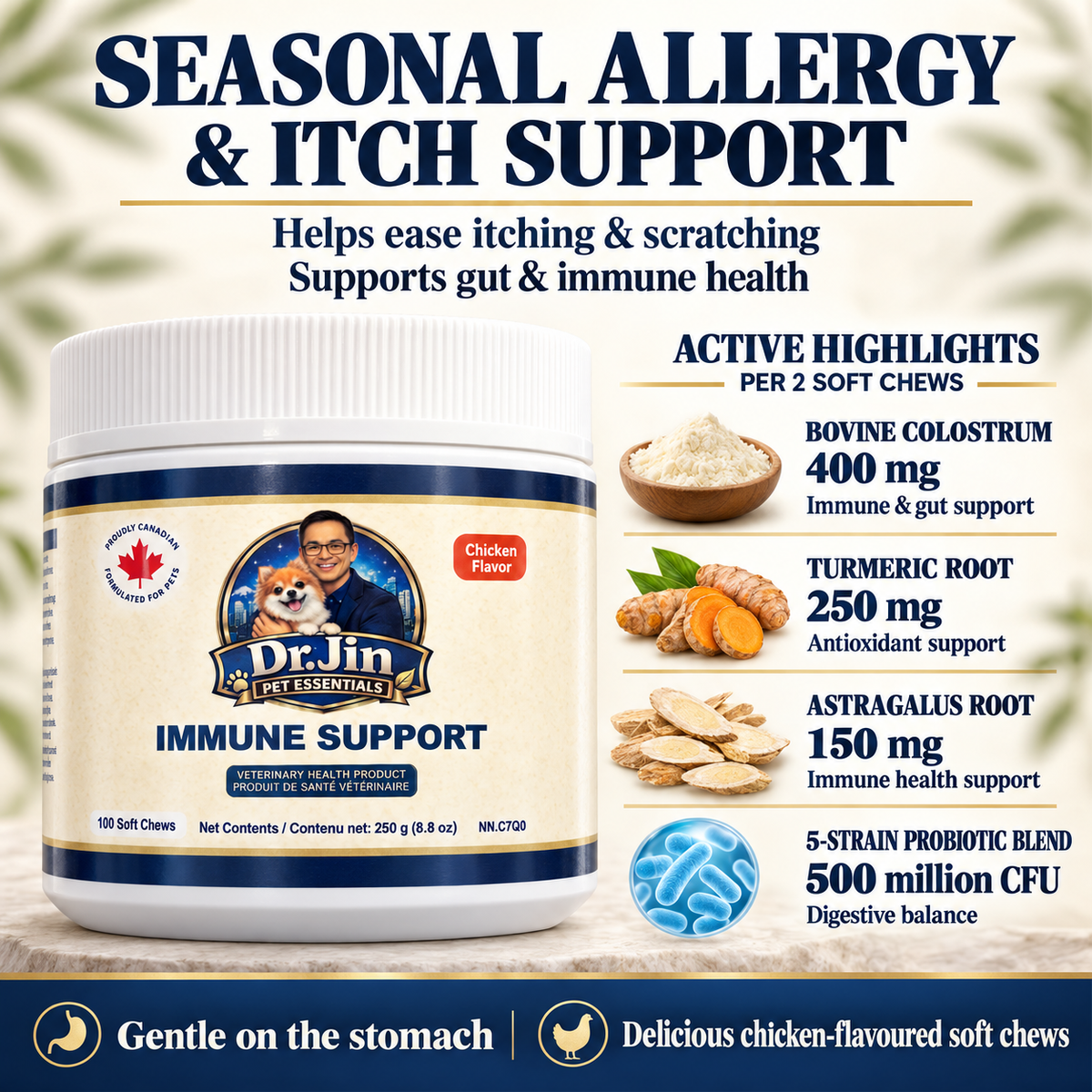
A daily dental powder can also be a convenient addition for pet parents who want oral care to fit into mealtime. Dr. Jin Pet Essentials Dental Powder is designed to support fresher breath and help address tartar as part of an everyday feeding routine. It is a helpful complement to brushing, not a replacement for hands-on cleaning or professional dental care.
Fresh water, balanced nutrition, and regular checkups all play a role as well. If your dog eats mostly soft food, brushing may be especially useful because soft food does not provide much mechanical cleaning for the teeth.
When to call the veterinarian
Bad breath that lingers despite regular care is not something to simply cover up. Contact your veterinarian if you notice bleeding gums, excessive drooling, pawing at the mouth, tooth discoloration, reduced appetite, dropping food, facial swelling, or a sudden reluctance to chew.
Routine veterinary exams can identify concerns that are easy to miss at home, particularly in the crowded mouths of small breeds. Your vet can also advise whether your dog needs a professional dental cleaning and give guidance tailored to their age, health history, and mouth condition.
A toothbrush may never become your small dog's favorite object, and that is okay. Keep the pace gentle, celebrate cooperation, and make dental care one small part of the everyday attention that helps your dog feel their best.