





A salmon oil review should answer more than one question: does your pet need it, and is the bottle in your cart worth bringing home? For many dogs and cats, salmon oil is an easy way to add omega-3 fatty acids to the daily bowl. But quality, freshness, serving size, and your pet’s individual needs make a real difference.
A good salmon oil can support skin, coat, joints, and overall wellness. The wrong fit can mean a picky pet, a messy pump, extra calories, or digestive upset. Here is what to look for before making salmon oil part of your pet’s routine.
What Salmon Oil Can Do for Dogs and Cats
Salmon oil is valued for its omega-3 fatty acids, especially EPA and DHA. These are the fats pet parents usually have in mind when they want to support dry skin, seasonal itchiness, a dull coat, or comfortable movement. Omega-3s also support normal inflammatory processes throughout the body, making them a popular addition for senior pets and active dogs.
The most visible change may be a softer, shinier coat. That can be a welcome benefit, especially for pets whose skin seems dry or whose coat lacks its usual luster. Still, salmon oil is not a quick fix for every skin concern. Fleas, food sensitivities, environmental triggers, infections, and grooming habits can all affect the skin and coat. Persistent itching, hot spots, hair loss, or ear issues deserve veterinary guidance rather than another pump of oil.
For cats, the flavor can be a major advantage. Many cats enjoy fish-forward toppers, which can make mealtime more appealing. For dogs, salmon oil often works well stirred into kibble, wet food, or a bone broth topper. The best supplement is the one your pet will eat consistently and comfortably.
Salmon Oil Review: What Makes One Worth Buying?
Not every fish oil product delivers the same experience. When comparing options, start with the label rather than the front-of-bottle promises.
Look for EPA and DHA amounts
“Contains omega-3s” is helpful, but it does not tell you how much EPA and DHA your pet receives in a serving. A quality label clearly lists these fatty acids, ideally with the amount per pump or teaspoon. That gives you and your veterinarian a practical way to assess whether the serving fits your pet’s size and wellness goals.
Total fish oil volume can sound impressive, but EPA and DHA are the numbers that make comparison easier. If a label only lists “salmon oil” without a fatty acid breakdown, it is harder to know what you are getting.
Freshness matters more than flashy packaging
Fish oil naturally has a distinct marine scent. It should not smell sharply rancid, sour, or overwhelmingly stale. Oxidized oil is less appealing to pets and is not what you want to serve every day.
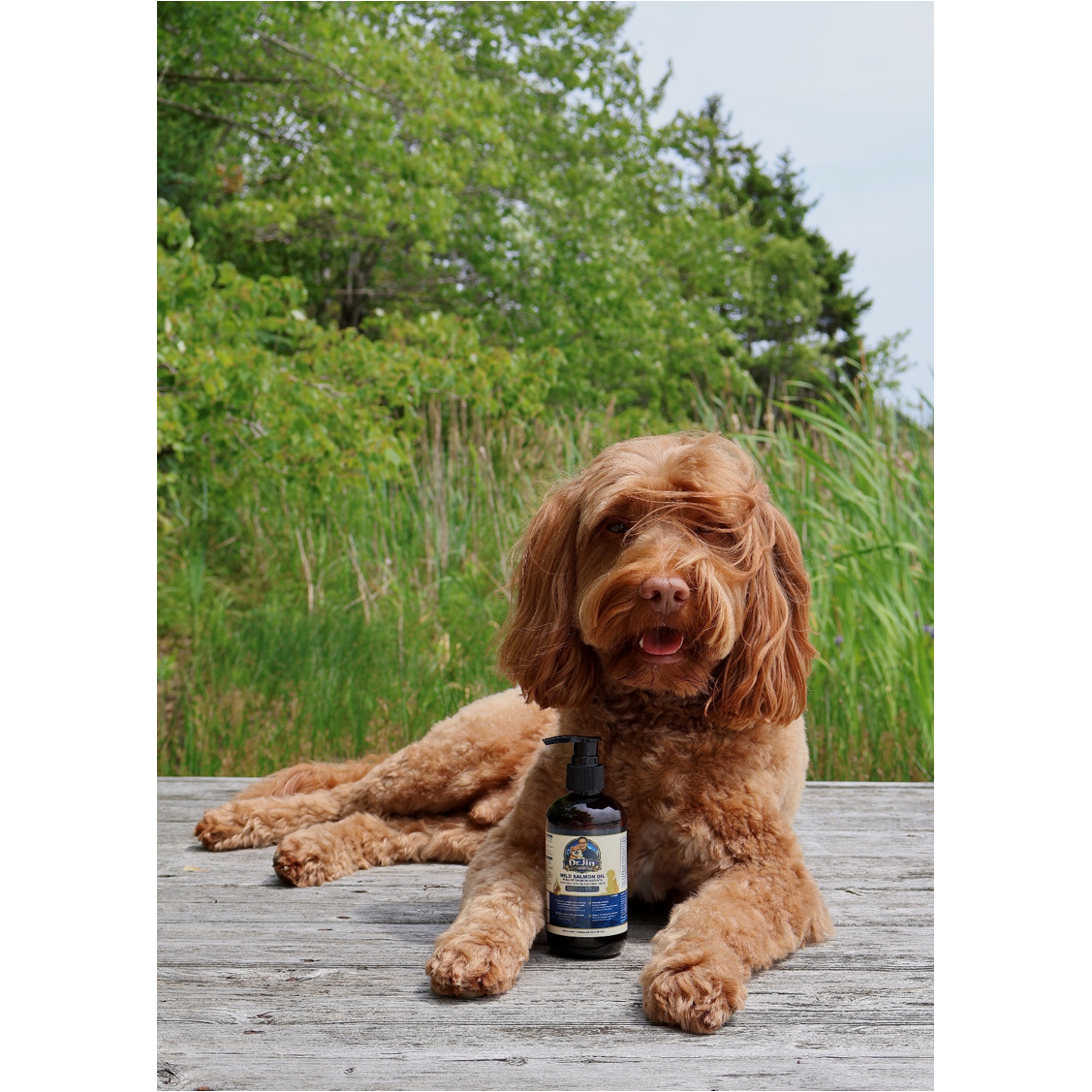
Choose a product in packaging designed to limit exposure to air and light. A dark bottle and a dependable pump are useful features, especially for households that use the oil slowly. Check the best-by date before purchasing, keep the cap secure, and follow the storage directions on the label. Some oils are best refrigerated after opening, while others are formulated for pantry storage.
Favor clear sourcing and simple formulas
A straightforward salmon oil should not need a long list of unnecessary extras. Clear sourcing information and transparent ingredient details help you make a more confident choice. If your dog or cat has known food sensitivities, review every ingredient, including flavorings and preservatives.
A product labeled specifically for pets is generally simpler to dose than a human supplement. Human fish oil capsules may contain added ingredients or provide a concentration that is inconvenient for small pets. A liquid pet formula lets you adjust the amount more easily, especially for cats and small dogs.
The dispenser is part of the product
This may seem minor until you are wiping oil off the counter for the third time. A pump that delivers a consistent amount makes daily use faster and helps avoid accidental overfeeding. If you prefer a bottle without a pump, use a clean measuring spoon and close the bottle promptly.
Is Salmon Oil a Good Fit for Your Pet?
Salmon oil can be a practical daily wellness add-on, but it is not essential for every pet. Pets already eating a complete diet with adequate omega-3s may not need more. Others may benefit from the added support, particularly if they have dry-looking skin, a lackluster coat, or age-related mobility needs.
It also depends on the rest of the bowl. Oil adds calories, so portions matter for pets working toward a healthy weight. This is especially relevant for small dogs and indoor cats, where even a small daily extra can add up over time. Treat salmon oil as part of the total feeding plan, not a free bonus.
Talk with your veterinarian before using salmon oil if your pet has a history of pancreatitis, digestive disease, bleeding concerns, a fish allergy, or a medical condition that requires a tightly managed diet. Pets taking medication should also get individualized advice. A supplement can be useful, but it should fit the full health picture.
How to Start Salmon Oil Without Upsetting the Stomach
The easiest mistake is starting at the full label serving on day one. Fish oil is rich, and some pets need time to adjust. Begin with a small amount mixed thoroughly into food, then increase gradually over several days if your pet is doing well.
Watch for loose stool, vomiting, excess gas, reduced appetite, or unusual scratching. A little fishy breath may happen, but ongoing digestive discomfort is a reason to pause. In many cases, a smaller amount or a slower introduction is enough. If signs are significant or continue, stop using the product and contact your veterinarian.
Consistency is more useful than a large serving now and then. Adding the oil at the same meal each day makes it easier to remember and gives you a clearer sense of how your pet responds. For multi-pet homes, serve meals separately so one enthusiastic eater does not get everyone else’s portion.
Salmon Oil vs. Other Daily Wellness Add-Ons
Salmon oil has a focused role: it is primarily an omega-3 source. It pairs naturally with other benefit-driven routines, but it does not replace them. A dental powder may help support fresher breath and a cleaner-feeling mouth, while a joint chew can provide ingredients such as glucosamine, chondroitin, MSM, and collagen for targeted mobility support. A nutritious meal topper can bring added flavor and feeding excitement.
Combining products can make sense when each product has a distinct purpose. The trade-off is that more supplements mean more calories, more ingredients, and more variables if your pet develops a reaction. Add one product at a time whenever possible. That simple habit makes it easier to identify what is working and what is not.
A Practical Buying Checklist
Before choosing a bottle, make sure it has these basics:
- Clearly listed EPA and DHA amounts per serving
- A pet-appropriate serving guide based on body weight
- Freshness-conscious packaging and a visible best-by date
- Transparent ingredients and sourcing information
- Storage instructions you can realistically follow
A salmon oil routine works best when it feels easy: one measured pump, mixed into a meal your pet already enjoys, with no fuss and no guesswork. Start small, pay attention to the bowl and the litter box, and let your pet’s comfort guide the pace.