






A slower rise from the dog bed, a pause before the stairs, or less enthusiasm for a favorite game of fetch can be easy to dismiss as “just getting older.” But these small changes can be worth a closer look. The question, “when do dogs need chondroitin?” often comes up when pet parents want to support comfortable movement before joint stiffness begins to affect daily life.
Chondroitin is a well-known joint-support ingredient, often paired with glucosamine, MSM, and collagen in canine mobility supplements. It is not a cure for arthritis or a substitute for veterinary care. Instead, it can be a practical daily addition for dogs who may benefit from extra support for their cartilage, joints, and active lifestyle.
When Do Dogs Need Chondroitin?
Dogs may need chondroitin when their age, size, breed, activity level, or existing joint concerns put added pressure on their joints. Some dogs start showing signs of reduced mobility as they get older, while others can benefit from proactive support long before they appear stiff.
There is no single birthday when every dog should begin a joint supplement. A young, healthy toy breed who spends most of the day indoors has different needs than a large, energetic dog who runs, jumps, hikes, or plays hard every weekend. The right time depends on your dog’s individual routine and risk factors.
Chondroitin is commonly used as part of a long-term wellness plan because joint tissue changes gradually. It is generally not an overnight fix for soreness after one busy day. Consistent daily use is usually the most sensible approach when your veterinarian agrees that a joint supplement is appropriate.
Dogs Most Likely to Benefit From Joint Support
Senior dogs are often the first group pet parents think about. As dogs age, the cushioning structures in their joints can become less resilient. A dog who once bounced up from the floor may stretch first, move more carefully, or prefer a shorter walk. These changes do not automatically mean a dog is in pain, but they are good reasons to pay attention to joint comfort.
Large and giant breeds may also benefit from earlier mobility support. Bigger bodies place more load on hips, knees, elbows, and shoulders over time. Breeds with a history of hip or elbow concerns can be especially worth discussing with a veterinarian, even when they are still young and active.
Highly active dogs are another group to consider. Agility dogs, hunting dogs, trail companions, and dogs who love to chase, jump, and sprint can place repetitive demands on their joints. Daily support may make sense for these dogs as part of a broader routine that includes appropriate exercise, rest days, and a healthy body weight.
Small dogs deserve attention, too. Little dogs may not carry the same joint load as large breeds, but they can still develop mobility issues. Frequent jumping on and off furniture, awkward landings, and kneecap concerns can affect comfort. For a small dog, a sudden reluctance to jump onto the couch can be just as meaningful as a large dog struggling with stairs.
Dogs carrying extra weight may also need additional support. Even a few extra pounds can increase strain on joints, particularly in smaller dogs. A supplement can be a helpful addition, but it works best alongside portion awareness, balanced meals, and veterinarian-guided weight management when needed.
Signs Your Dog May Need Chondroitin
Dogs are good at adapting, which means joint discomfort can be subtle at first. Rather than waiting for a major change, look for patterns that repeat over days or weeks.
Common changes include moving slowly after resting, taking longer to settle into a comfortable position, hesitating before stairs or jumping, and losing interest in longer walks or play. Some dogs may limp after activity, lag behind on familiar routes, or seem less willing to be touched around their hips or legs. Others become quieter, more irritable, or less social because being active no longer feels as easy.
These signs are not specific to joint aging. A limp, sudden yelp, swelling, weakness, or a sharp change in behavior can point to an injury or another health issue that deserves prompt veterinary attention. Do not assume a supplement alone will address a sudden or severe mobility problem.
For mild, gradual changes, chondroitin can be one part of a thoughtful routine. Keep track of what you notice: when the behavior started, whether it follows exercise, and whether one side of the body seems affected. Those details can help your veterinarian make better recommendations.
What Chondroitin Does for Dogs
Cartilage is the smooth, flexible tissue that helps cushion joints and supports easy movement. Chondroitin is a naturally occurring component of cartilage and is included in many joint formulas to help support cartilage health and joint function.
It is commonly combined with glucosamine because the ingredients are thought to complement one another. Glucosamine is used to support joint structure, while chondroitin is valued for its role in cartilage support. MSM is often included for additional mobility and comfort support, and collagen can support connective tissues. Together, these ingredients offer a straightforward option for pet parents looking for daily hip and joint care.
Results can vary. Some dogs appear more comfortable or willing to move after several weeks of consistent use, while others may show little noticeable change. Age, body condition, activity level, the cause of discomfort, and the specific formula all matter. Think of chondroitin as steady support, not a quick remedy.
How to Choose a Chondroitin Supplement
Start with a product made for dogs and follow its feeding directions based on your dog’s weight. This is particularly important for extra-small dogs, since a chew formulated for a large breed may not be the right serving size for a tiny companion.
Look for a formula that clearly identifies its active ingredients and is easy to give every day. A chew can be convenient for dogs who enjoy treats, while a powder may work well for dogs who prefer their supplement mixed into food. The best option is often the one you can use consistently without turning mealtime into a negotiation.
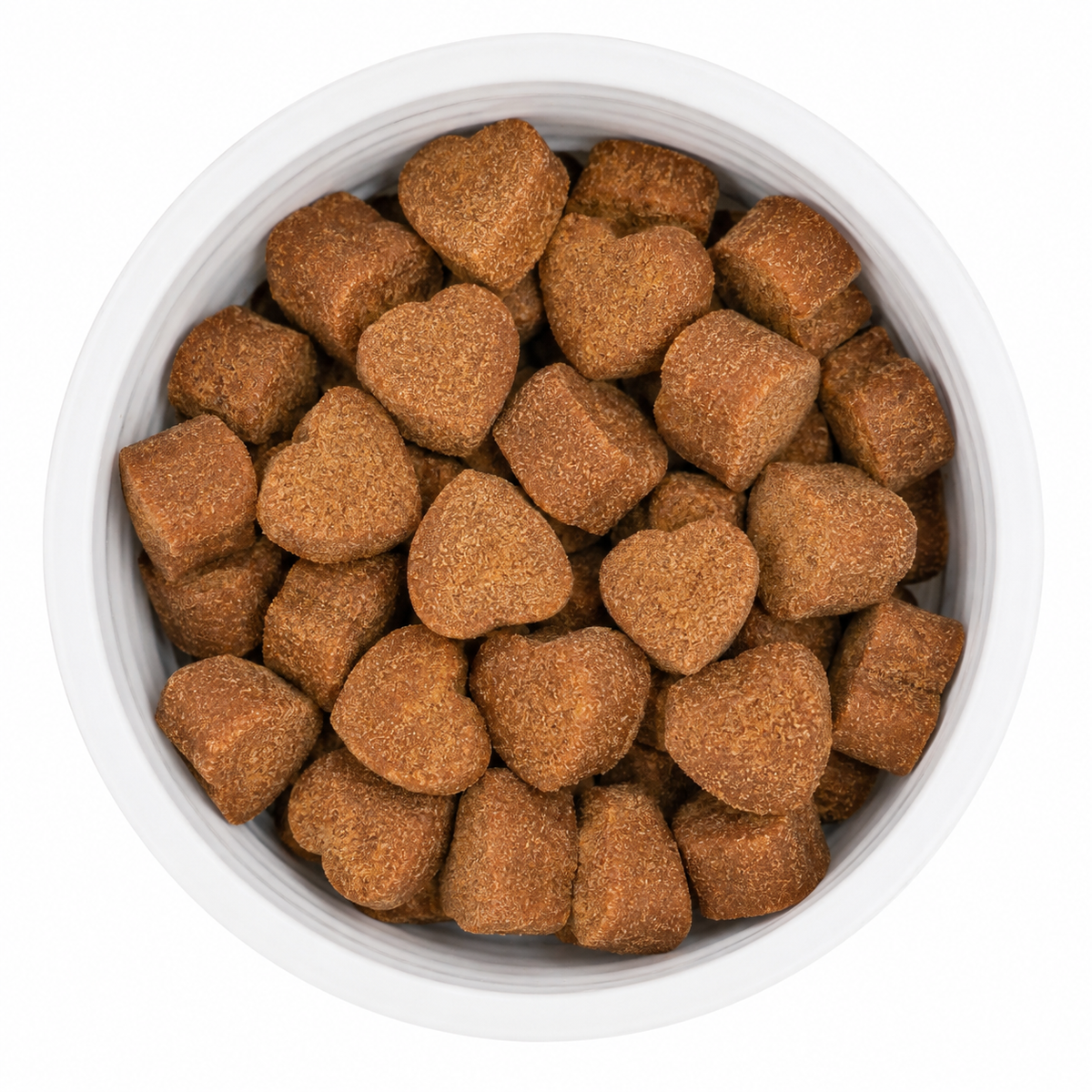
A joint formula that combines glucosamine, chondroitin, MSM, and collagen can simplify your dog’s routine by bringing familiar mobility-support ingredients together in one daily serving. Dr. Jin Pet Essentials Hip and Joint Chews are designed around that practical approach, making it easy to add joint support to a regular feeding routine.
If your dog has allergies, takes medication, has a chronic health condition, or is pregnant or nursing, check with your veterinarian before starting any supplement. You should also ask for guidance if your dog has already been diagnosed with arthritis, since they may benefit from a care plan that goes beyond a daily chew.
Make Joint Care Part of Everyday Wellness
Supplements work best when they support healthy daily habits. Keeping your dog at an appropriate weight is one of the most meaningful things you can do for joint comfort. Regular, low-impact movement such as steady walks, gentle play, and swimming can help many dogs maintain strength without overdoing it.
At home, small changes can help as well. Non-slip rugs can give older dogs more traction on slick floors. A ramp or pet stairs may reduce repeated jumping onto furniture or into the car. Soft, supportive bedding gives tired joints a more comfortable place to rest.
Pay attention to the activities your dog still enjoys. The goal is not to make every dog act like a puppy again. It is to support comfortable movement so they can keep joining you for walks, backyard play, couch cuddles, and the everyday moments that make a healthy routine feel good.